


SANCTUARIES LA EXPLORES THE QUIETER SIDE OF LOS ANGELES THROUGH DESIGN.
ROOTED IN THE BELIEF THAT SANCTUARY EXISTS EVERYWHERE, OFTEN HIDDEN IN PLAIN SIGHT.
IF YOU ENJOY THIS PUBLICATION, CONSIDER SUBSCRIBING OR SHARING IT WITH A FRIEND.
Sael Bartolucci and I met Bradford Craig on the street, which is the only way you ever meet someone like Bradford. We were a few doors down at a Schindler House on a MAK Center tour, and he was just — out there, on the sidewalk, in the middle of his own afternoon. He invited us in before we’d finished introducing ourselves.
We came back a few weeks later with flowers and gifts, to document his life in his Hollywood Hills home. Bradford doesn’t text, so all of the planning happened over the phone. He didn’t understand why I’d want to highlight him. I told him it’s because he’s lived a beautiful life in Hollywood, and I want to honor him, his home, and the eras he’s lived through.
PHOTOGRAPHY BY SHELBY NICO DIAMOND
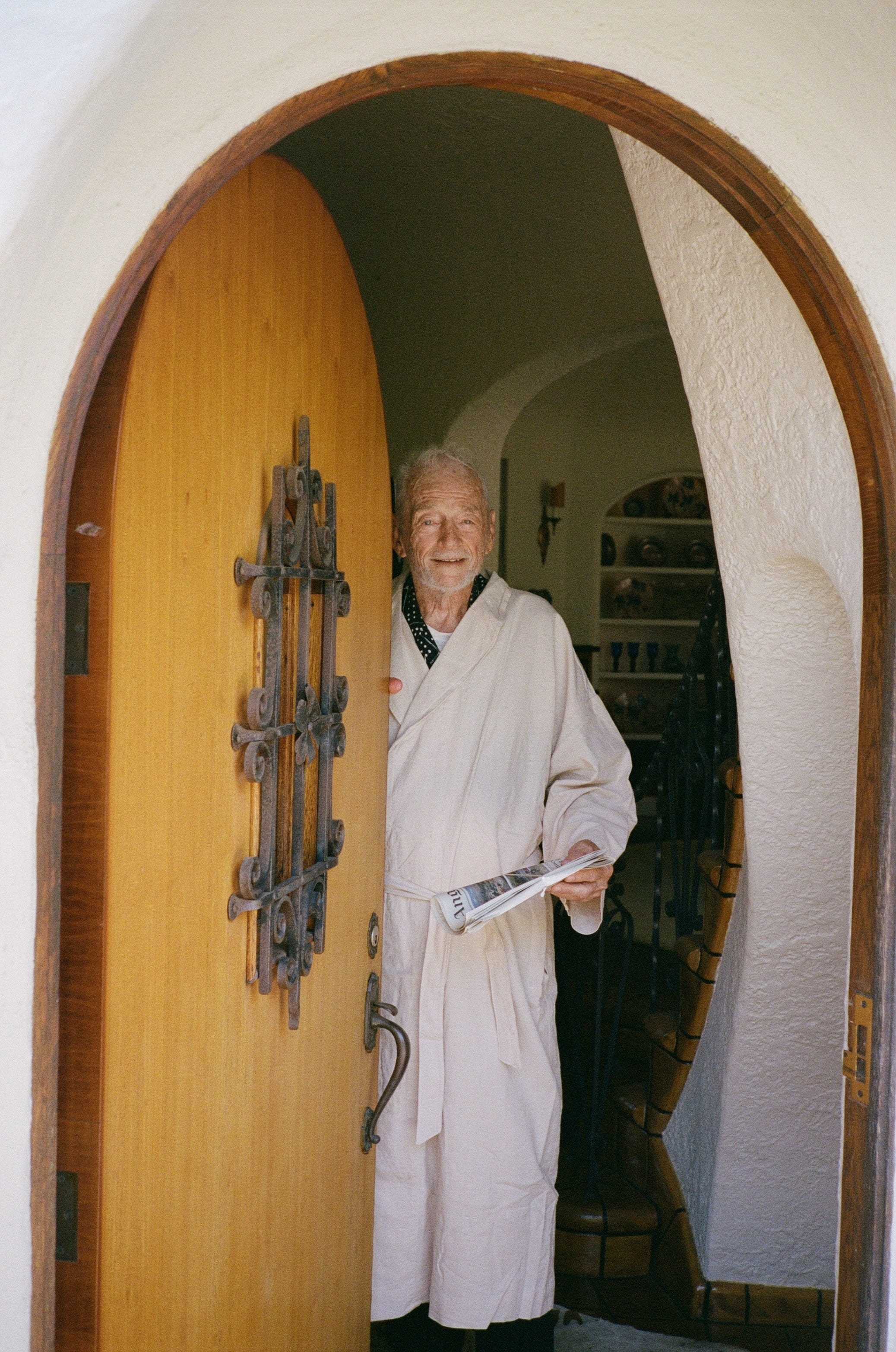
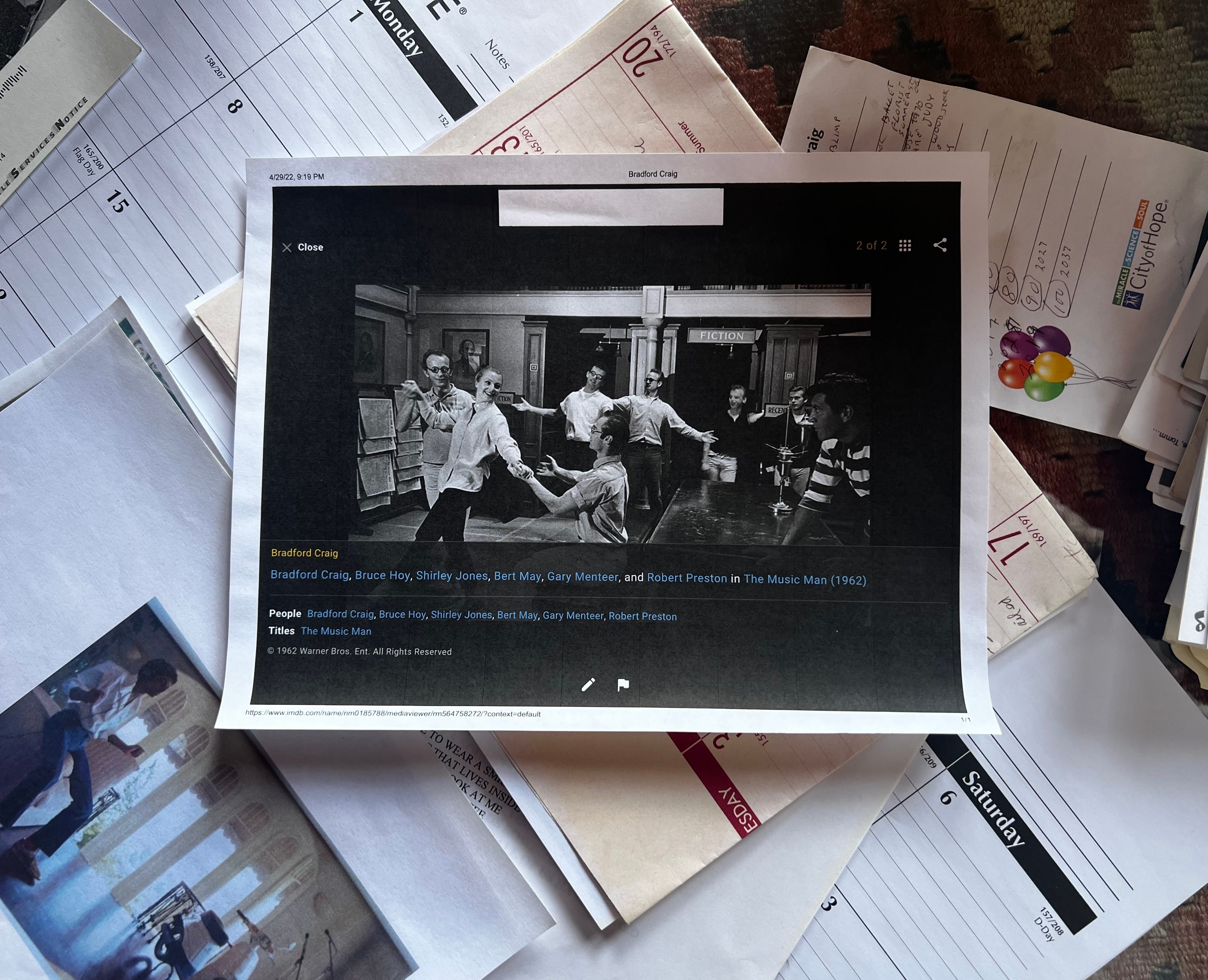
Bradford Craig is 89. He turns 90 next May. He has lived in this house since 1969 and has been living and working in Hollywood for six decades. Before he was a homeowner on this hill he was a dancer — trained in ballet, on stage with Judy Garland, flown across a stage on a wire at the World's Fair. He turns up in Garland's later concert specials alongside a young Liza Minnelli, and has film credits including Honky and Evel Knievel. He even appears singing and dancing in the 1962 classic The Music Man.
Born May 3, 1937, in New Bedford, Massachusetts, he moved to LA in his twenties. Ballet dancer, songwriter, painter — an artist through and through. Then, somewhere along the way, he became the kind of man who's lived in one house so long that the house has basically become a second autobiography.
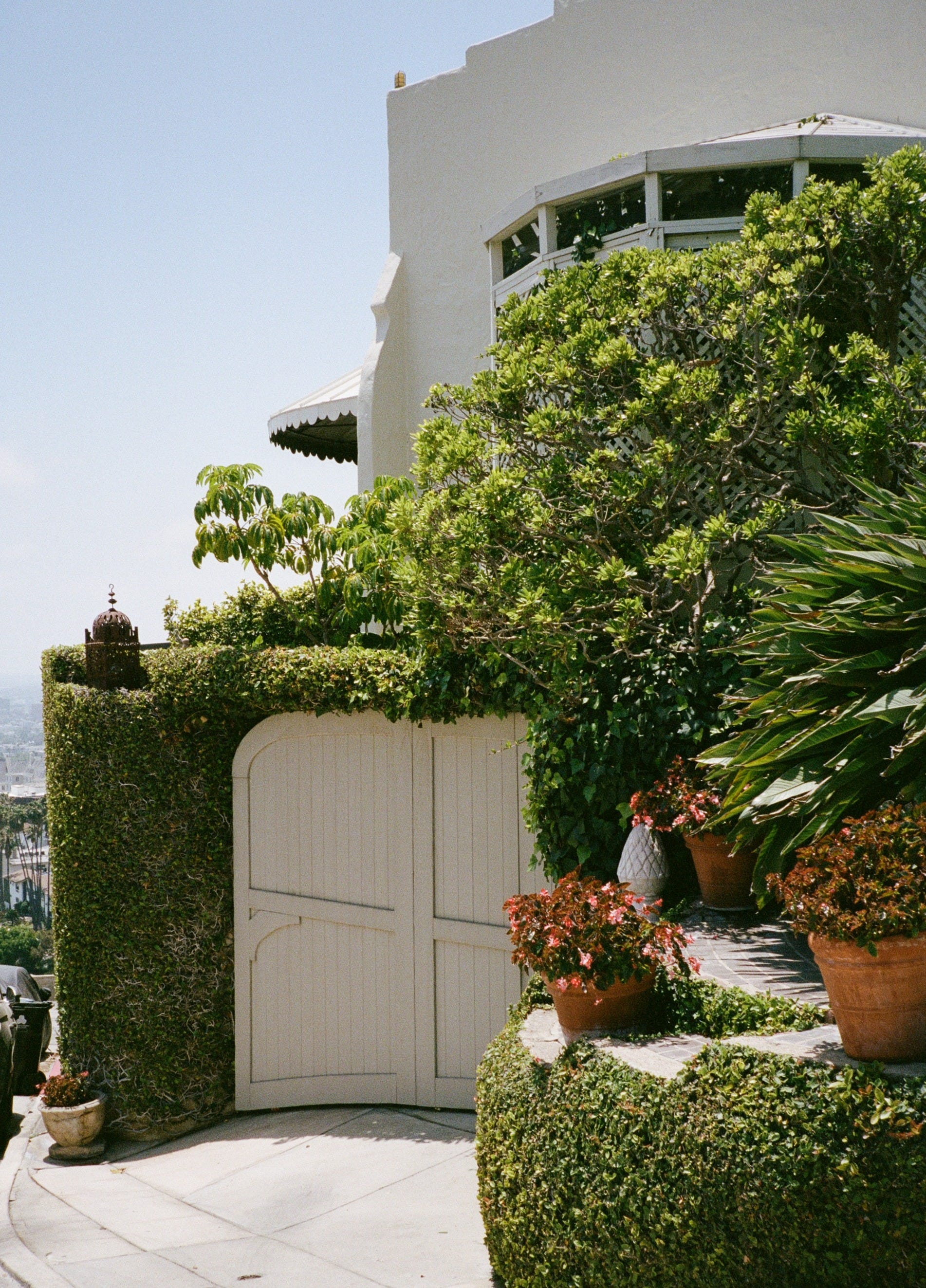
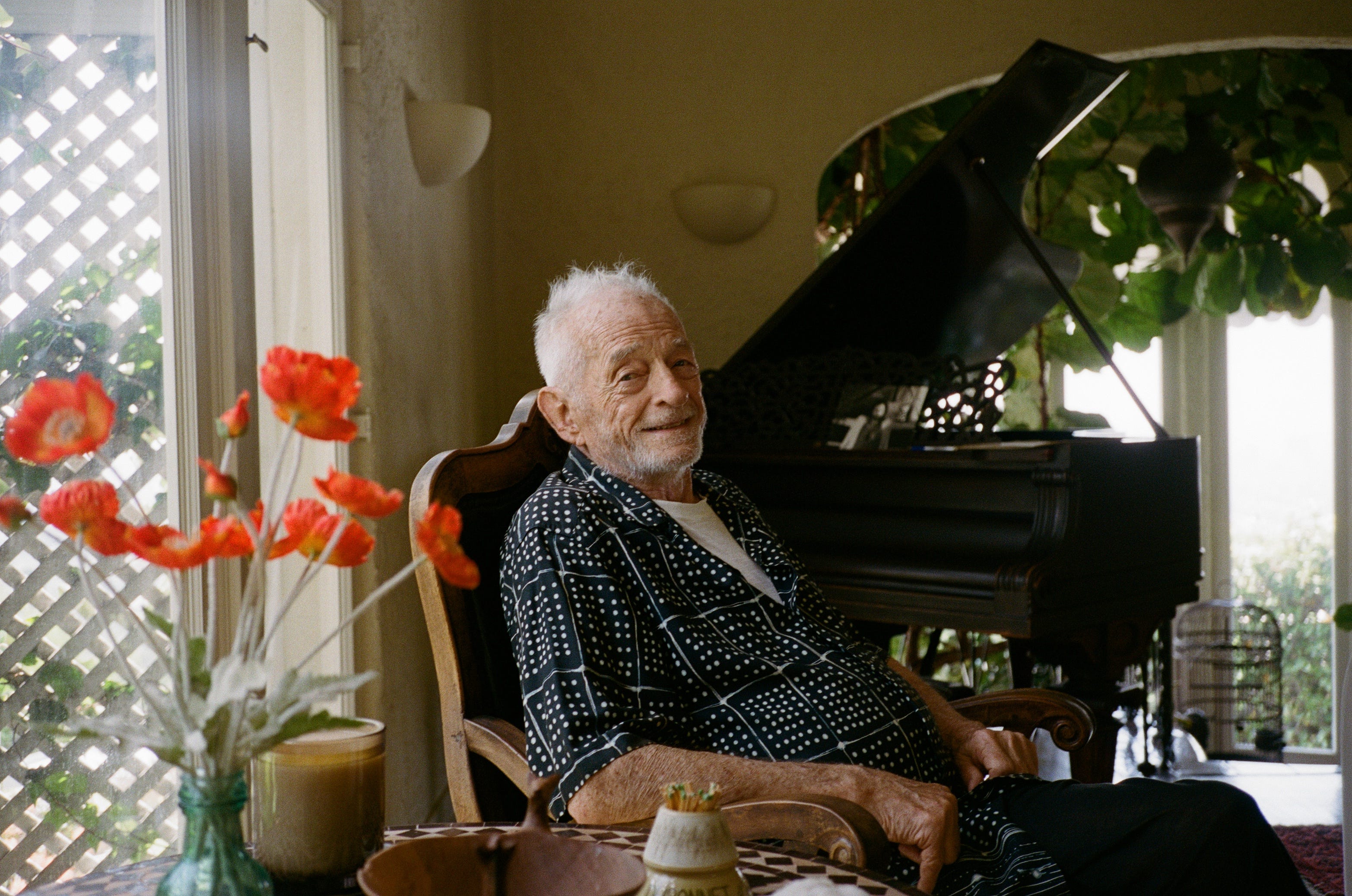
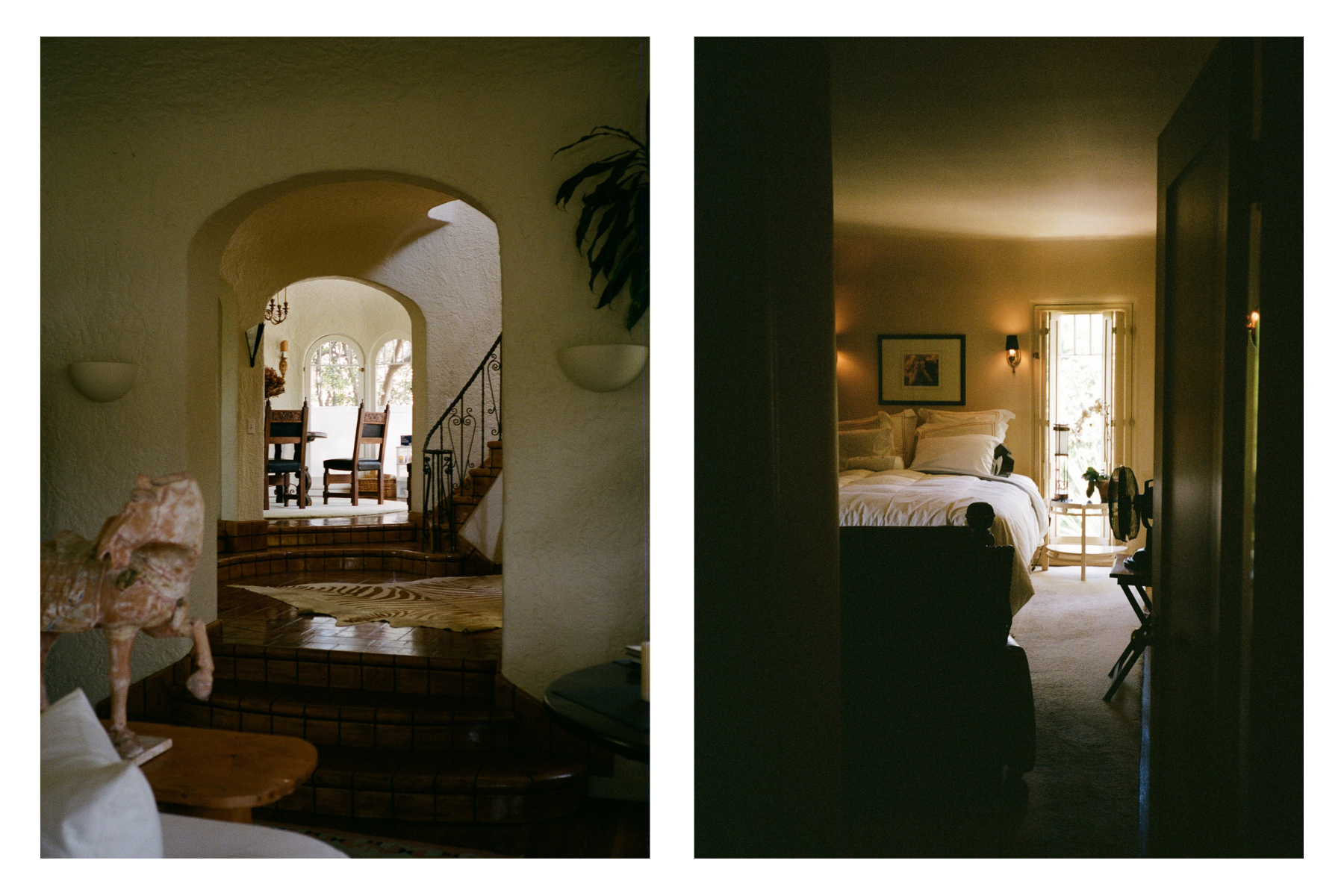
He’s lived in this one since 1969, and before we get to any of the rest of it — the ballet, the songwriting, the paintings, the wire act — you should know how the house came to him, because it explains everything about how he’s held onto it since.
The home was designed for Greta Garbo, and she lived here for some time. Bradford shares, "This house was originally built for Greta Garbo in 1927, I think — 1926 or seven, something like that. That's what the deed says." A silent-era icon, a house built on spec for her glamour, decades before Bradford ever set foot in it — designed by Alfred Frederick Leicht, the architect known for his opulent, theatrical work throughout Hollywood and Los Feliz in that same era.
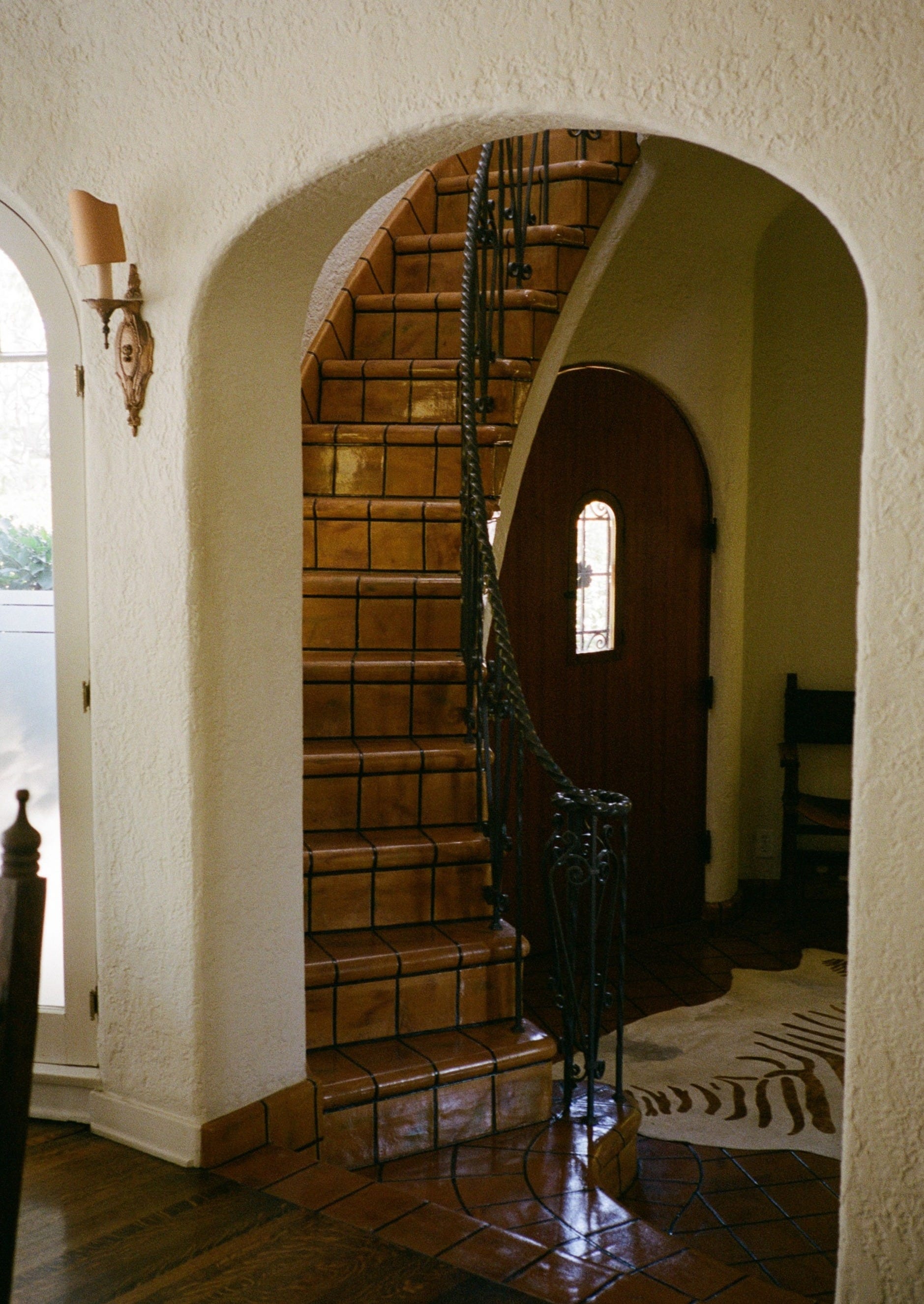
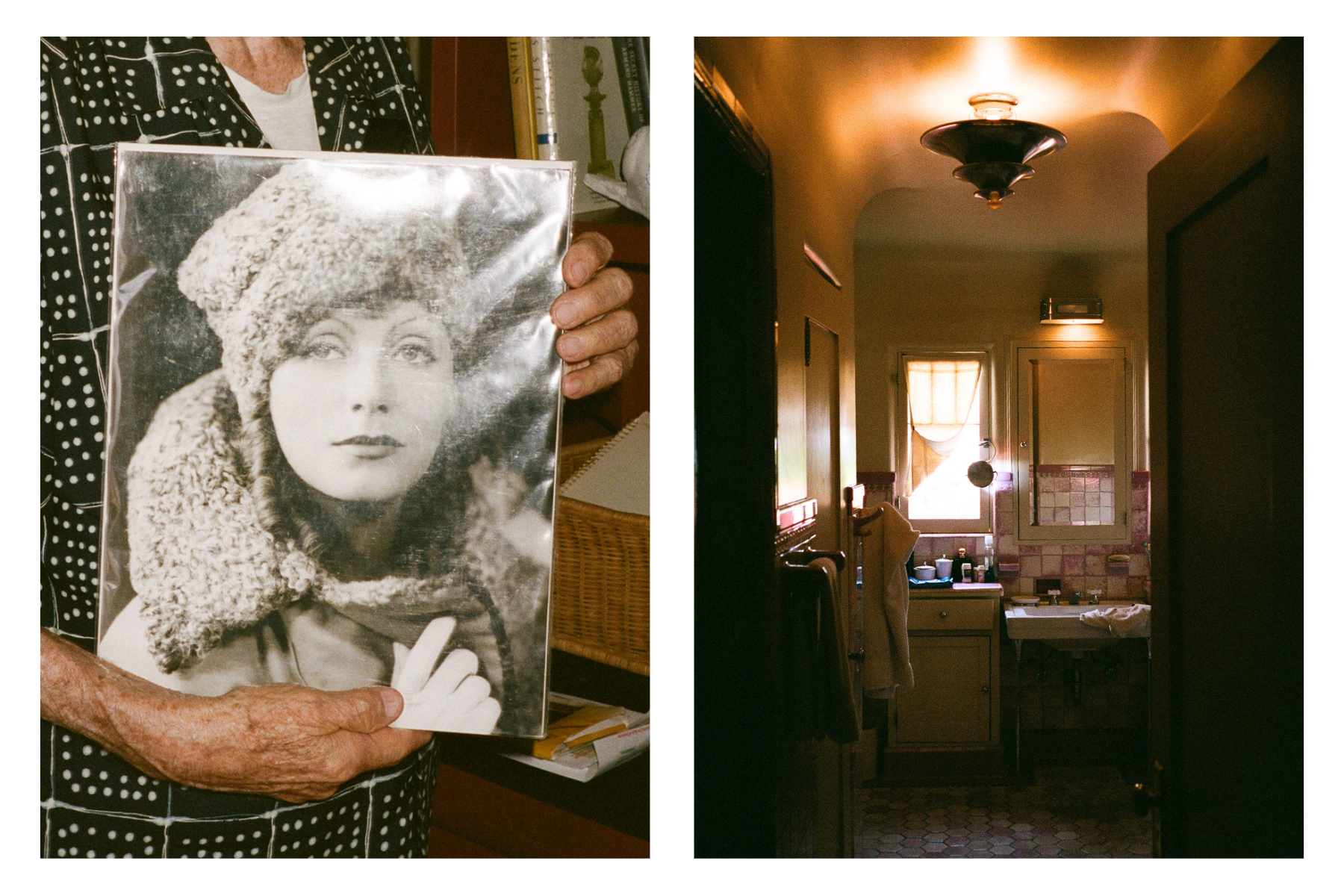
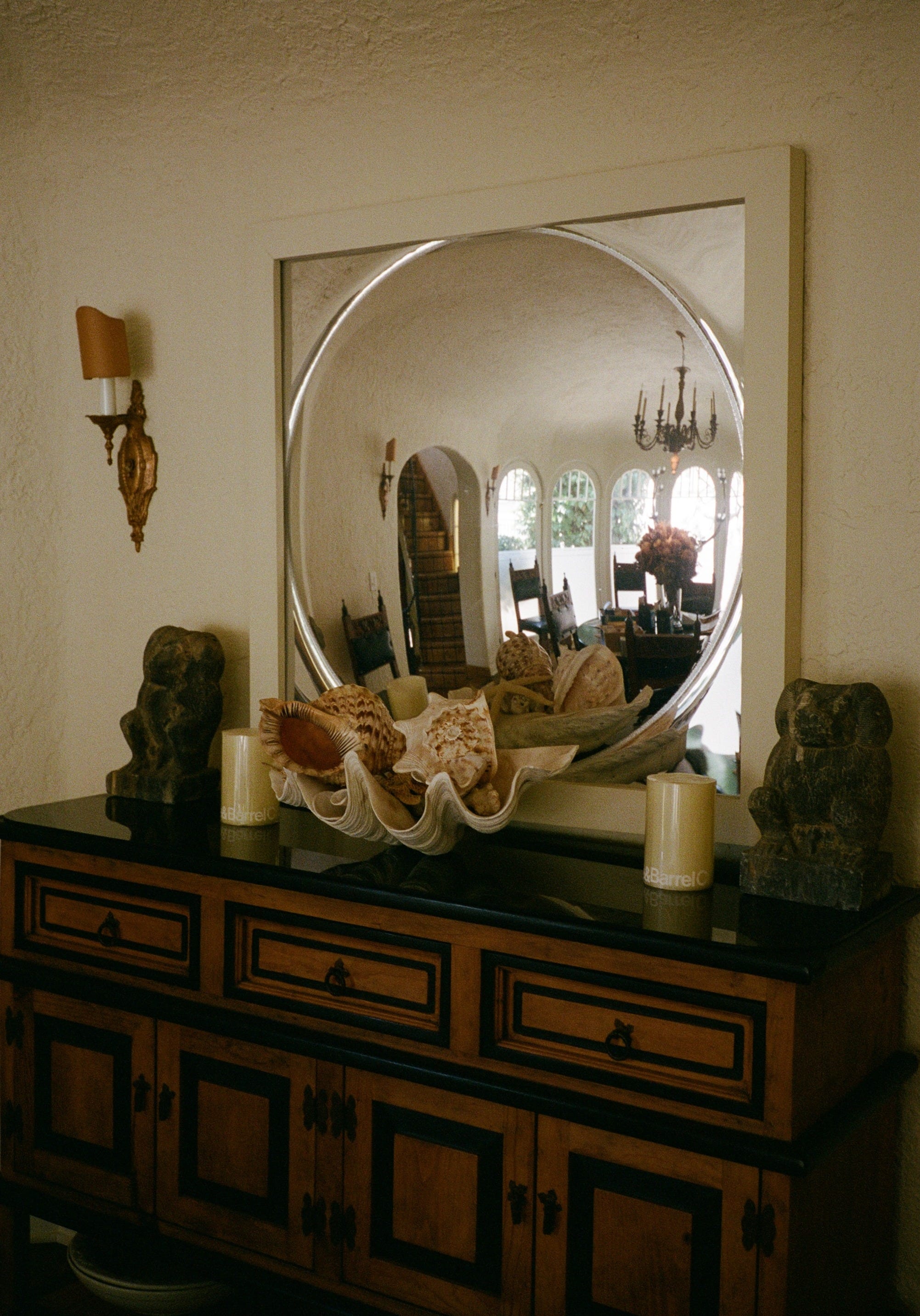
He didn’t get the house from Garbo, obviously — he was a few owners down the chain. The year he bought the house, 1969, was also the year of the Manson family murders, and the landlord who owned this house owned the Manson property too. Over-leveraged, needing to unload what he could, he cut Bradford a deal: no down payment, just take over the mortgage.
That’s how it happened. The Manson family murders bankrupted a landlord, and a young dancer with nothing down walked into a house built for a movie star.
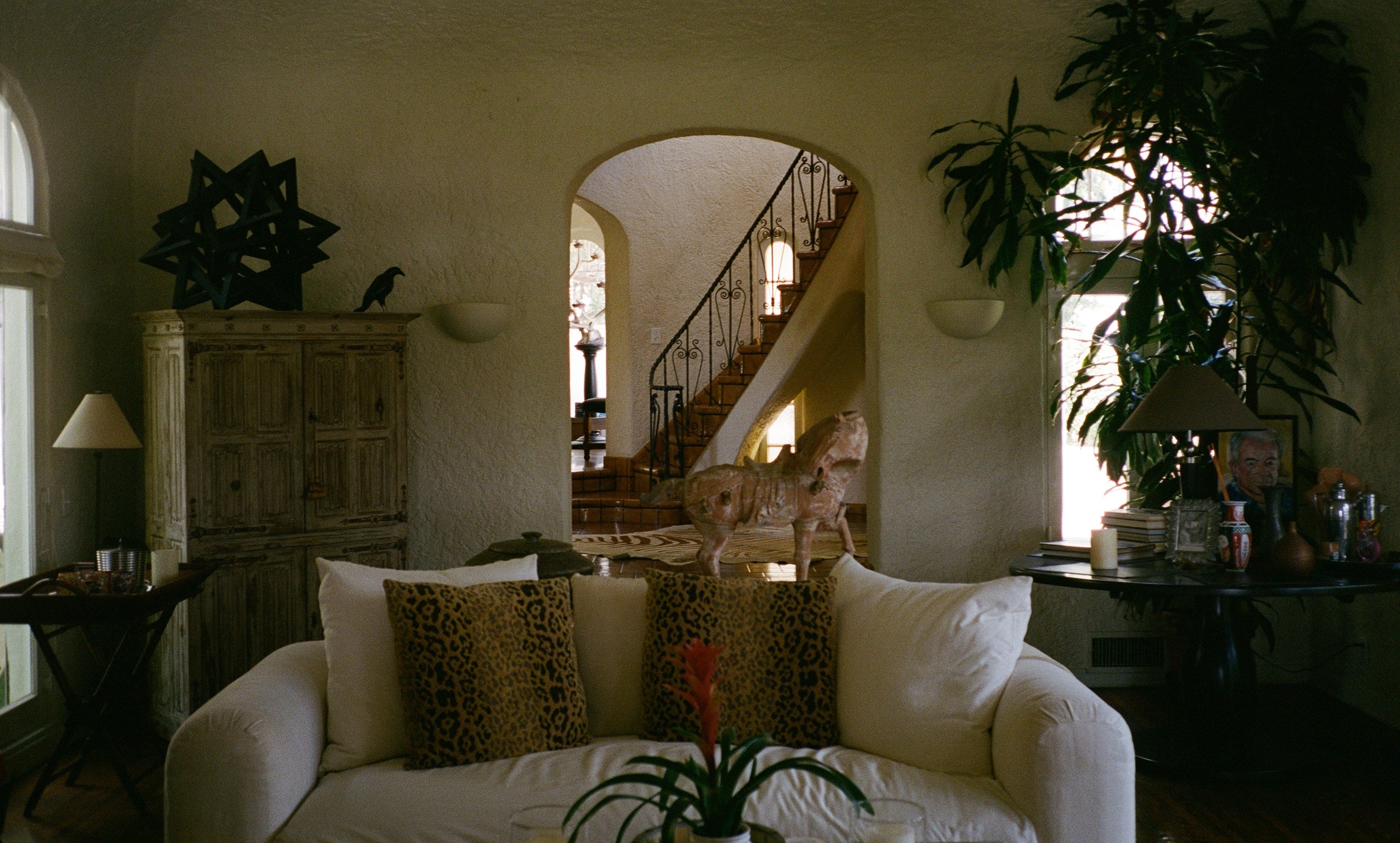
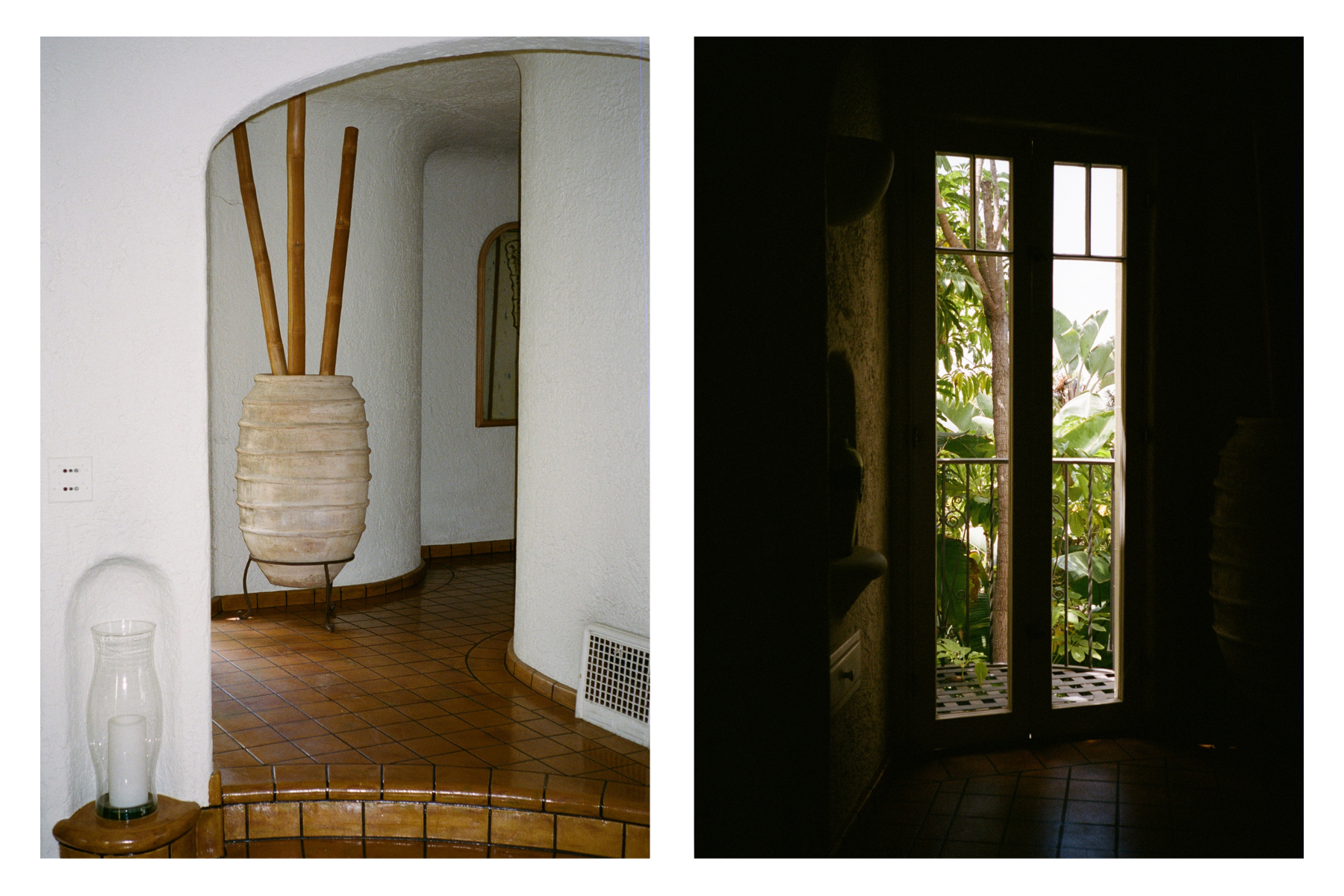
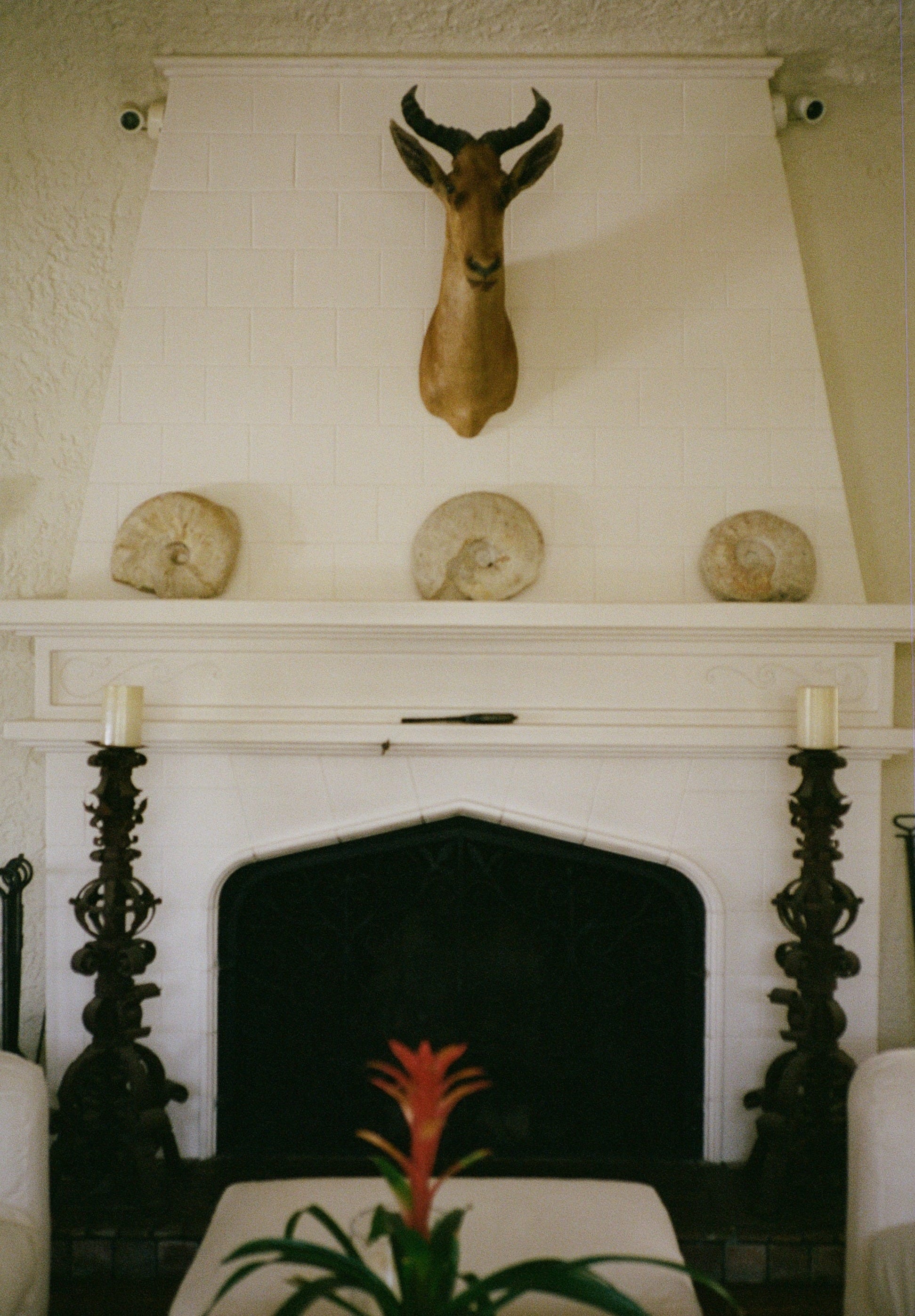
He painted the house white. He kept two lightning rods a dancer named Juliet Prowse brought him back from a French chateau — rusted, the rods long since snapped off, still standing sentry on either side of his fireplace mantel. He slowly accumulated treasures throughout, including the African antelope above the mantel, which Bradford refers to as his moose.
"So this rich lady that I knew was over here... she said, 'Oh, you need one of those mooses. My husband goes hunting, we have mooses and deers and stuffed animals in every room,' and she says, 'I'll send you one.' And so one day this beautiful model came in a taxi... with the head all wrapped in paper and then I hear: 'I'm here! Can you come and get your fucking moose?!' So that was free."
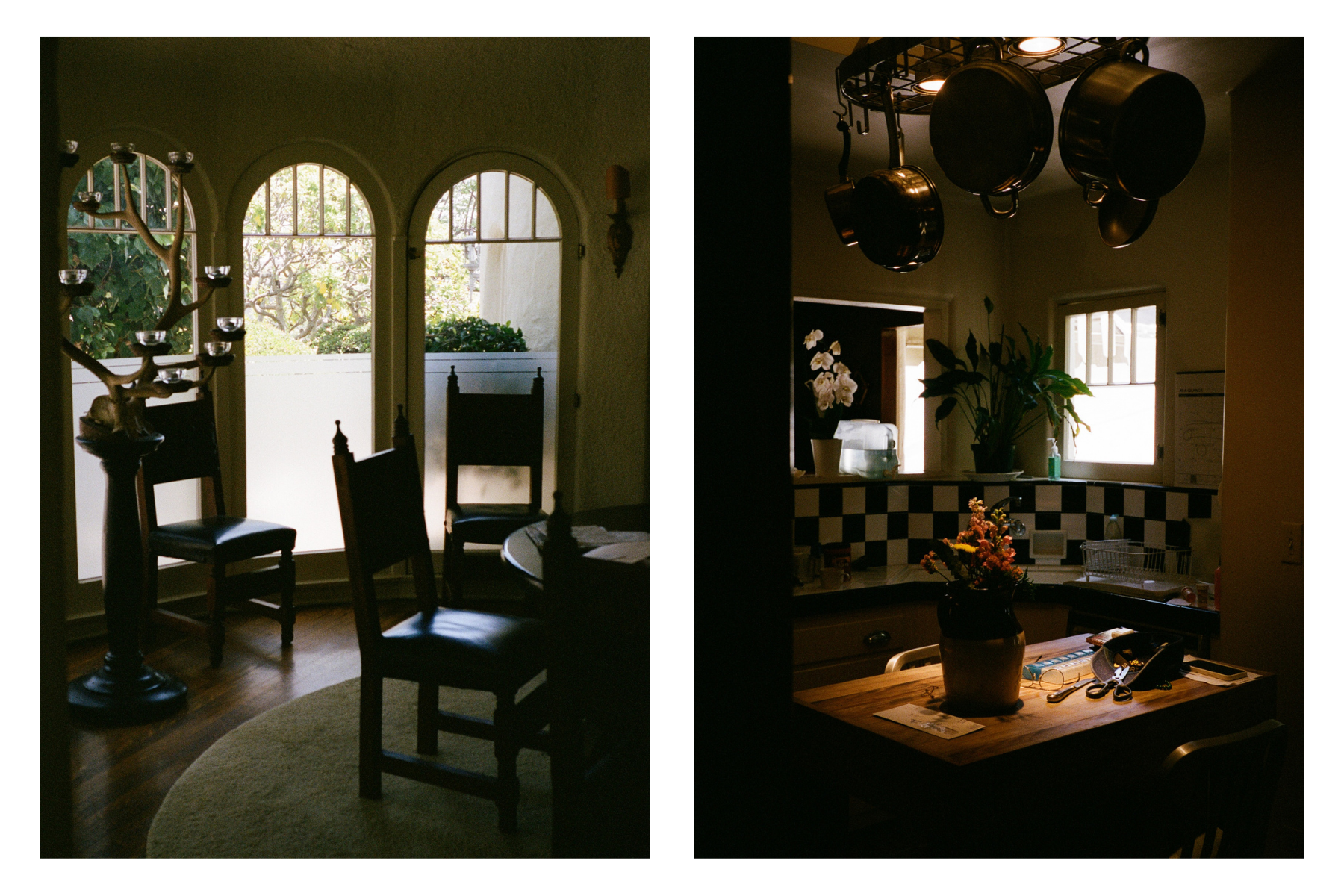
People slept on his couch and he'd wake up to strangers in other rooms and just introduce himself. It was that kind of house, that kind of decade. He cleaned it up eventually, room by room, keeping the bones. "Weed in those days was like having a cup of coffee or a drink, you know. It's coming back," muses Bradford.
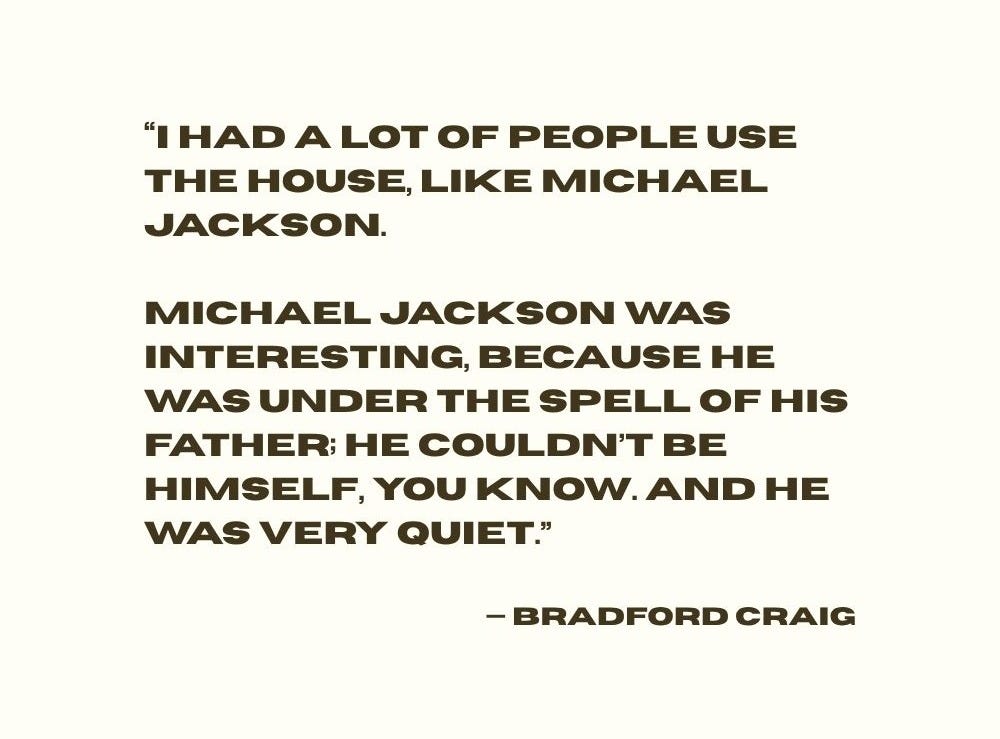
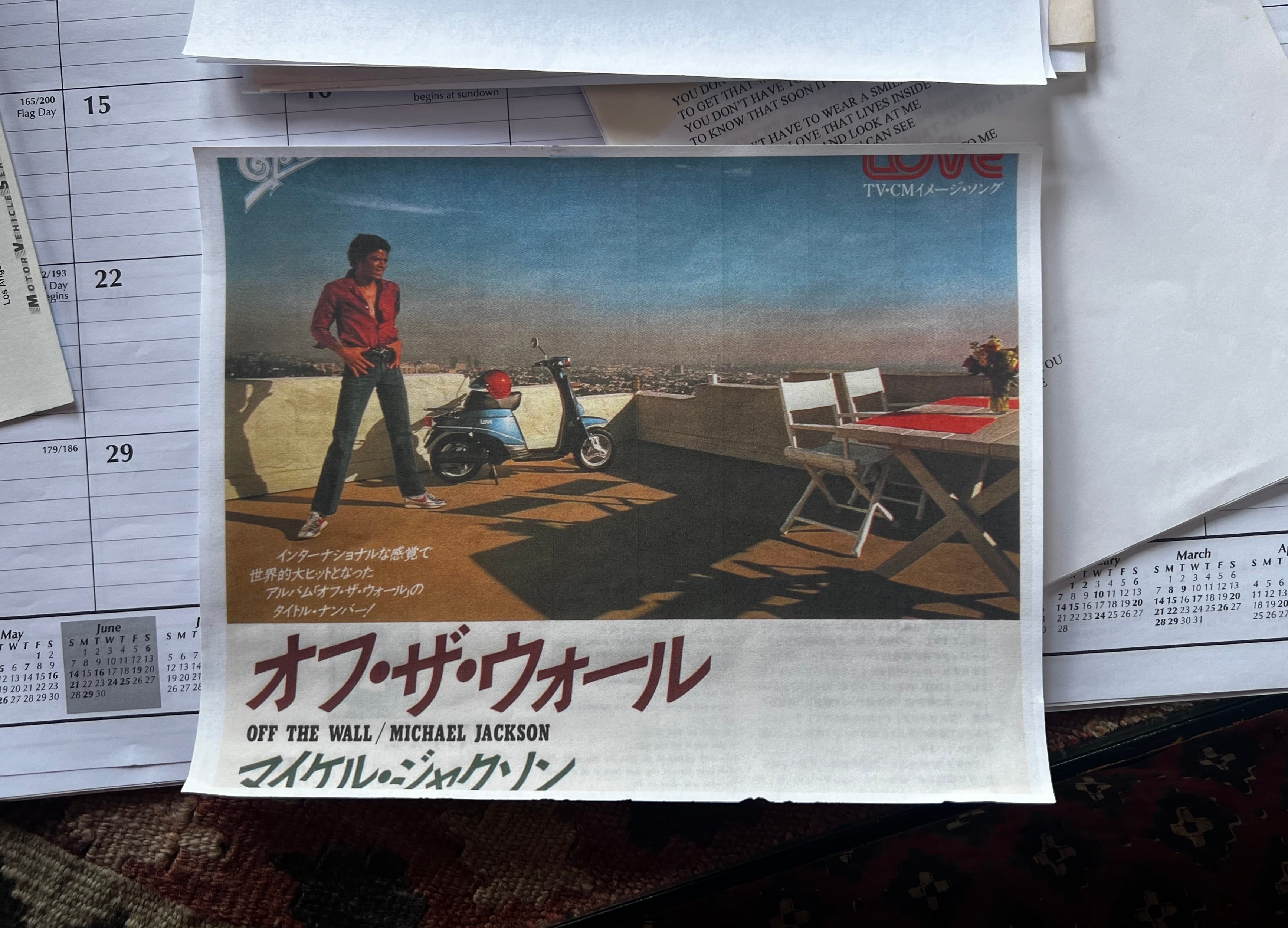
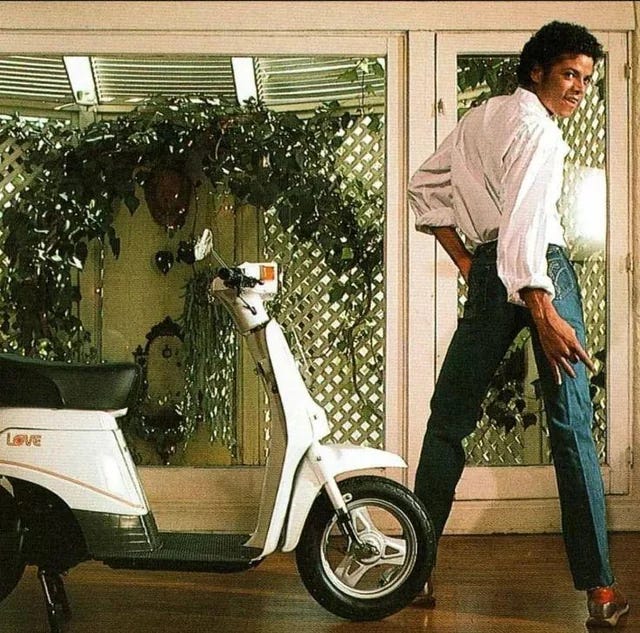
He’d rent the house to strangers, to brands. Suzuki leased the house for their campaign starring Michael Jackson, the way brands do when they need a room with real history in it instead of a set. Bradford remembers Jackson exactly the way you’d hope someone who actually paid attention would remember him — not starstruck, just quietly sad on his behalf.
Before any of this, Bradford was a dancer. Then a songwriter. Then a painter. “I started off as a ballet dancer, and I danced in the Marin Symphony Ballet.”
He wrote special material for Marisa Berenson's This Is Tom Jones show appearance — granddaughter of the designer Elsa Schiaparelli, and a style icon in her own right by then. She couldn't sing or dance, so he built her a number instead, and Halston sent over gowns in cardboard boxes that took over the whole living room.
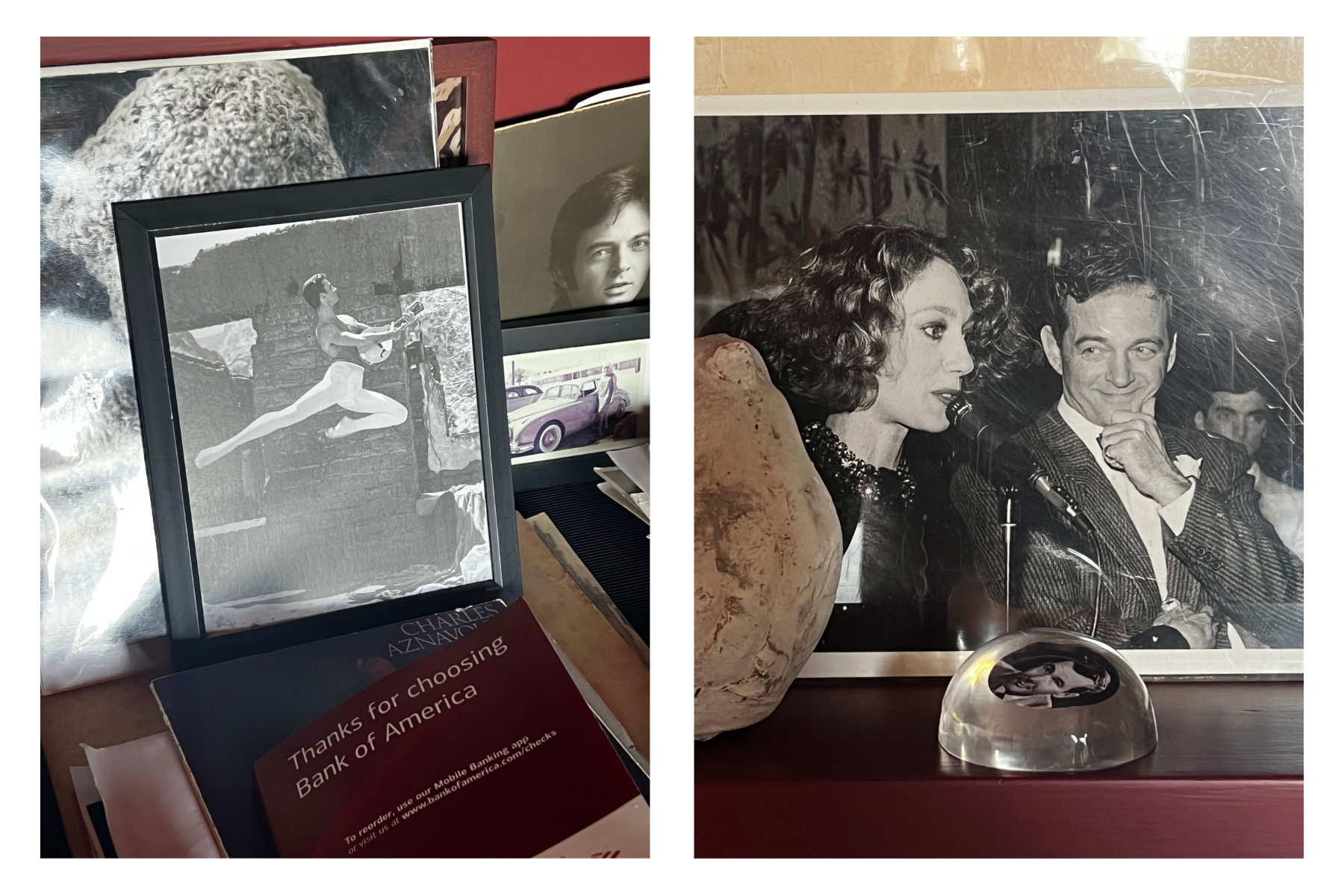
Before the house, before the ballet even, he was harnessed to a wire above the General Motors pavilion at the 1964 World's Fair in New York with a partner named Barbara Swisher, flying across a stage in costume, letting go, falling on purpose.
He paints, too. He had a blue period, like he’ll tell you, half-joking, half not. “I did it when I was so young, you know. I have several paintings that seem to be that same coloring.”
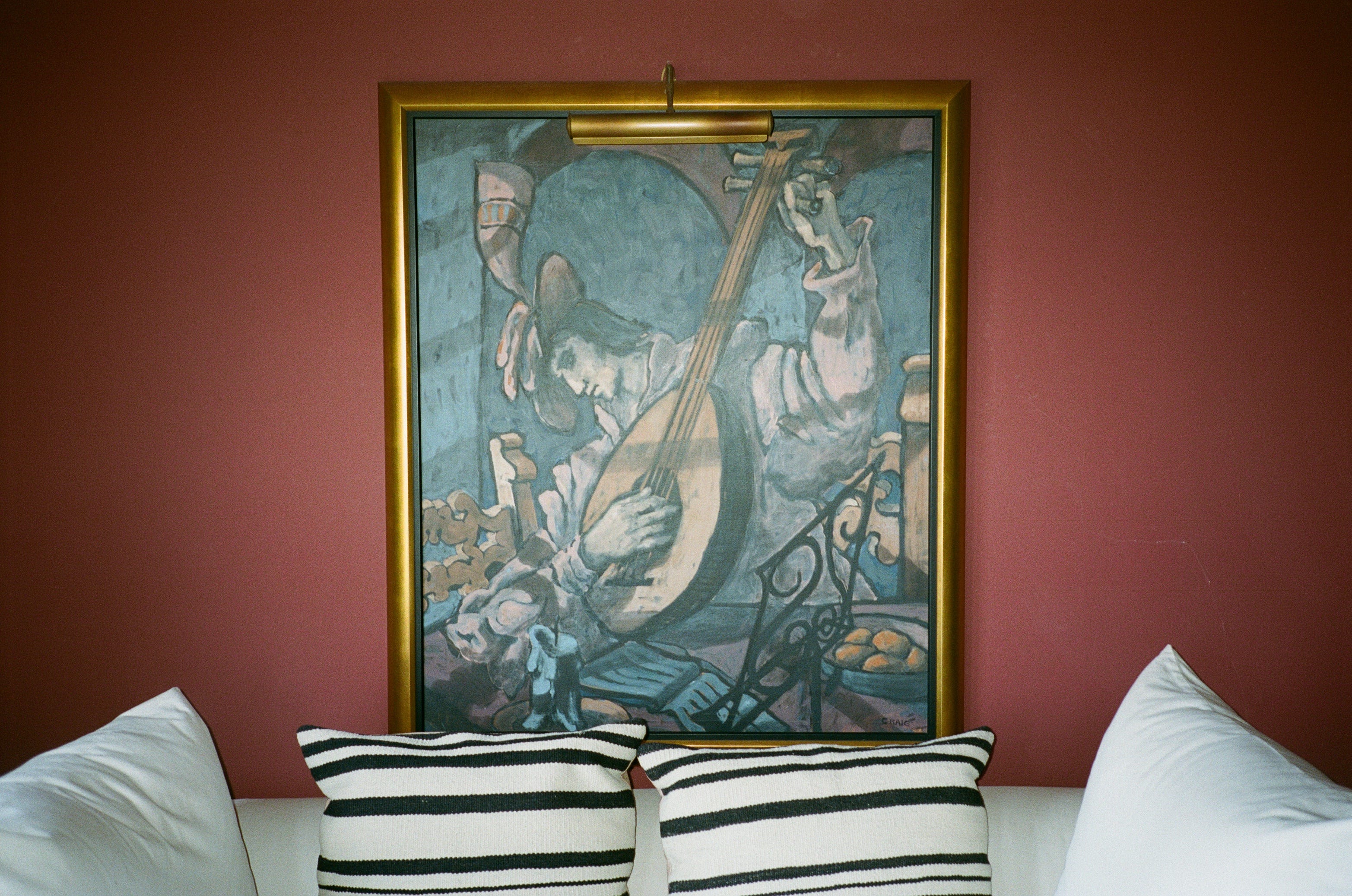
These days, the house holds him the way he once held it together.
He has two housemates who live in downstairs apartments: Walter and Jeffrey. Walter handles the bills now. Bradford jokes that now Walter is him, as he functions as a second brain for Bradford. It’s very sweet seeing them all together, this group of older men who are all friends and take care of one another.
There’s a maid and a gardener Bradford still resents needing, a little, because he was the one who used to do everything himself. He still waters the plants. “I water everything, and — yeah, the plants are so happy.”
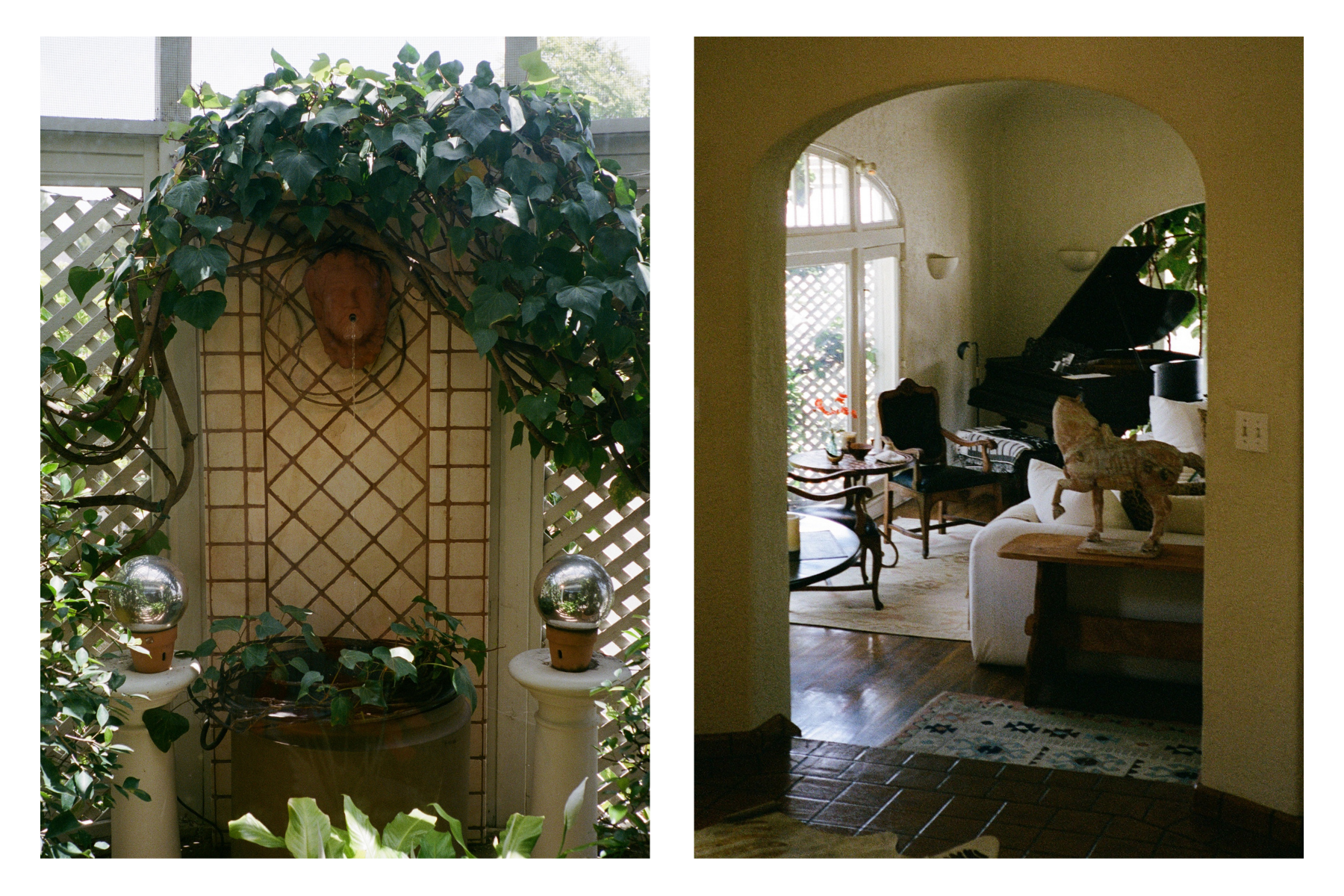
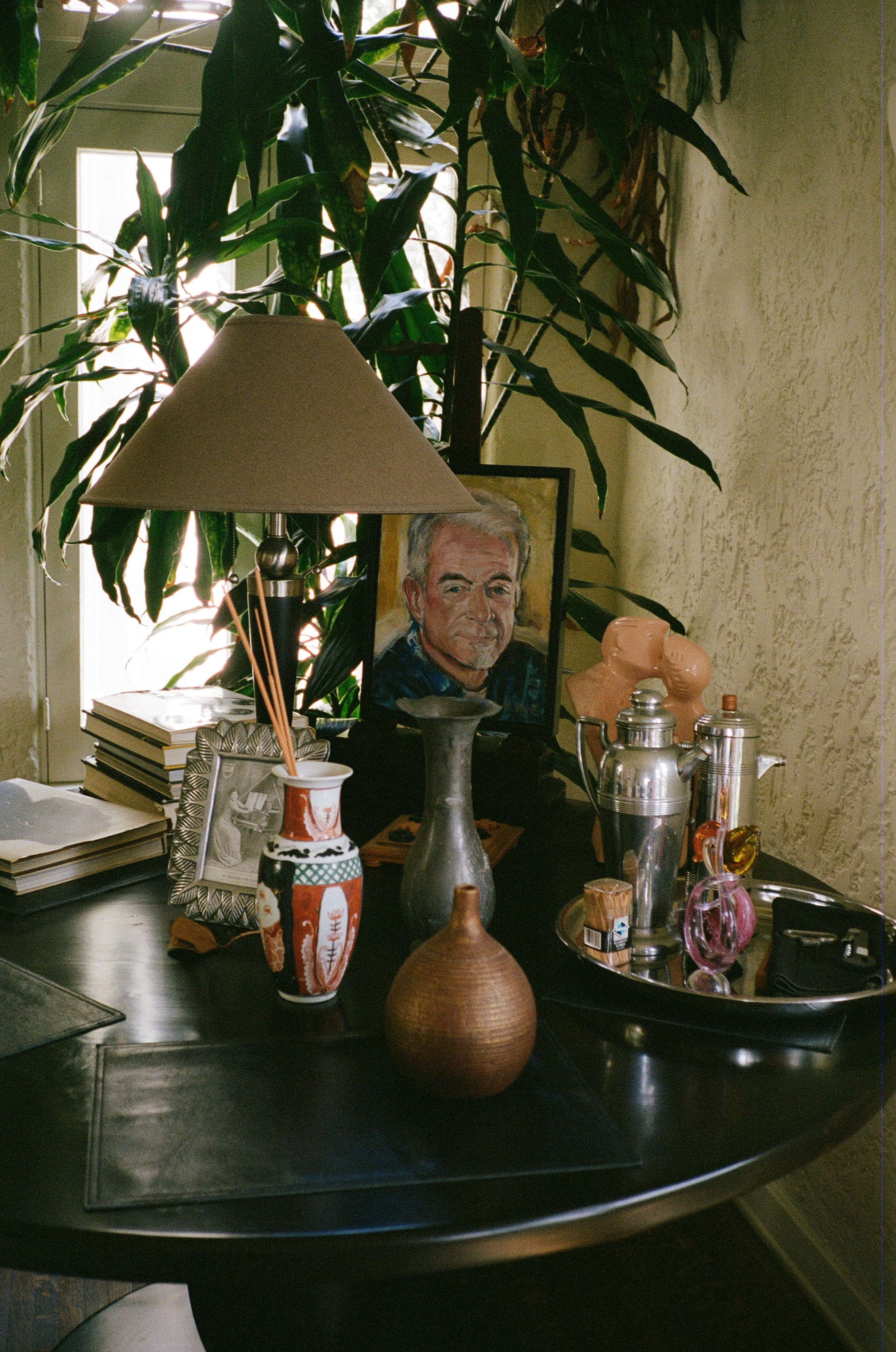
There have been losses along the way, too — the kind that naturally accumulate in a home with more than a century of history. A beloved songwriting partner and dear friend passed away not long ago. There are stories from previous owners, too, including the legend of a child who once fell to their death from the front stairs. And years ago, Bradford experienced the heartbreaking loss of his partner. A home that has held this much life inevitably holds some sorrow as well; it’s simply part of what it means to have stood witness to so many generations.
What he wanted us to know, mostly, was that he’s lived a lot of life in this house. Had so many good memories. He kept mentioning the parties, the joy of the way the world was back then, where you’d invite strangers in and let them stay, lamenting at how different everything has become in the nearly six decades he’s been living on this hill. He kept celebrating the joy of community.
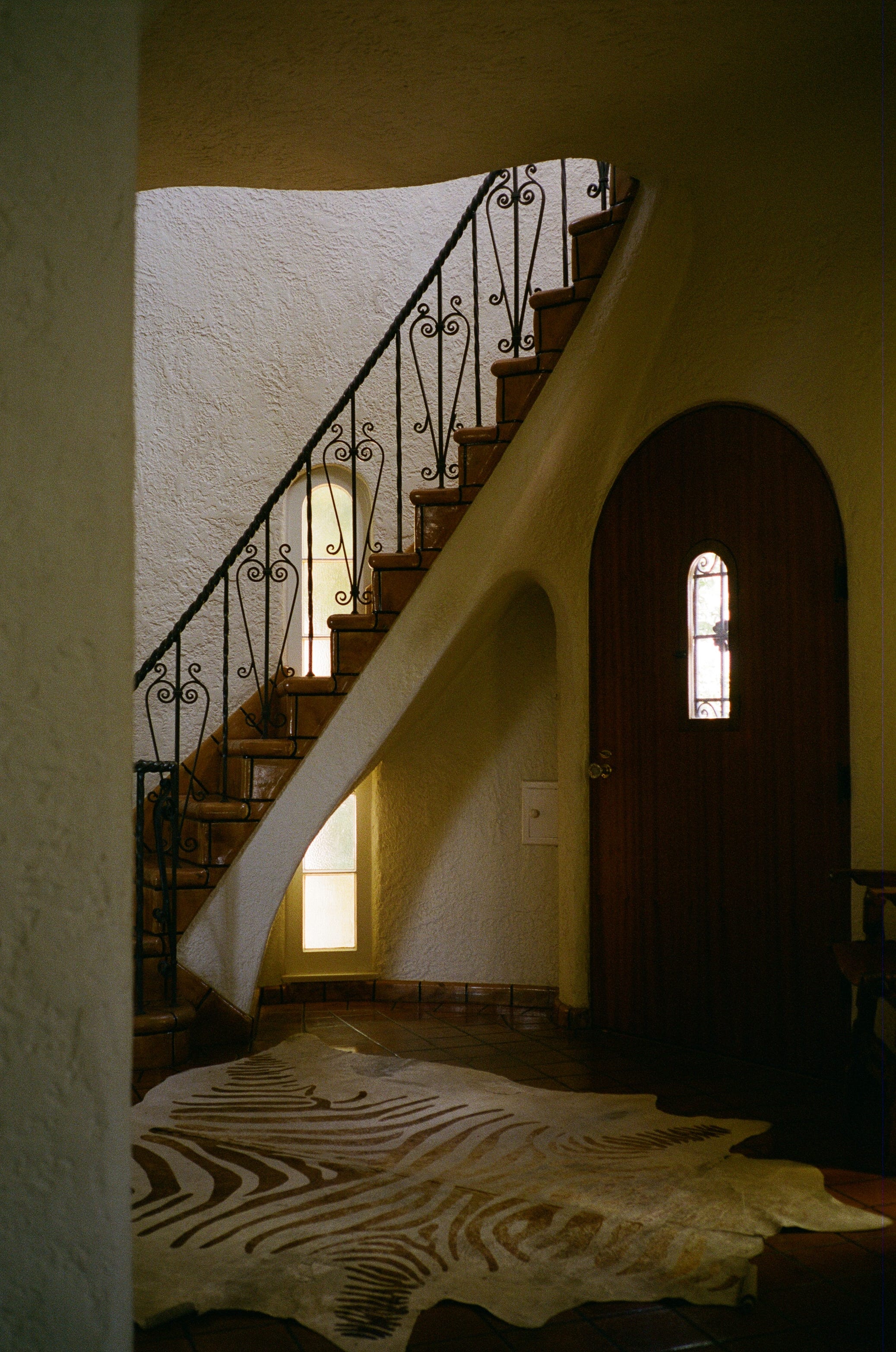
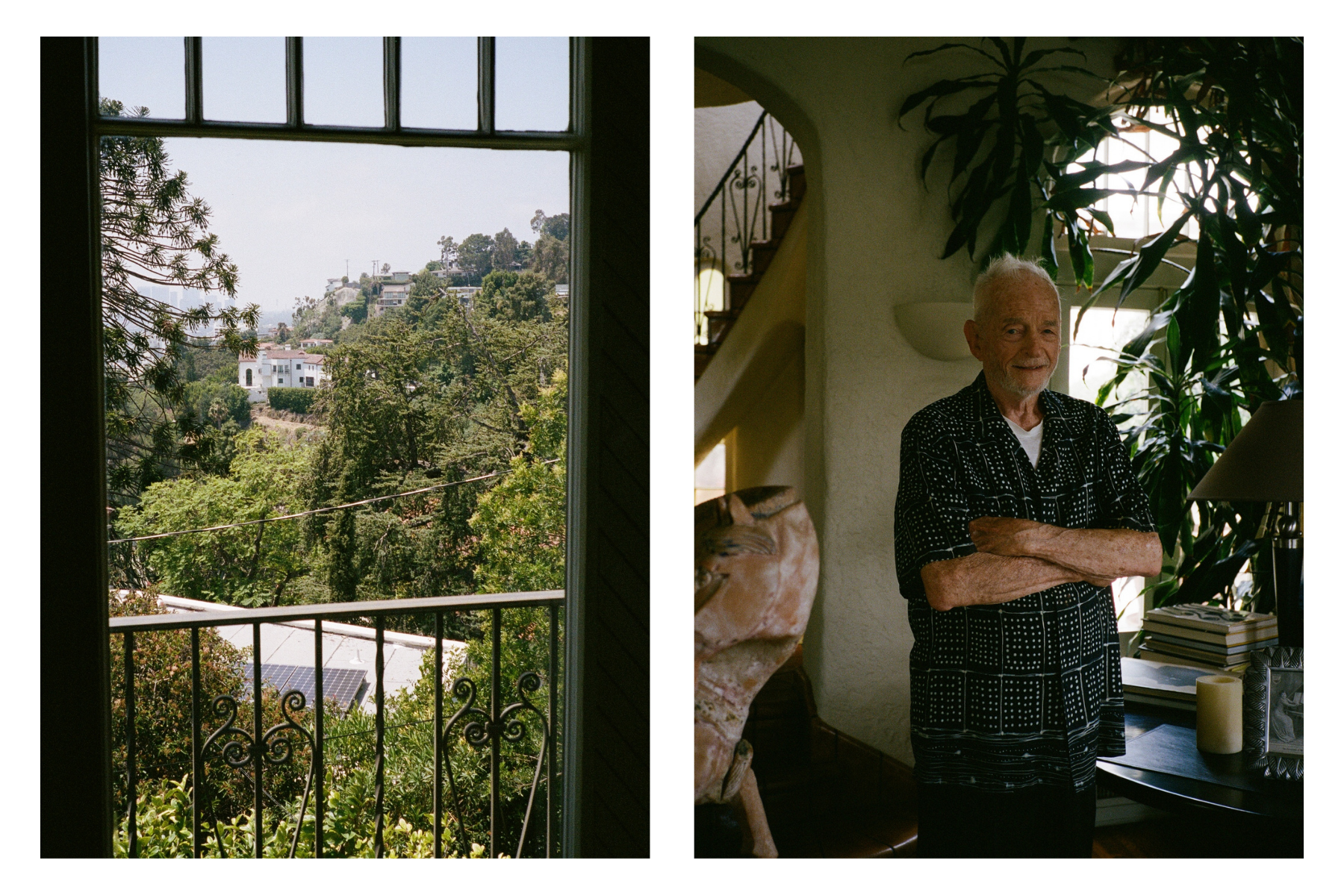
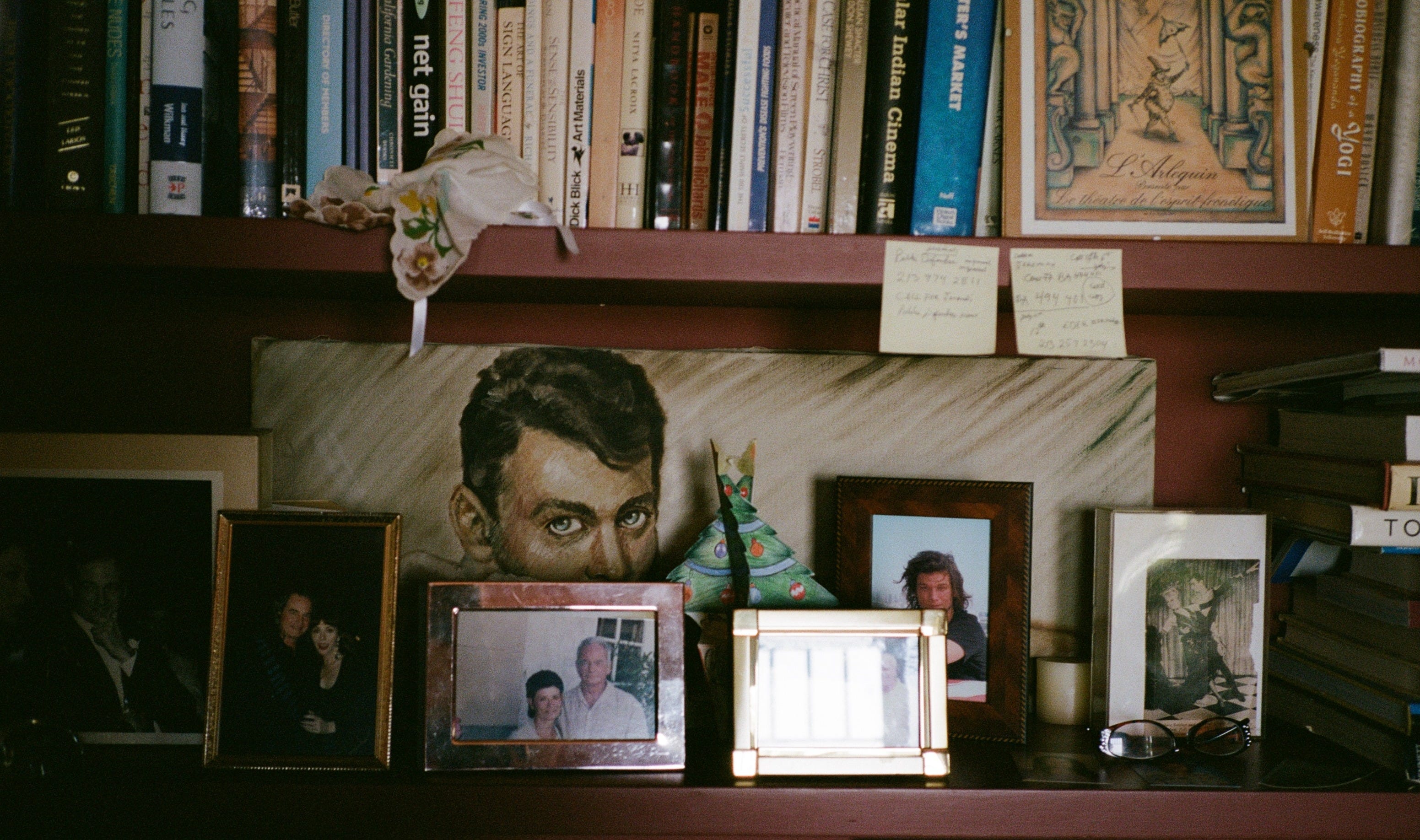
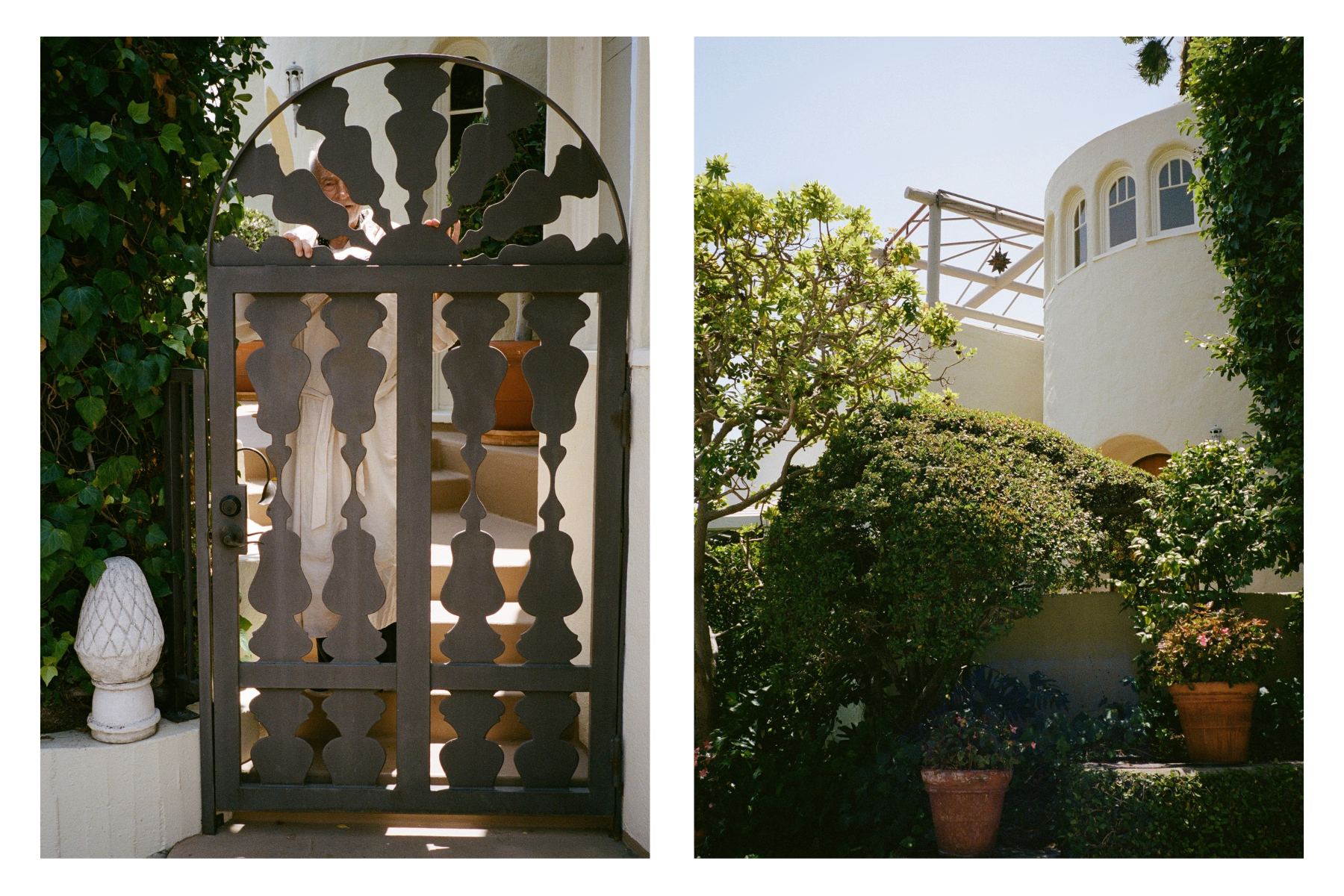
Fifty-seven years in a house built for a silent film star, bought off a bankrupt man’s bad luck, filled with hippies and lightning rods and a king of pop who couldn’t be himself and a dancer who could still, some days, feel the blood get going if he did his push-ups first.
He asked us more than once if we thought when he was younger that he looked like Ernest Hemingway. He did, a little. He liked that we said so.
This interview has been edited and condensed for clarity and length.
What a cool story! Loved the photos for this one ❤️
That's the way things rolled in the real estate game back in those days. Mortgages were assumed left and right. What a pistol this guy was and still is!