


SANCTUARIES LA EXPLORES THE QUIETER SIDE OF LOS ANGELES THROUGH DESIGN.
ROOTED IN THE BELIEF THAT SANCTUARY EXISTS EVERYWHERE, OFTEN HIDDEN IN PLAIN SIGHT.
IF YOU ENJOY THIS PUBLICATION, CONSIDER SUBSCRIBING OR SHARING IT WITH A FRIEND.
PHOTOGRAPHY BY MICHAEL LOCKRIDGE & ALFIE KOETTER
PORTRAIT BY SHELBY NICO DIAMOND
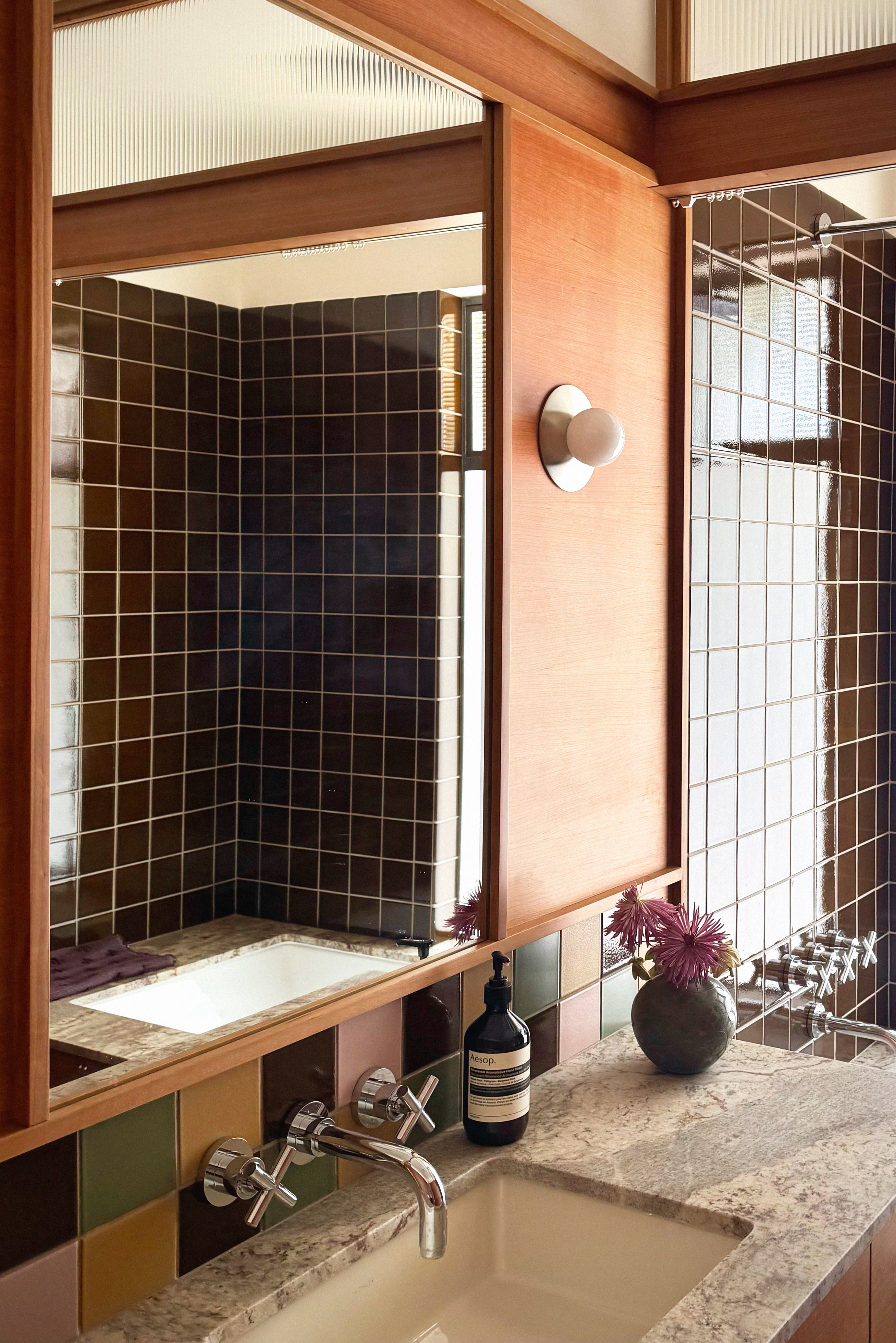
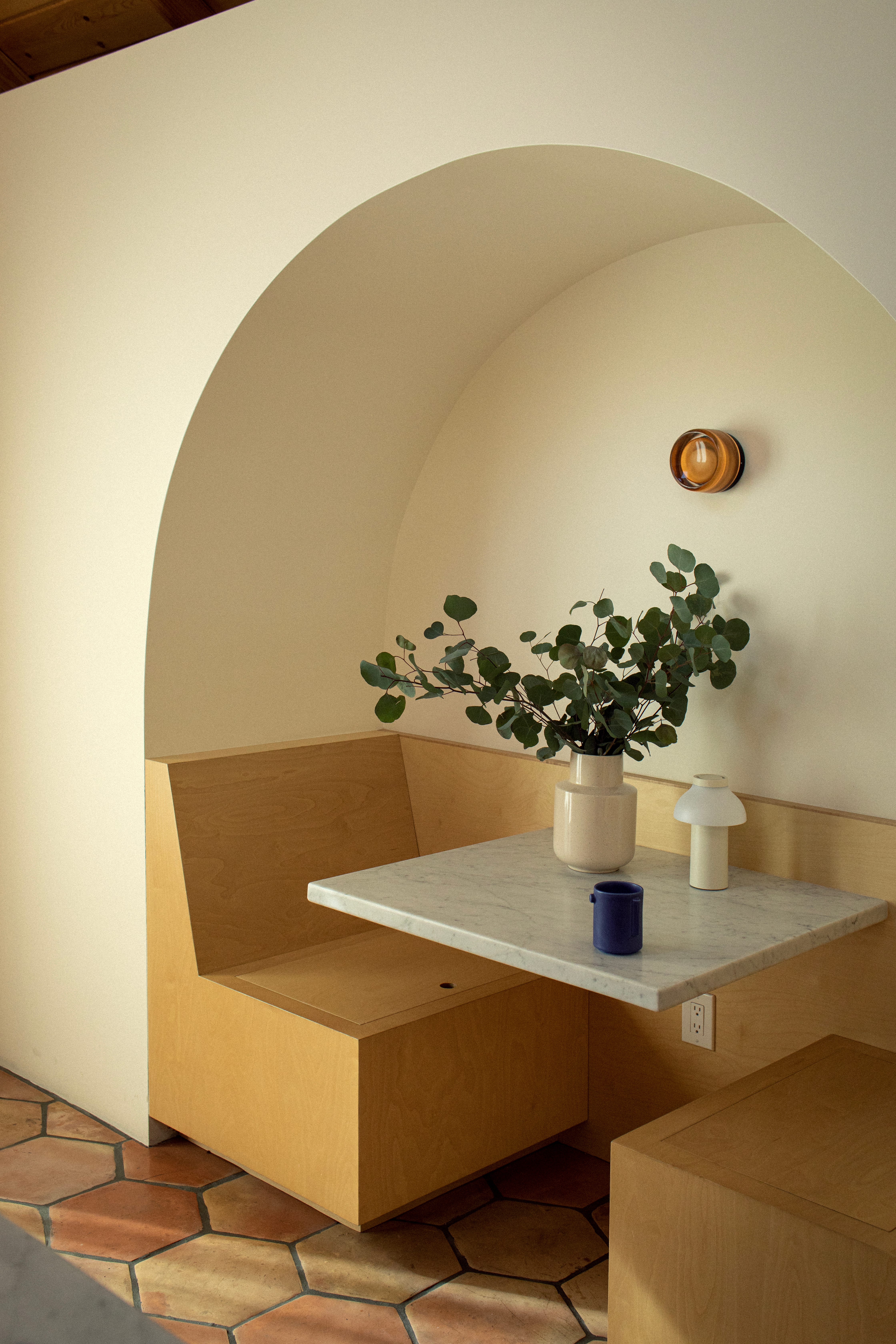
Founded by longtime friends and collaborators Alfie Koetter and Luke Studebaker, Loaf is a residential design studio rooted in community, subtlety, and careful transformation. Based primarily on the east side of Los Angeles, the duo brings a sensitive, collaborative approach to renovations — one that centers the existing character of a home and the lived experience of its inhabitants.
Loaf’s work is mostly renovations, and that’s by design. “Inherent to any renovation is the act of making a space more one’s own,” Alfie says. “While Luke and I certainly have our own aesthetic sensibilities, we try our best to balance these with those of our clients.” Each project is a conversation, not just between Luke and Alfie, but with the people who will actually live in the space. “I hope that they feel at home. I hope that they feel like they’ve been here before, but are noticing something for the first time.”
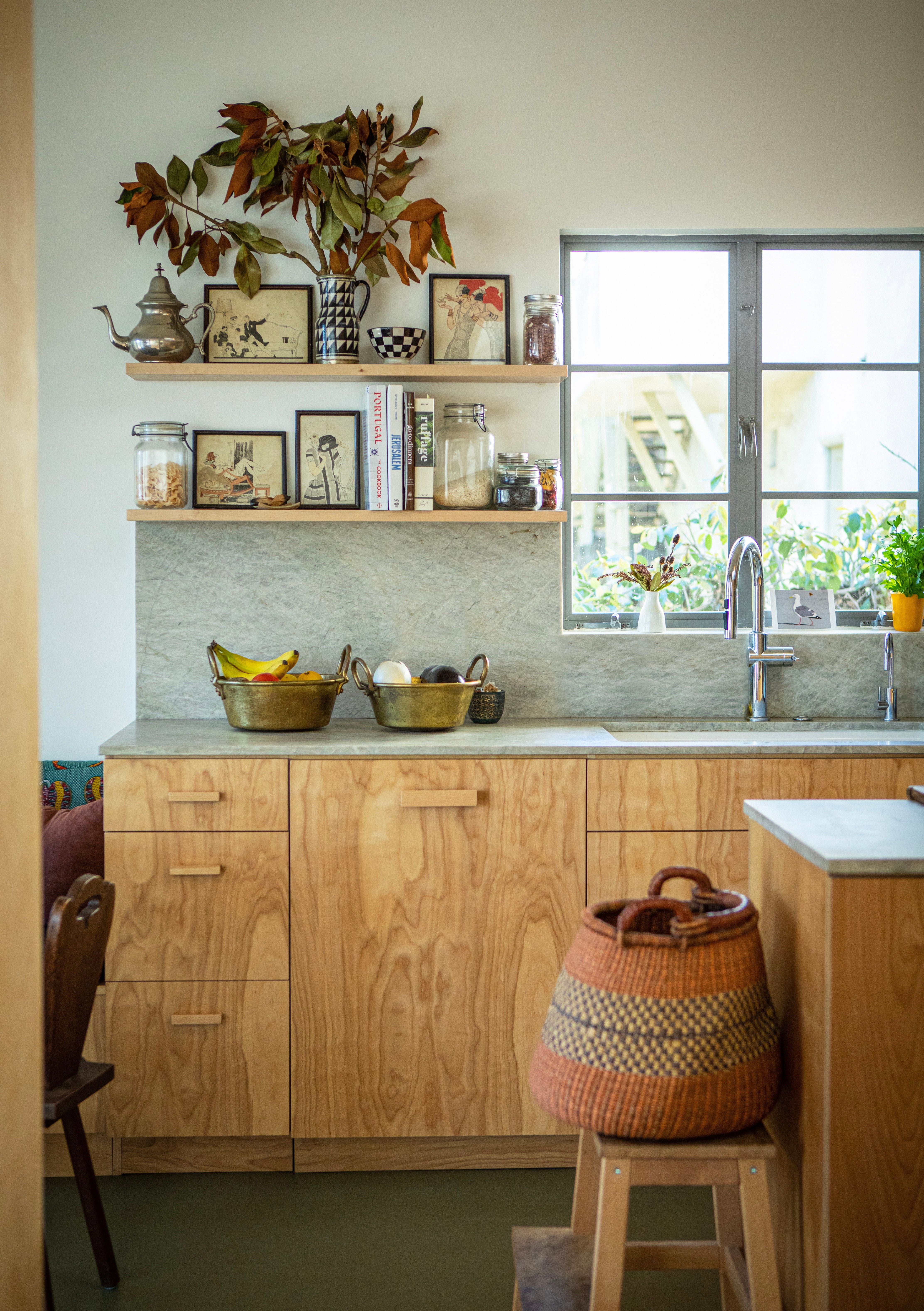
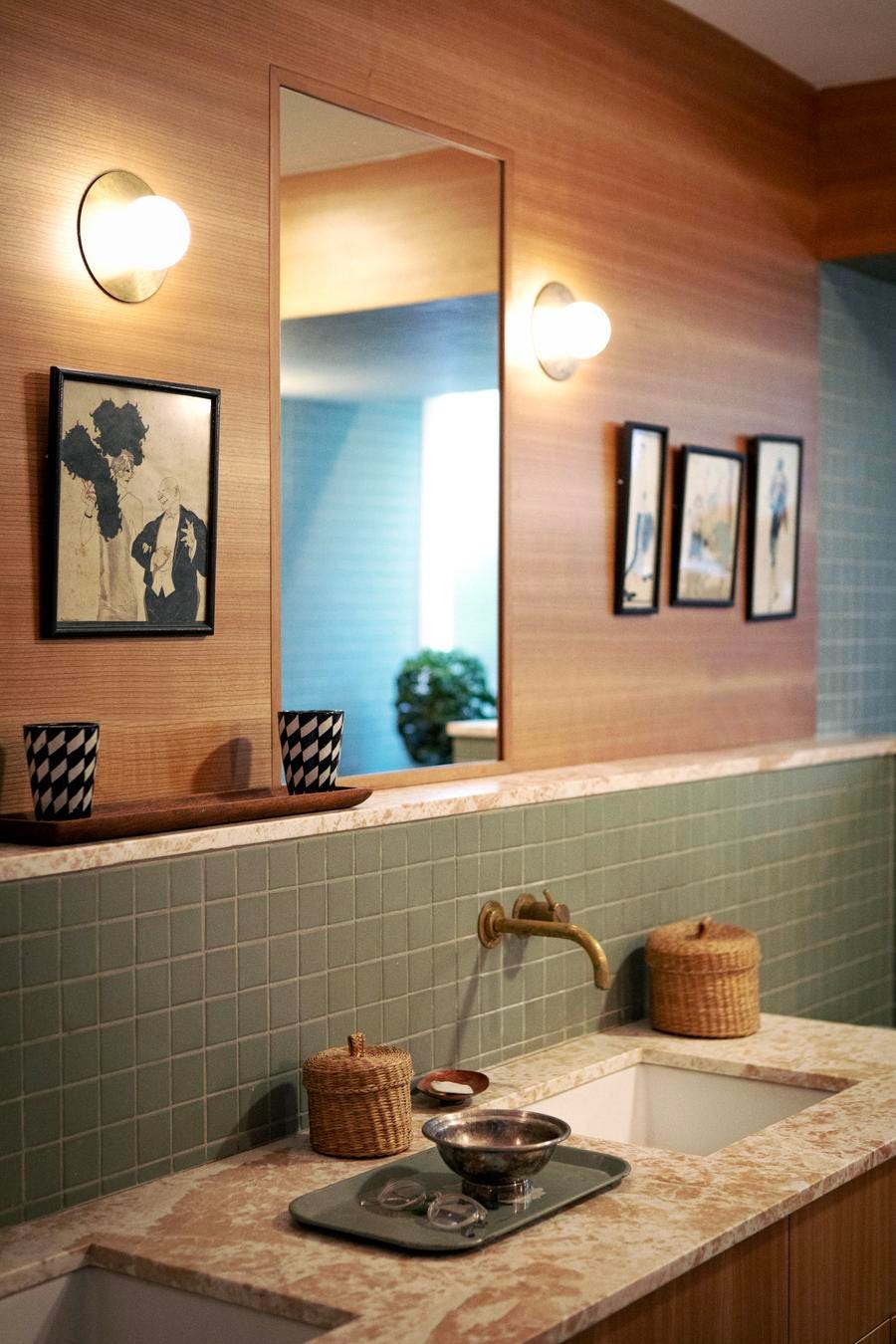
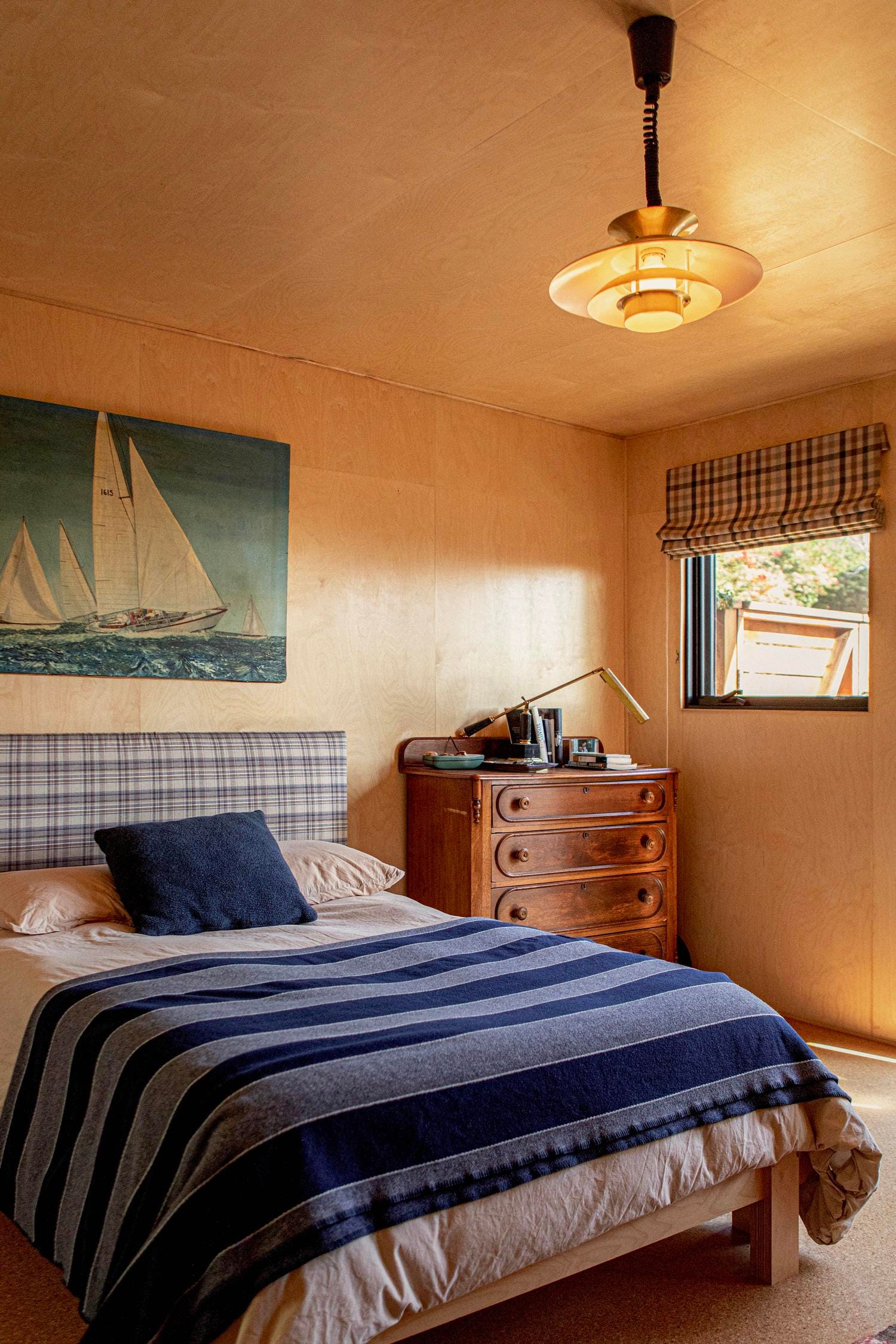
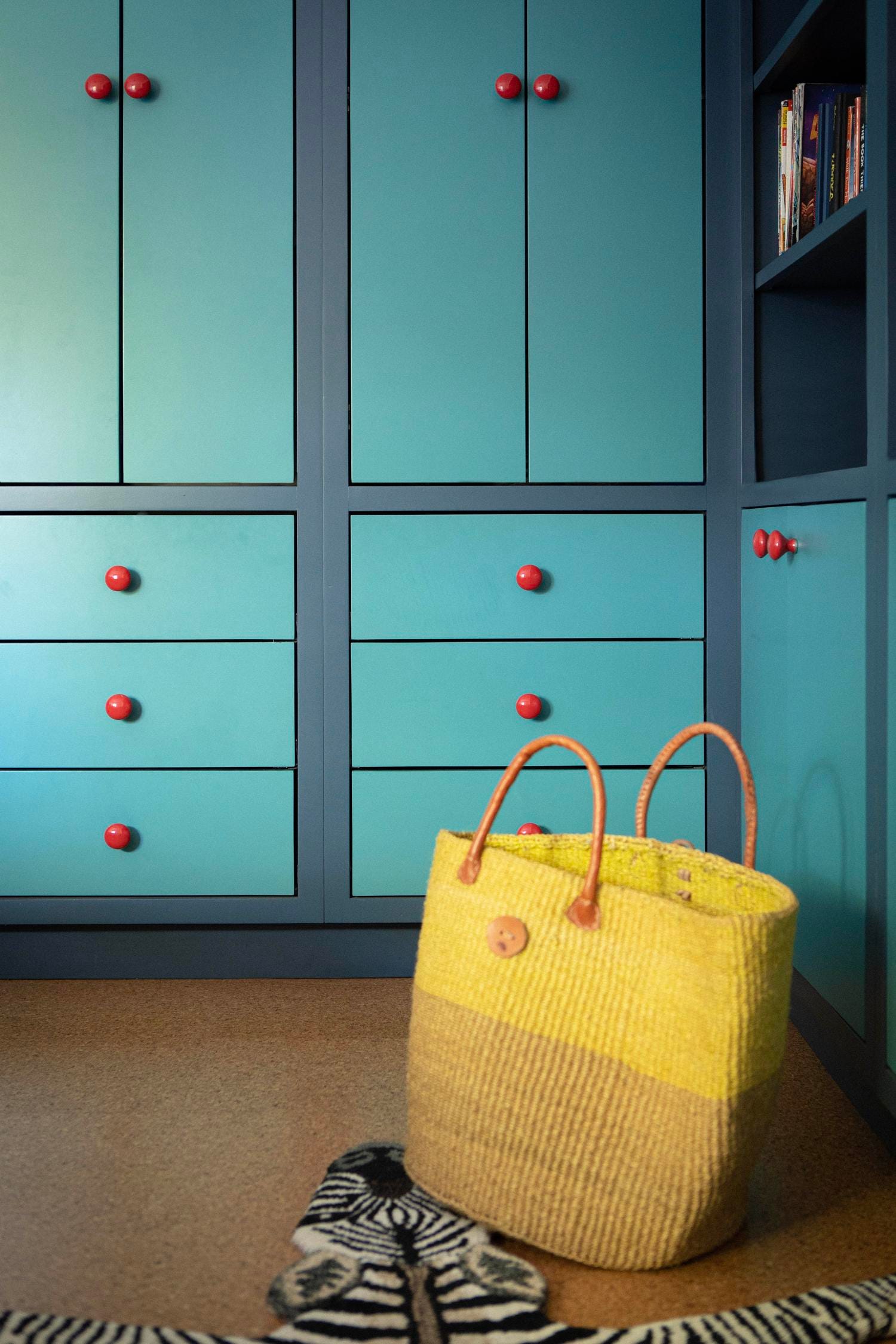
Alfie and Luke first met at the Yale School of Architecture, where Alfie was a graduate student and Luke was an undergrad. Later, Alfie began dating one of Luke’s closest friends, documentary filmmaker Cristina Costantini. When Luke eventually moved to LA in 2021, teaming up professionally felt inevitable. “You could say it’s a family affair,” Alfie says. “Los Angeles has proved to be a great place to live and a pretty good place to work. Architecturally speaking, it feels like there are a lot more opportunities here not only to build, but to be inventive than there were on the east coast. There’s something ad hoc about the built environment here that gives a sense of freedom and possibility that we love.”
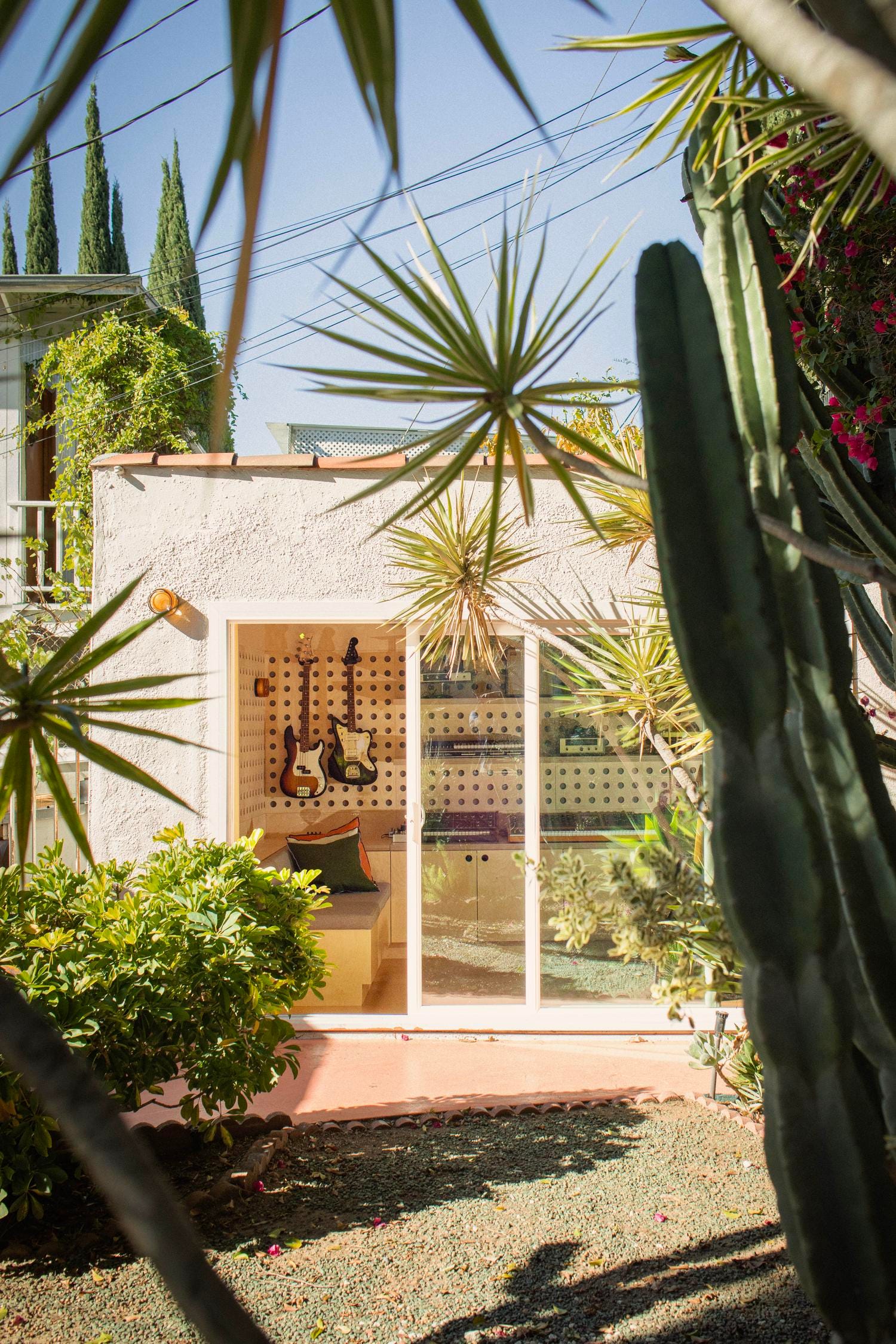
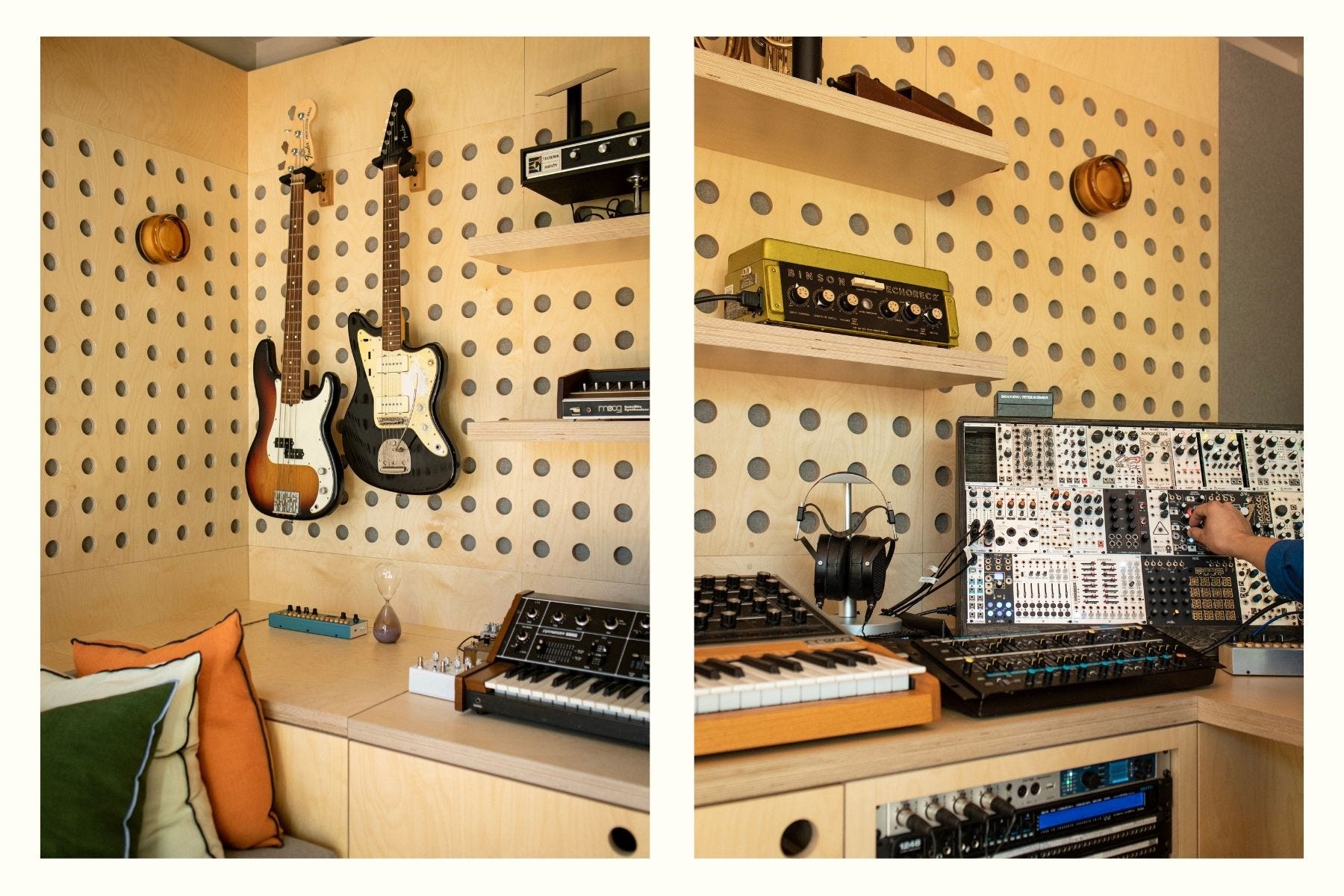
“Bigger is not always better,” Alfie notes. “We’ve become very good at making more out of less, heightening the impact of how different spaces come together, and being judicious in understanding just how big or small a space needs to be.”
When it comes to sustainability, Loaf’s philosophy resists wasteful overhauls. “Doing more work — demolishing and throwing away existing materials, using more new materials, spending more money — is not always the best option,” Alfie says. “We like to find the solutions that have the greatest impact at the lowest cost, not just financially, but also spatially. Yes, you could certainly tear out every wall to squeeze an extra bathroom into your house, but you might also just be able to move that one closet wall ever so slightly to have the same end result. We prefer the latter option.”
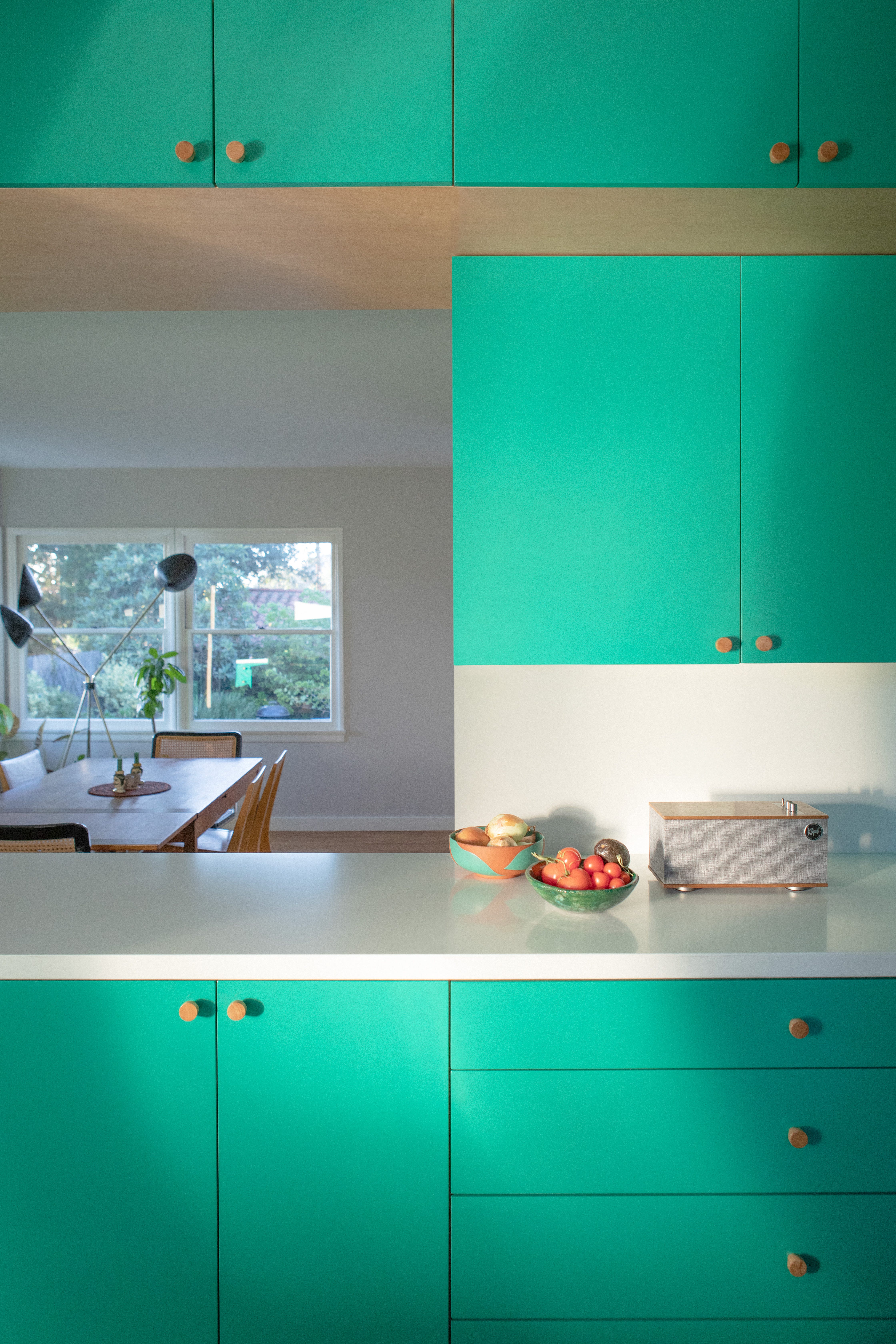
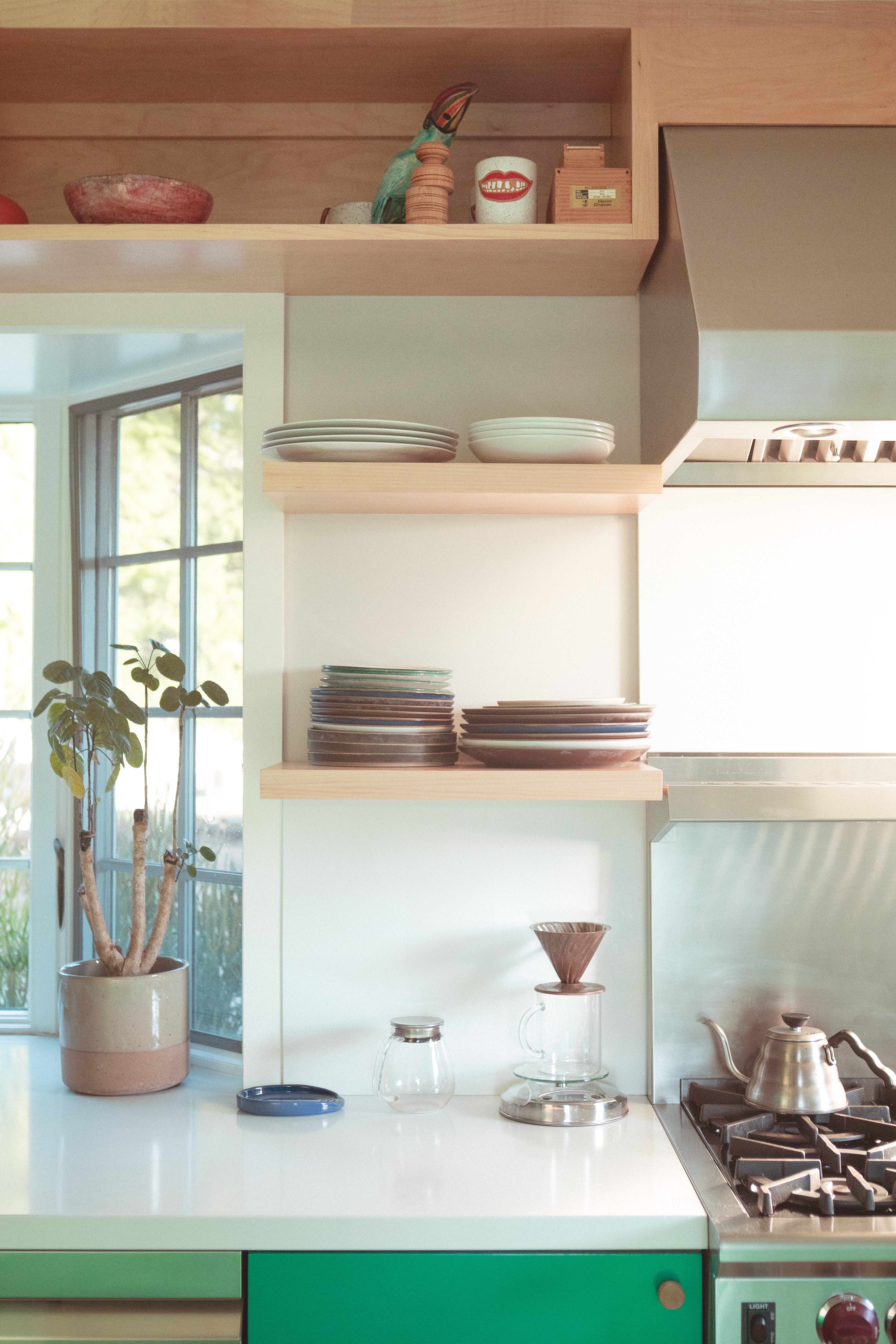
When asked about his advice for others to bring intention into their own design, his guidance is simple: “Live in it for a while. Many clients buy a new house and are eager to immediately renovate — but it takes time to understand how you and your house fit together. Sometimes the things you think you hate, end up being the things you love. You have to learn about your house before you can have an intention.”
Intention is a cornerstone of Alfie’s home in Highland Park, and the neighborhood has deeply shaped Alfie’s rhythm and worldview. His home’s proximity and walkability to the York town center, layered character, and casual familiarity offer a sense of connection in a sprawling city.
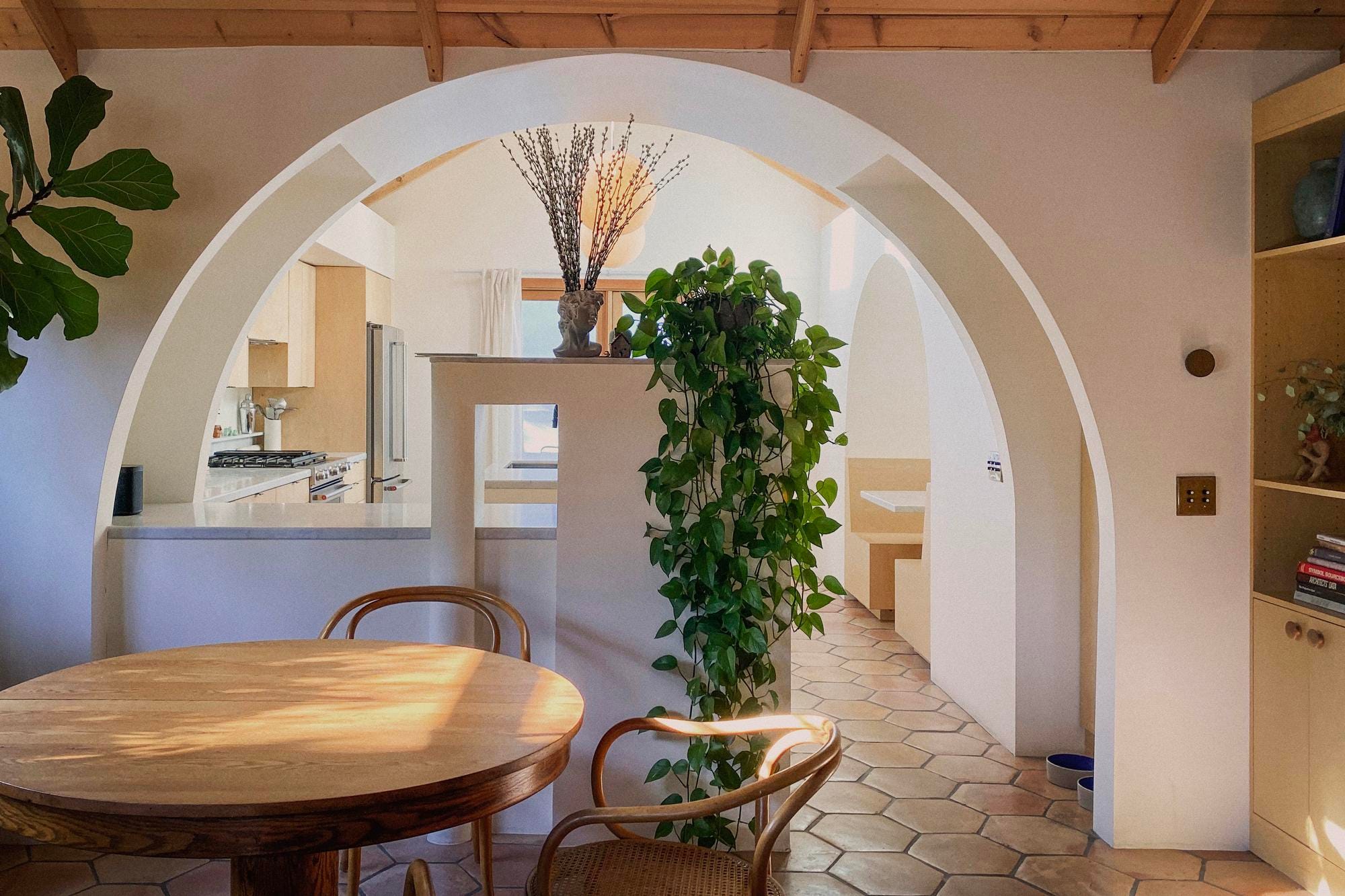
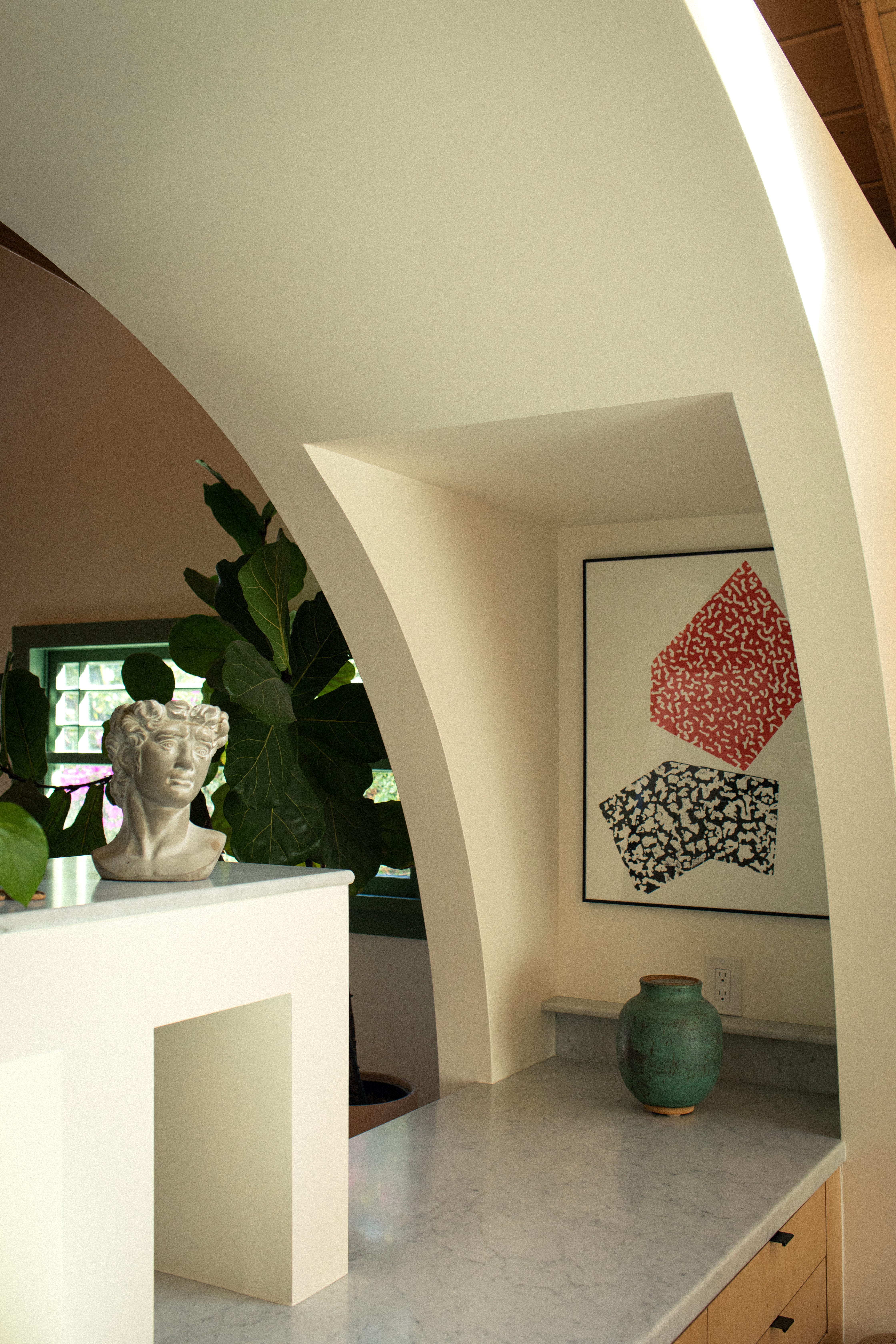
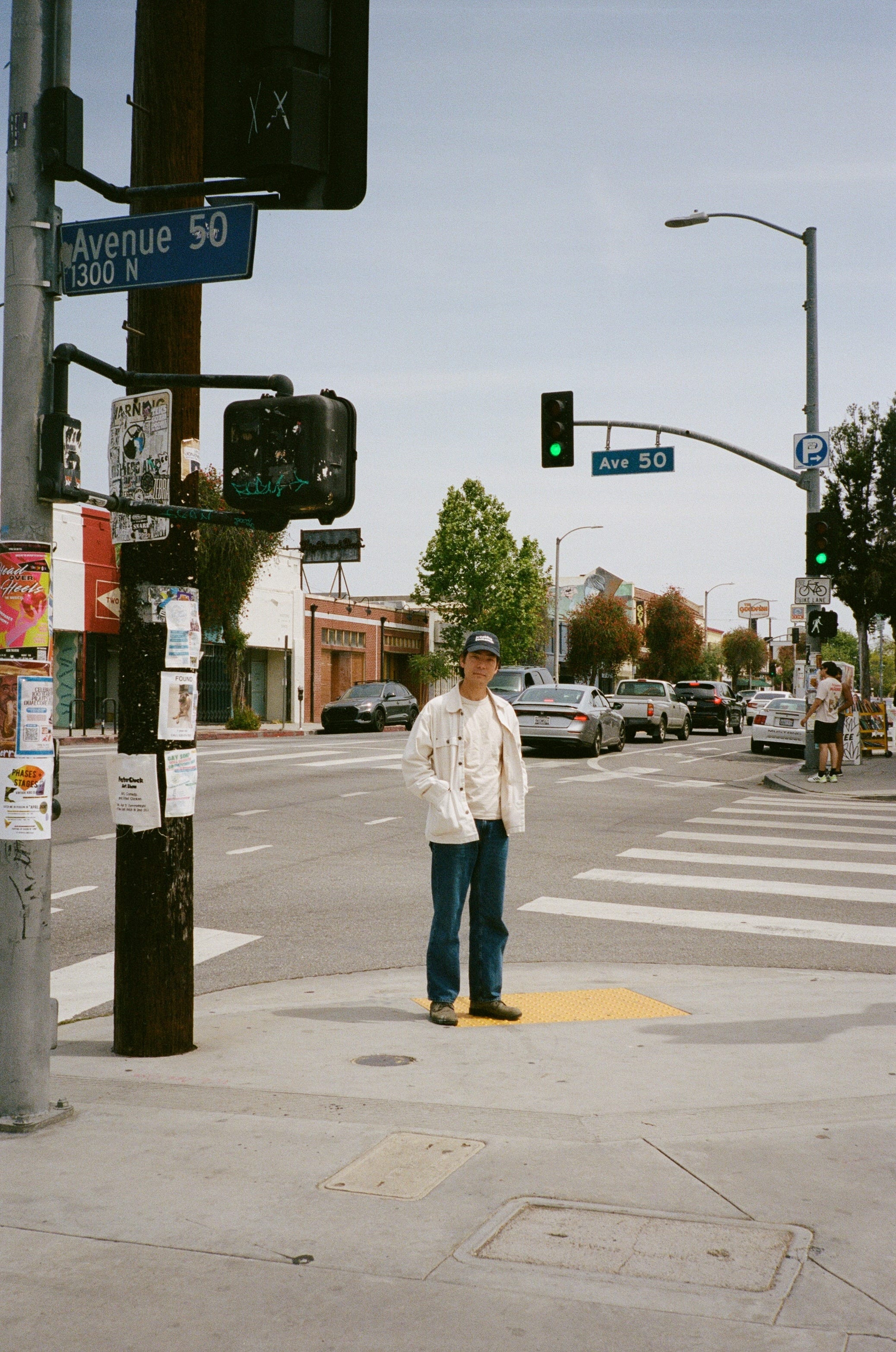
This appreciation for local spaces, especially those that feel like extensions of home, is something Loaf hopes to bring more of into the world.
“In a car-centric city like Los Angeles, the interiors of certain places become worlds unto themselves that have the power to transport you. There are certain places along York - Belle’s Bagels comes to mind - that not only have a distinctive character, but also feel like an extension of one’s own home. As much as we love designing people’s homes, we would love the opportunity to design communal spaces like these.”
This interview has been edited and condensed for clarity and length.