


SANCTUARIES LA EXPLORES THE QUIETER SIDE OF LOS ANGELES THROUGH DESIGN.
ROOTED IN THE BELIEF THAT SANCTUARY EXISTS EVERYWHERE, OFTEN HIDDEN IN PLAIN SIGHT.
IF YOU ENJOY THIS PUBLICATION, CONSIDER SUBSCRIBING OR SHARING IT WITH A FRIEND.
PHOTOGRAPHY BY SHELBY NICO DIAMOND
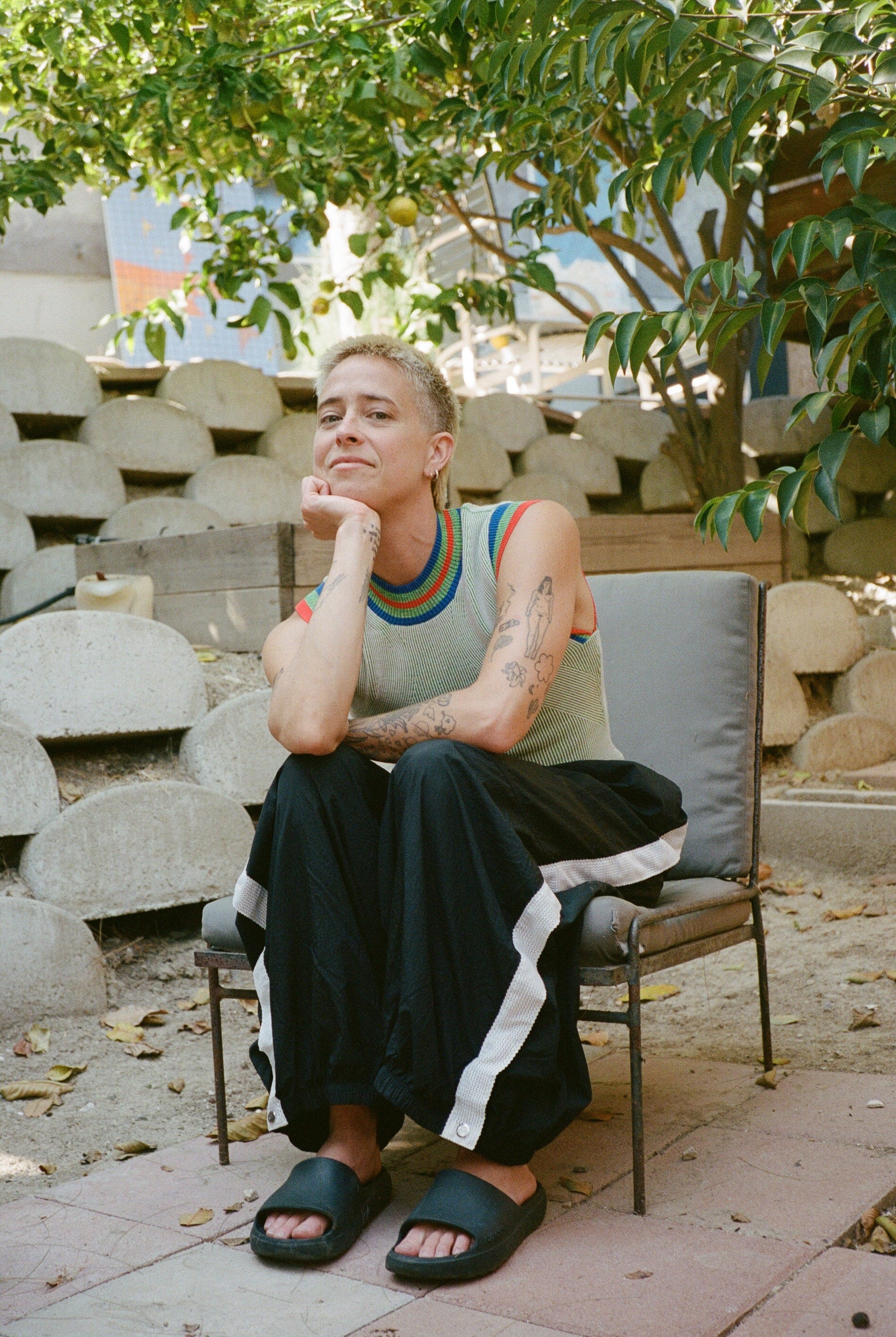
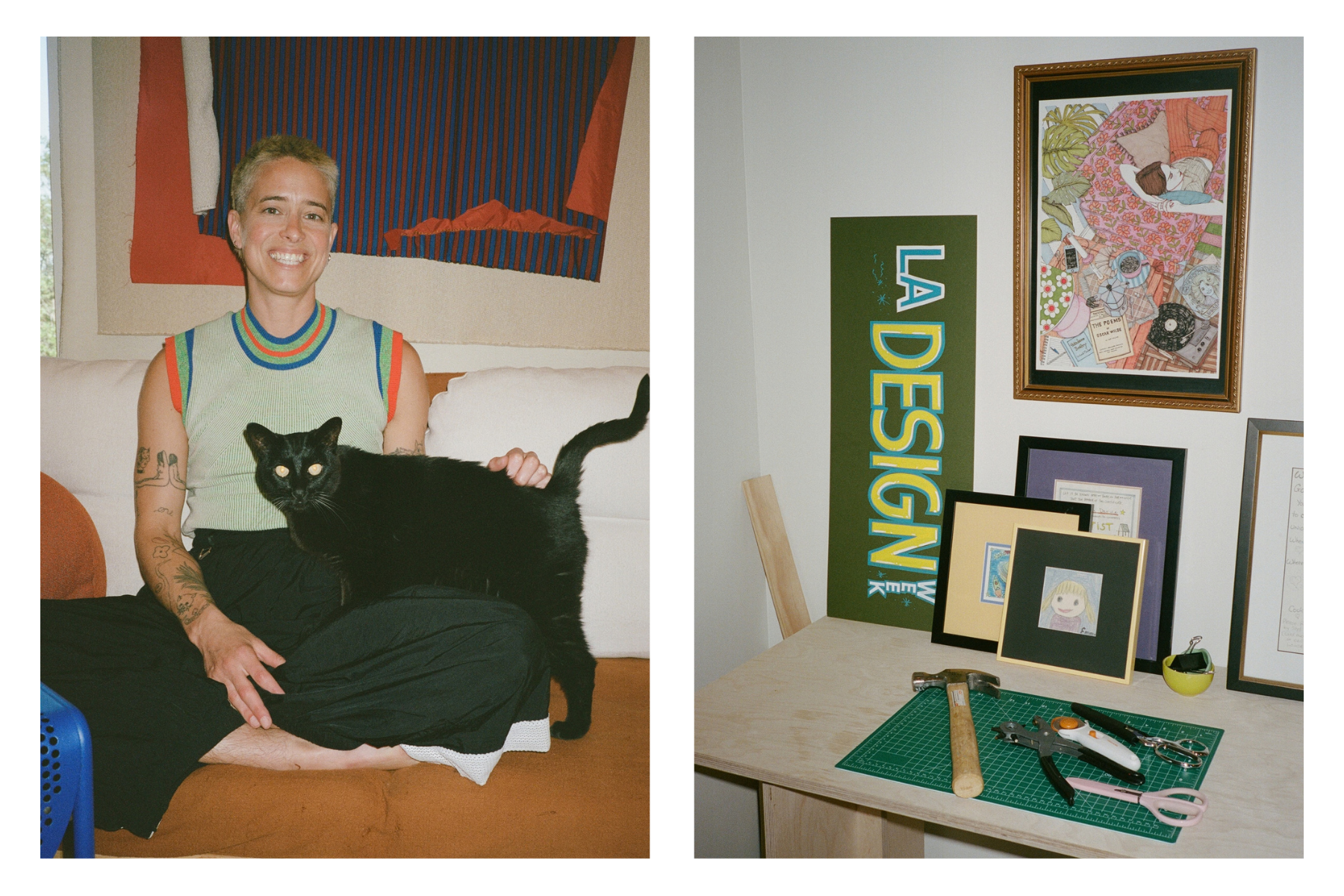
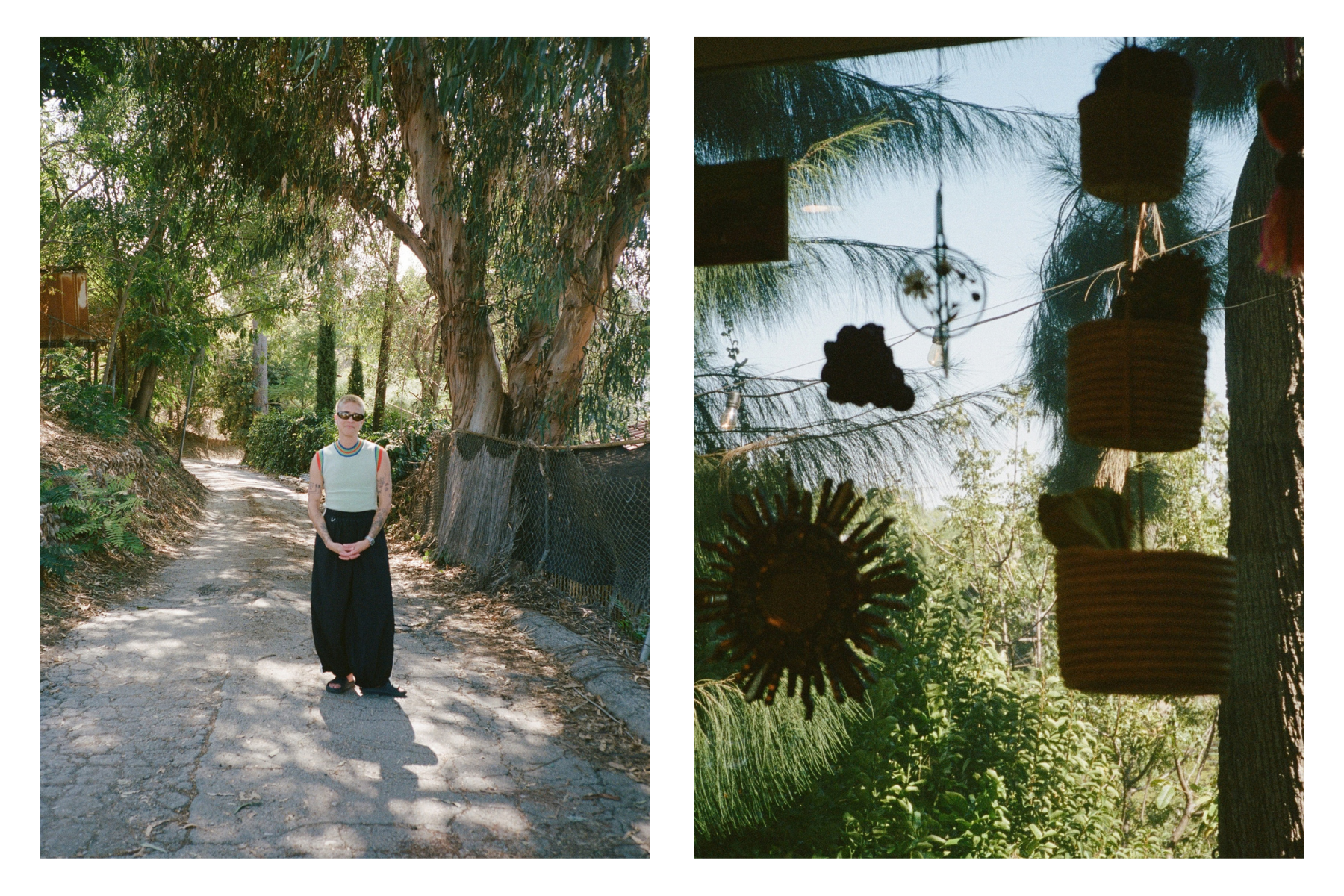
I met Holland Denvir when I moved into the house next door. We were neighbors for seven years, during which I watched them grow, evolve, and eventually create LA Design Week/end. Holland is someone with a genuine excitement for life — and for bringing people together — that is infectious. They are inclusive, warm, and seemingly always building a new community around whatever they love. I’m grateful to call them a friend.
Long before design became Holland’s profession, it was a way of creating small worlds of their own. At around eight years old, they began turning cardboard boxes into houses, constructing paper floors, stairs, and tiny pieces of furniture, then writing stories about the families who lived inside. “I felt safe creating this little contained world,” they told me. They were always making something: Sprite cans became painted vases and pencil holders; other ideas became CD racks and picture frames.
Some of this instinct came from Holland’s aunt Holly, their namesake, who taught them to decoupage and mosaic. Holly and her husband lived in the woods of North Carolina in a home that Holland remembers as “a magical explosion of color and craft,” filled with house pigs, other animals, and Barbie dolls with dinosaur heads hanging from the ceiling. To a shy, perfectionistic child growing up in Washington, D.C., Holly and her husband represented another way to live. Stranger, freer, and entirely one’s own.
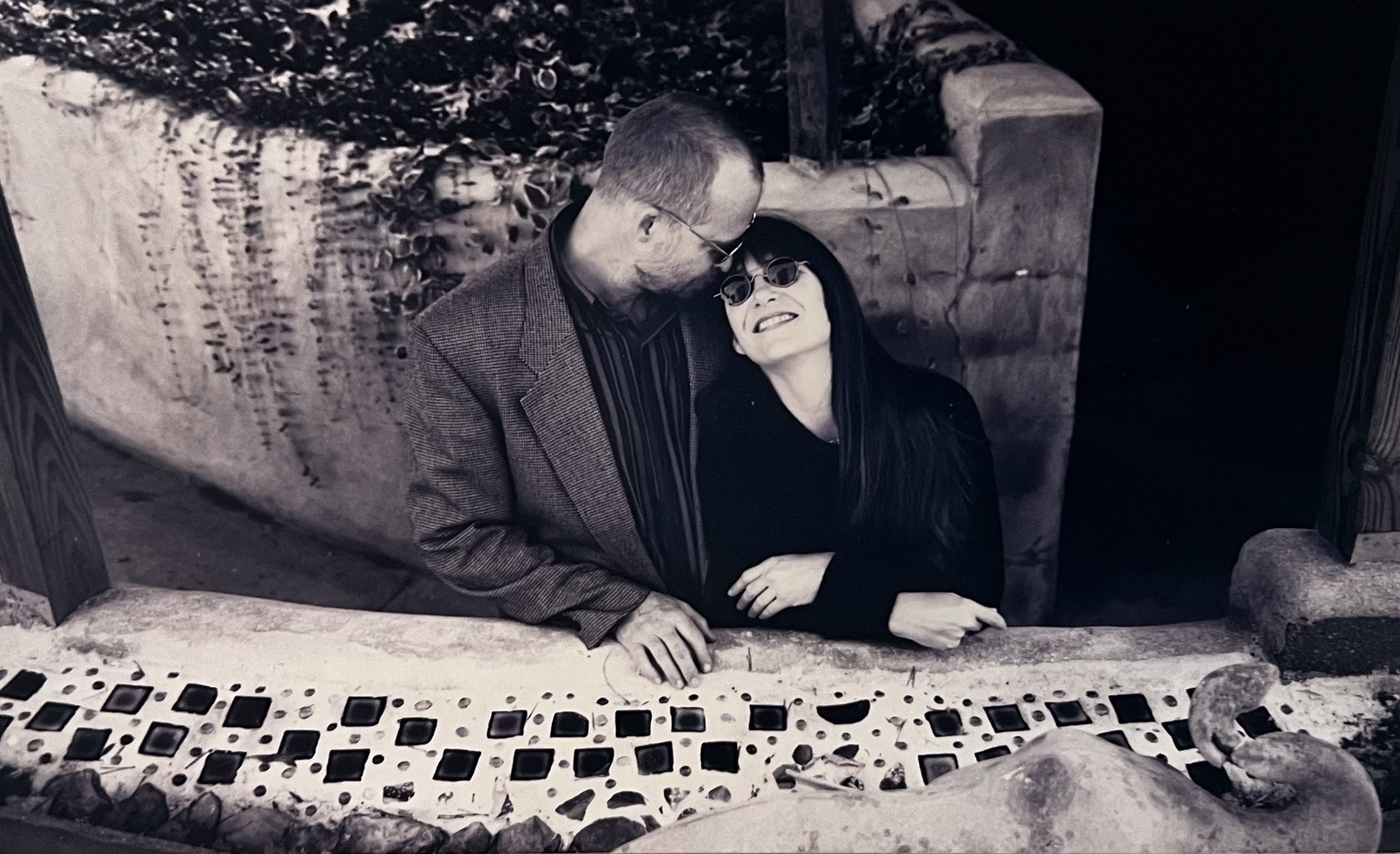
Holland now lives in El Sereno with many of Holly’s objects and materials. A piece of her artwork, driven across the country in 2012 but never previously given a proper place, finally hangs in Holland’s home. Her papers and broken tiles appear in an urn they recently made for the final Object Permanence exhibition. These objects are not valuable because someone else declared them timeless; Holland keeps them because they still feel alive. “I don’t keep something because I feel I should,” they said. “I keep it because I want to. What remains is purely gut instinct.”
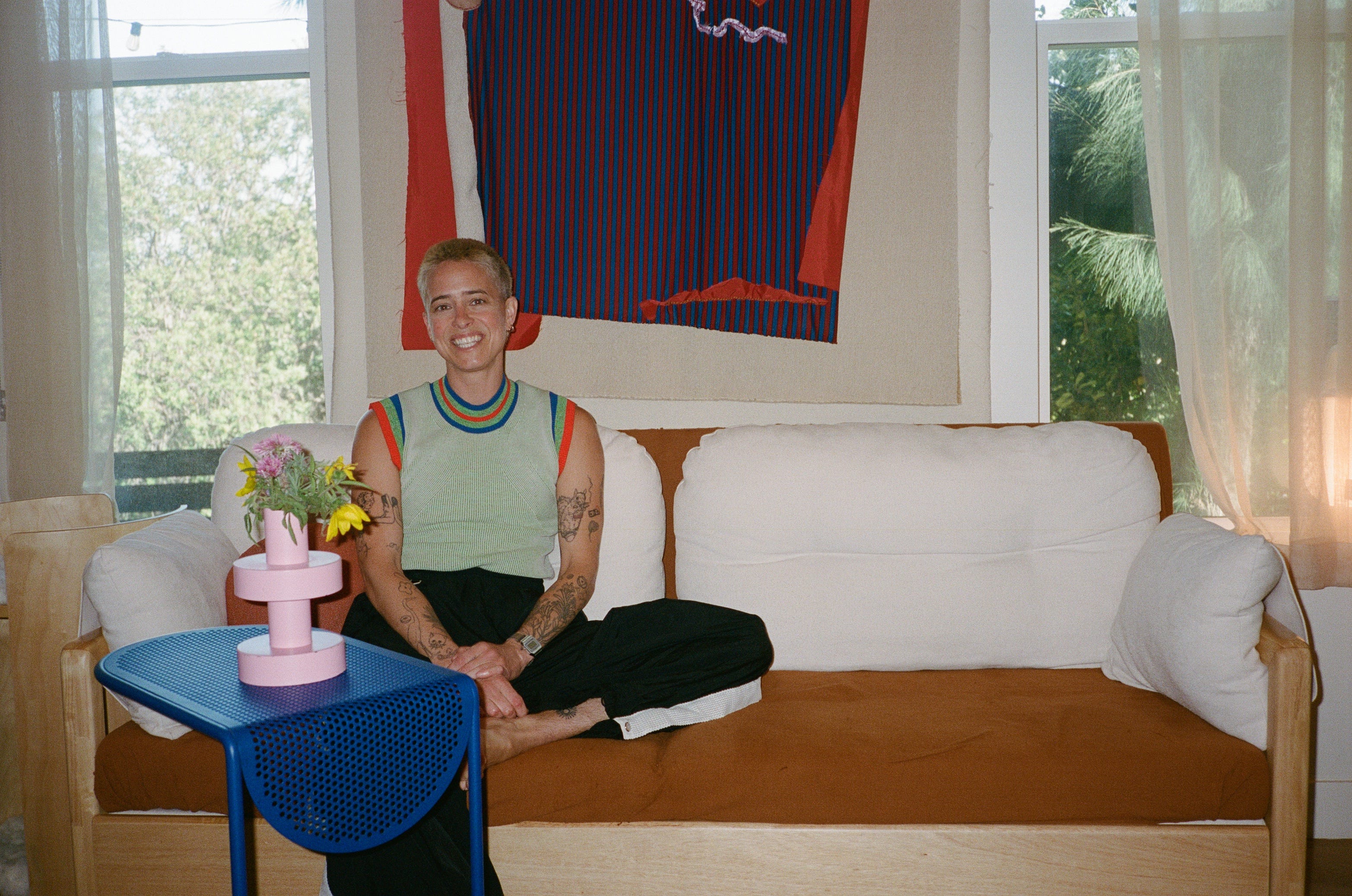
Holland originally moved to Los Angeles to attend ArtCenter, then dropped out after one semester. Soon afterward, they began showing their work at Unique LA, where a chance encounter led to their first interior-design job. They found woodshops, met other makers, and began building a career that has moved between furniture making, interiors, sales, business development, curation, and community building. Holland admits to having social anxiety, but design became the common language that made connecting with people easier.
An early precursor to LA Design Week/end was Object Permanence, the exhibition series Holland created with designer Leah Ring of Another Human. The idea began at a sterile West Hollywood showroom opening where they both agreed, simply, “We need something different.” Leah wished there were more opportunities for designers to show work in Los Angeles; Holland had access to a showroom and knew how to make things happen. Each exhibition invited a group of artists and designers to interpret a single object, beginning with candles. At the first opening, everyone lit their candle together. Holland saw the community that could form around design when people were given a reason and a place to gather.
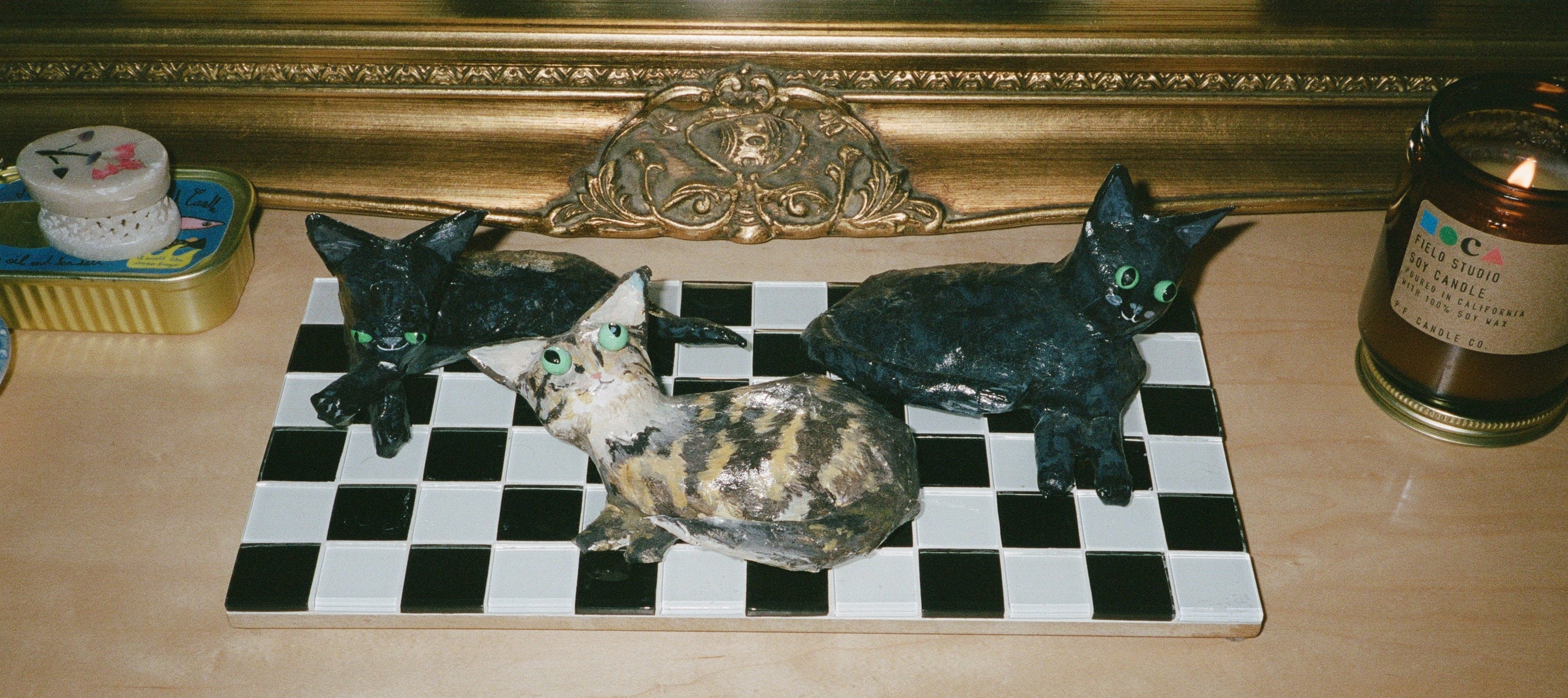
That impulse eventually grew into LA Design Week/end: a decentralized celebration of the designers, makers, studios, homes, and strange corners that make this city unlike anywhere else. It is also, for Holland, deeply personal. Los Angeles is where they built a career and a community, got sober, transitioned, developed a spiritual life, and assembled what they lovingly call their “cat family.”
“I’ve really grown up in Los Angeles,” Holland told me. “LA Design Week/end is my celebration of everything the city has to offer.”
Interviewing Holland on the eve of Object Permanence’s final show — fittingly devoted to urns — made clear that LA Design Week/end has been in them all along: the child building contained worlds, the maker giving overlooked materials new life, and the friend who believes design is more meaningful when more people are invited in.
For someone who has never experienced it, what is LA Design Week/end?
LA Design Week/end is a decentralized design fair that takes place across Downtown, the Arts District, and East and Northeast LA.
The key is the map and the fact that the week/end is intentionally contained. That isn’t because other parts of the city aren’t valuable or don’t have anything to offer. LA is simply so vast that I wanted the experience to be accessible. I wanted every moment you spent participating to be about discovery and connection, not sitting in your car in traffic; we can do that any other day of the week.
It’s also a progression. Each day centers on one or several neighborhoods, and events are planned around one another so you can experience many different things within a few hours. That creates a special energy that I often don’t feel in Los Angeles.
What did you feel was missing from more conventional design fairs, and why did you design LAD/W this way?
Los Angeles has so many independent designers and makers. I feel like, if there were a study, we would have a very high number per capita. A lot of other cities center legacy and heritage brands within their design industries. We need those brands; we need everyone for the ecosystem to work. But when I visit design fairs around the world, the center of attention is often brands that have existed for more than a hundred years and are billion-dollar businesses.
I don’t find that very exciting. Even when one of those brands collaborates with an “emerging” designer, I’m not necessarily discovering much. I’m seeing the same things repeatedly. That collaboration has probably taken five years to bring together and has been heavily trend-forecasted.
LA has an abundance of independent designers who are working on the same kinds of projects as those larger brands, especially within the commercial design industry I come from. A workspace or hotel project needs both independent designers and large manufacturers to bring it to life.
LA Design Week/end spotlights those independent designers alongside fine artists and local retailers. We also bring larger brands in to support the weekend and show what they’re doing, but they aren’t the focus.
Inclusivity is central to LAD/W. What does that look like in practice?
The barrier to entry for both participation and attendance is very low. Most events are free to attend. We also welcome people from within the design industry and people completely outside of it.
If you’re simply curious about design or want something interesting to do, you can have as fun and meaningful an experience as someone steeped in the industry. Other design weeks I’ve attended—in different countries and in cities like New York—are generally catered to the industry.
Our priority is, of course, to introduce independent designers to designers and architects who may purchase their work or specify it for projects. But it’s also about bringing the wider community into the experience. That creates a different energy. We aren’t only here for business; we’re here for connection. Hopefully sales and business development happen down the line, but that isn’t the purpose of the weekend.
Why was it important for Los Angeles itself to become the venue?
I didn’t want LA to have another design fair with a convention center as its focal point. For one thing, it’s inaccessible. Even at the lower price points, exhibiting is a huge investment when you don’t know whether you’ll receive a return. It can break an artist or designer’s year. It isn’t really there for them.
It’s also sterile. I knew we didn’t need that. People have asked us to establish a central location, and I’ve refused because that isn’t the point of how the weekend flows.
We spotlight the more industrial nooks of LA: places I’ve been visiting since I arrived here as a maker and woodworker, but that you may have no reason to enter if you aren’t in the industry. You visit the places where things are manufactured and see much more of the city than you ordinarily would.
Yeah. Well, even building upon that: something I really loved last year is that I would be in a neighborhood that I knew really well, but went into places I had never been. Brendan Ravenhill’s Studio, for example. I used to go to The Pottery Studio up the street every day for years, and I had no idea that I could walk into Brendan’s space and enter this whole other world. I think it unlocks parts of neighborhoods that you know already, too.
That’s very cool to hear. Yeah.
Can you elaborate a bit more on how seeing work in someone’s studio is different than the sterile atmosphere of a convention center or gallery?
Seeing a designer’s work in their studio instead of a showroom or convention center is night and day. It’s very difficult for someone’s soul to remain alive in a convention center. Even the most beautiful handmade object loses some of its life.
In a studio, the designer or maker is there. You feel their passion, you’re standing where they spend most of their time, and the work is in its natural habitat. It’s like being in the wild instead of at the zoo. It couldn’t be more different.
You obviously live on the east side — you have for years — but how do you decide which neighborhoods to focus on? This year when you expanded, how did you decide the expansion? And in the future is there a world where it would be like two weekends and one weekend is the west side?
No. And people have asked us to do it twice a year and I'm like, “No.” My end goal is that LA is a global design destination, and to do that, it needs to be very focused.
I didn’t mean two separate weekends in a year. I meant two weekends back-to-back.
I know. Same answer. I want people to come here for a dedicated amount of time and have this blast of an experience.
In terms of the geography, initially, it was where I was, where my friends were, and where we were making things; that was the obvious place to begin.
The first year was manageable, and I saw firsthand what it looked like to be successful at a smaller scale. As we’ve expanded, my primary concern has been not losing that energy. Anything that could throw it off geographically feels too risky. It also isn’t fun for the hosts.
It’s very important to me that hosts feel their investment was worthwhile. If you’re too far outside the map, you won’t receive the attendance that someone on the map will receive through foot traffic. The more hosts there are in one area, the greater that foot traffic becomes. It’s math. We’ve had to reject people who were too far outside of the geographic footprint because it wouldn’t have been a good experience for them or for the few people who made the trip.
But we haven’t rejected anyone because of what their business is. If you want to open your doors to the public and share something cool, go for it. The audience can decide what they want to see.
Oddballs, and dreamers, and builders. That's always been one of my favorite parts about the LA architecture world is you have 20 different types of architecture in one neighborhood.
I’m not the arbiter of taste. I have my own taste, and you’ll see it in the things I photograph or choose for myself, but that doesn’t mean my taste is better than anyone else’s. LA is such an eccentric city. People freely express their individual style in their clothing, their homes, and their work. In some cities, everyone can begin to look or make their homes look a certain way.
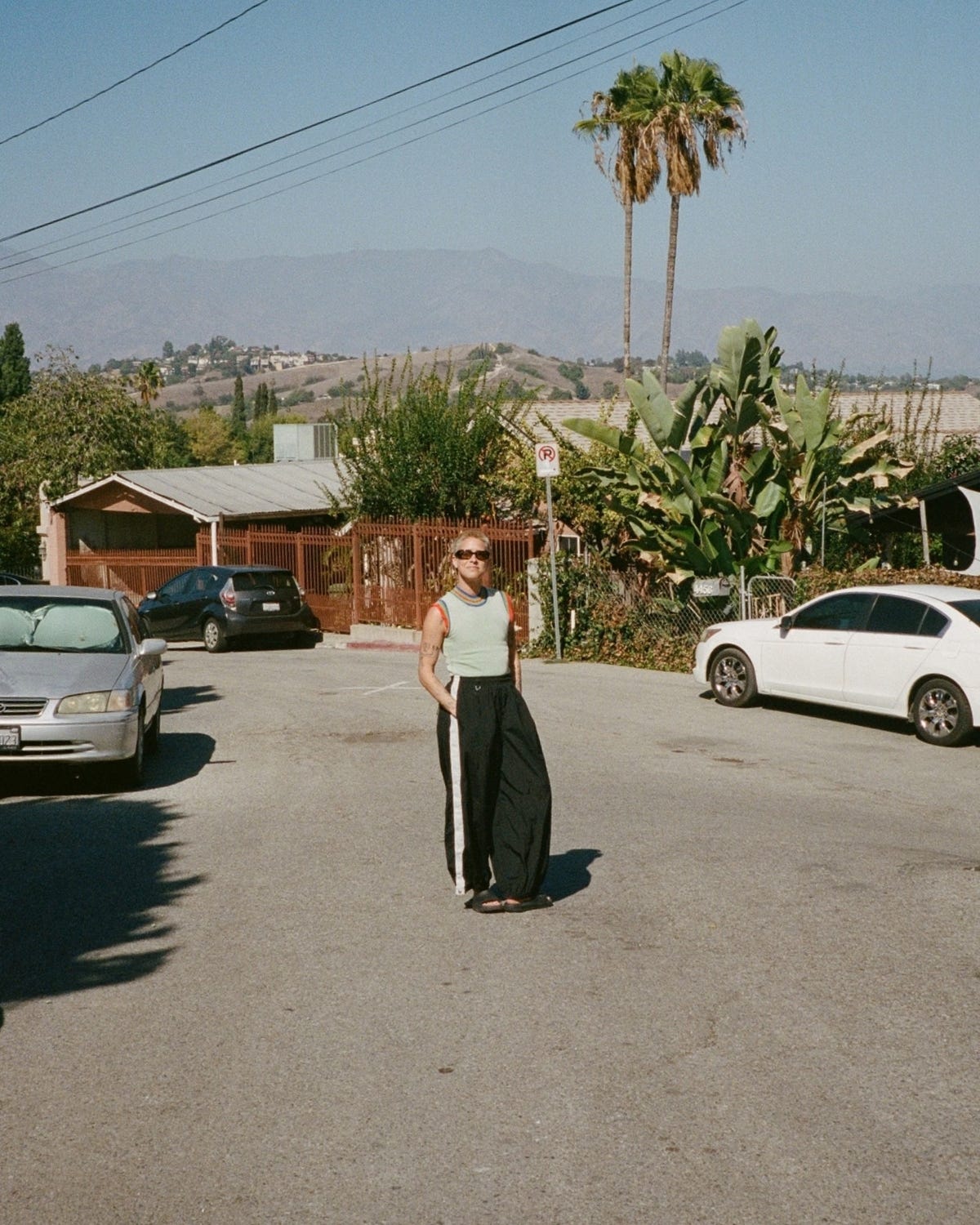
I remember you first mentioning the festival three years ago at a new moon ceremony; you were at my house, and you were like, "It's happening in a couple of weeks. I'm so nervous.” And here we are, three years later. You've grown the festival a substantial amount. Can you talk about the growth of LAD/W?
Most of the growth has been organic. We seem to have tapped into something that was deeply needed and wanted in LA.
I’ve started many businesses that “failed” — not that failure is necessarily a bad word; they simply weren’t the right things for many different reasons. They were painful to pursue. I don’t enjoy many aspects of making a brand grow, like marketing. But this became a groundswell that took over.
The first year, I was so nervous. I thought maybe 500 people would attend the 46 events, and 8,000 people came. The second year had 120 events and 12,000 attendees. This year, we have around 140 events, and I have no idea how to estimate attendance.
I think people feel the community-oriented nature of it and want us to win. Participants and attendees alike want it to succeed. That creates a palpable energy I haven’t experienced at another design week, or really anywhere else.
Well, it's also fun, and I feel like as somebody who knows you personally, it's such a reflection of you and your energy and who you are and your values, and I feel like that comes through.
Yeah, thank you.
It really does; it's you in an event.
Thank you. I never plan to get married, and the first weekend of the first year of LAD/W felt like my wedding. It was so fun; I cried tears of happiness, which I had never done in my life.
That’s so sweet, Holland.
People’s gratitude was so deep and heartfelt. That encourages us to keep going because it isn’t a walk in the park. This still isn’t my job; it’s a passion project, and I have many other jobs. It’s difficult to do this so scrappily, but the weekend itself keeps us going.
People make new, lasting friendships. People have fallen in love. We want to make a bumper sticker that says, “I fell in love at LAD/W.”
I love that idea; I would wear a t-shirt or a hat. As the event grows, what are you most determined to protect?
The map, the accessibility, and the fact that anyone can participate.
Those are some of the things I’m most stubborn about. People have told me I should stop doing them, and I refuse. I can be influenced by people who are more senior or who I think know better, but with this, I’ve always thought, “No, you’re wrong.” It is never the right thing to become more exclusive.
Art and design are subjective. People have their own tastes and can make their own decisions. We establish the groundwork, and everyone else can figure out their own experience.
One of my favorite things happened last year. Several curators reached out about hosting shows after attending the first year. Many were young women of color who said they had never felt welcome in the art or design worlds. Even when they were technically invited to an event, they didn’t feel as though they belonged.
They felt so welcome at LA Design Week/end that they wanted to participate themselves. We encouraged them, and the cost was accessible. That is extremely important to me. It is the opposite energy of design weeks that are fundamentally pay-to-play.
What are you particularly excited for people to experience this year?
One is the open call, which is my passion project within this larger passion project. We opened applications to anyone in the world who wanted to submit art or objects. The fee was kept very low — $25 per piece — and we do our best to include everyone in a show.
This year, we have five or six open-call shows and are exhibiting approximately 80 percent of the work submitted. Guest curators organize the shows, many of whom have never curated before or have only done it once. We give them a small stipend and find them gallery spaces that have been loaned to us at little or no cost. It’s a beautiful community spirit coming together.
I’m passionate about supporting emerging designers because I didn’t feel supported when I was trying to enter the industry. I felt terrible. Most companies that say they support emerging designers are actually supporting established designers. If people don’t come from design or money, the barrier to entry can be too great. We’re trying to change that and give people visibility they may not otherwise receive.
Music is also a significant focus this year. We’ve partnered with dublab and have two dance parties, including a large party at Small Green Door in Boyle Heights with multiple DJs and two dance floors, one in a bunker.
It’s also the year of the group show. I have no way of grasping how many artists and designers will be represented because we know which shows are being hosted, but not always every person being included. There may be 500 artists to discover. Again, that is very different from other design fairs.
A bunker? What do you mean?
It's above ground, but it's for sure a bunker. And there will be DJs all night till 2AM — and tattoos and art workshops. I do want to say that I think I'm the first design event to have had tattoos eight years ago at Hemfest, and now everyone has them — and I just want to say I did that.
What do you hope remains after the weekend ends?
Friendships and connections seem to be what people hold on to—as well as the memories. It’s incredibly fun to have this intense period together.
It also isn’t drinking-fueled, which many design weeks are. Because I’m sober, that isn’t how I approach events. You’ll probably remember a lot of the weekend, which is notable.
The new connections people make — whether socially or professionally — can last for a very long time.
Who else makes LA Design Week/end possible?
megan mcneer is my co-founder and the Creative Director. She’s responsible for everything you see visually: the zine, the Instagram, and the visual personality of the brand. That is entirely meghan’s personality, although we’re best friends and have a lot in common.
Emily Ibarra is our Executive Producer, and has become one of my best friends through working together on LAD/W. We have many volunteers who contribute their particular skills. Someone new joined this year who had never attended the weekend but wanted to become involved. They helped with our more technical needs and saved the day with our Luma setup.
I’m not afraid to ask people for help. I’m constantly asking, “Who can do this thing that we can’t do ourselves?” The goal is for all of us to be paid well for our time in the future. In the meantime, people’s generosity has made the weekend happen.
That is how it began. I told a few people that I wanted to do it, and within two weeks, we had a call with 20 volunteers. I remember thinking, “What is happening?”
OK, last question: what does a sanctuary mean to you, and where do you find that feeling in Los Angeles?
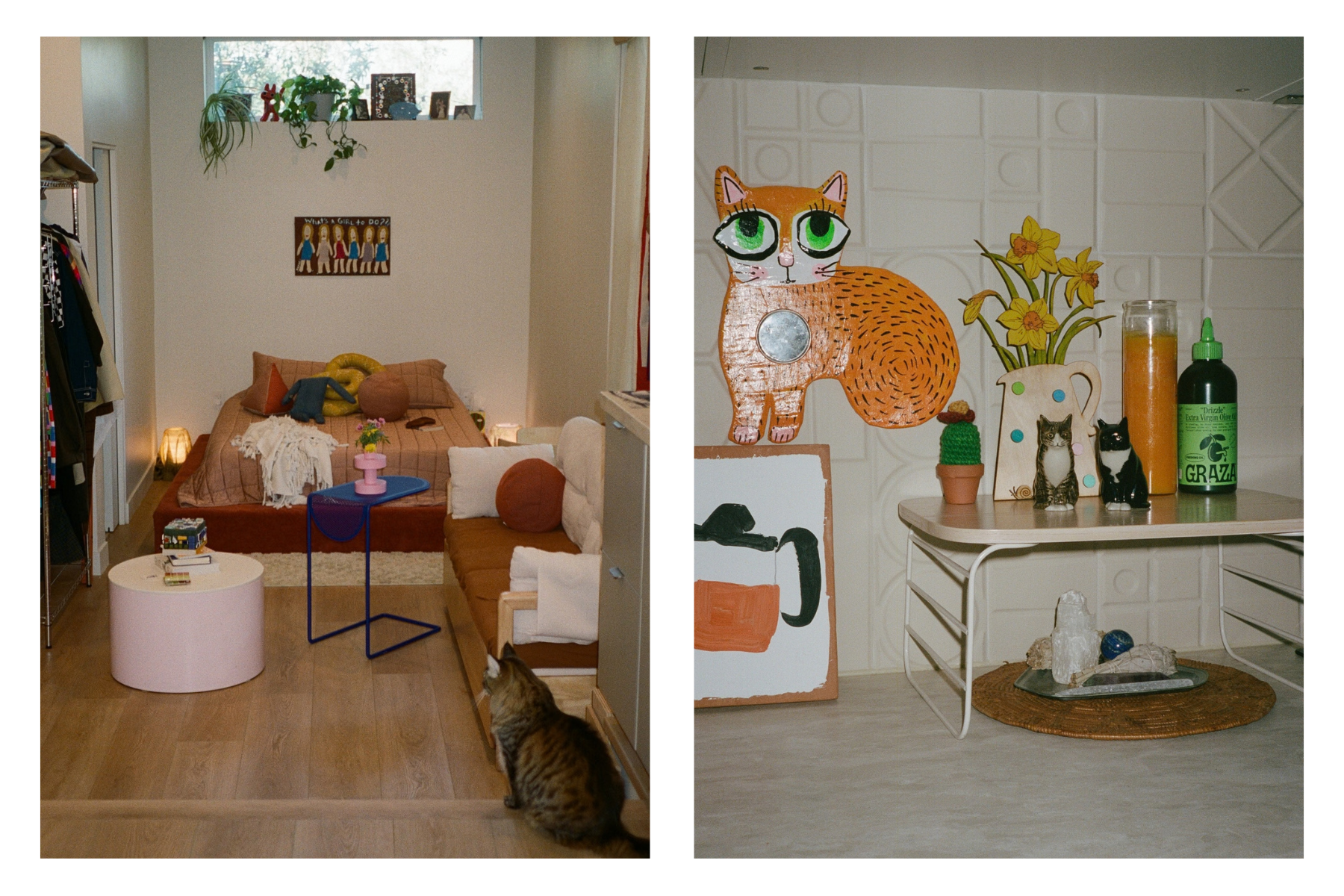
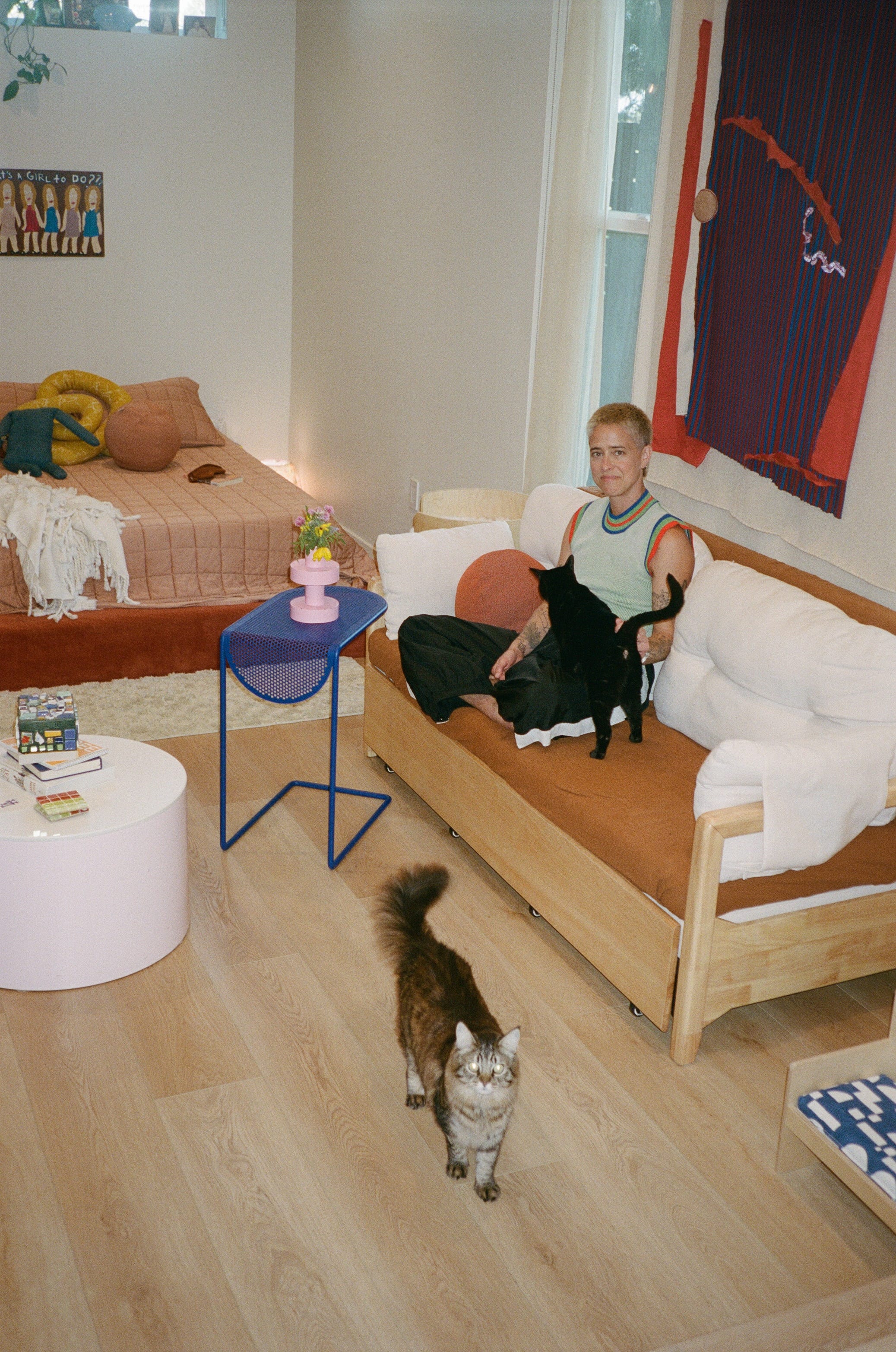
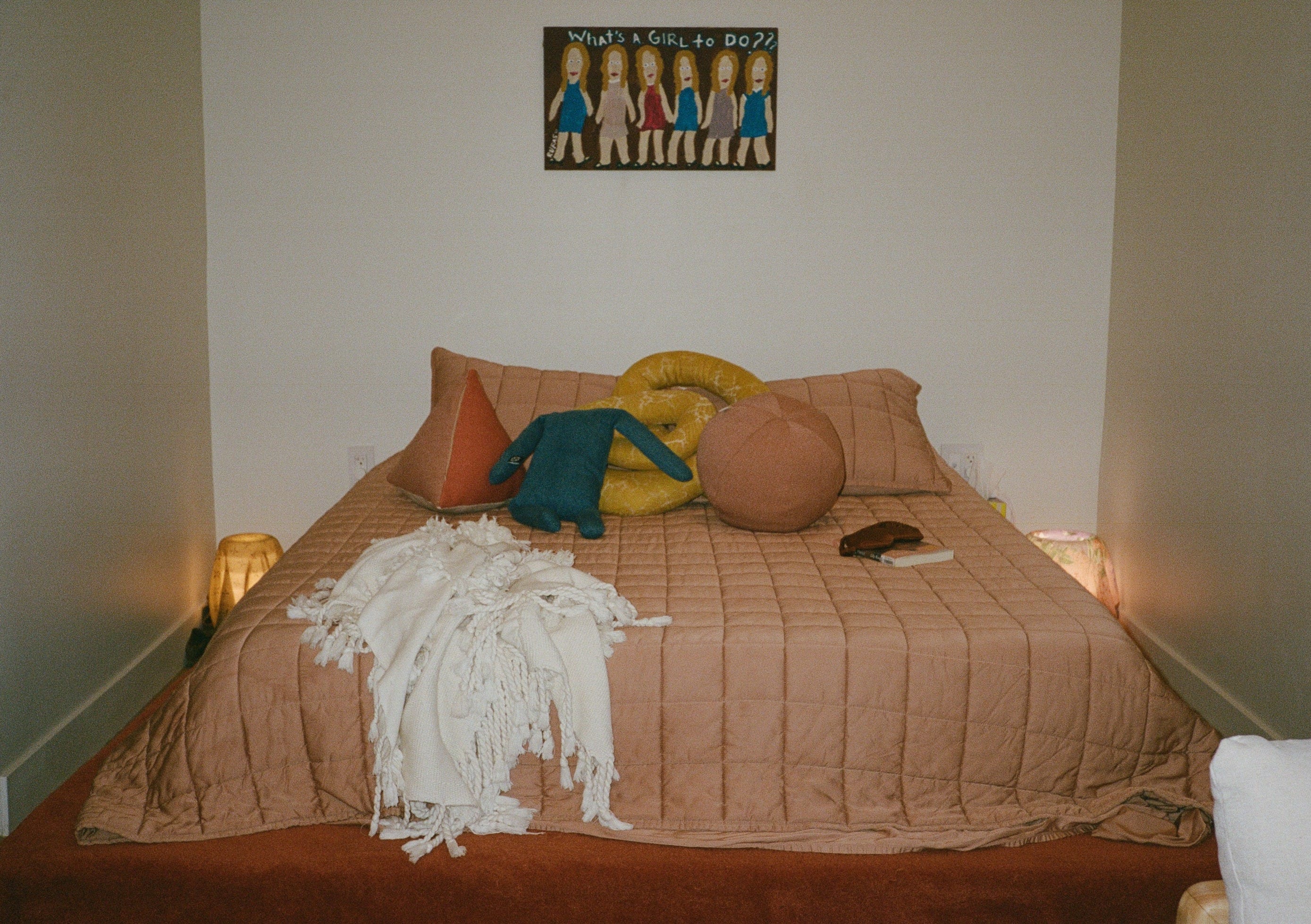
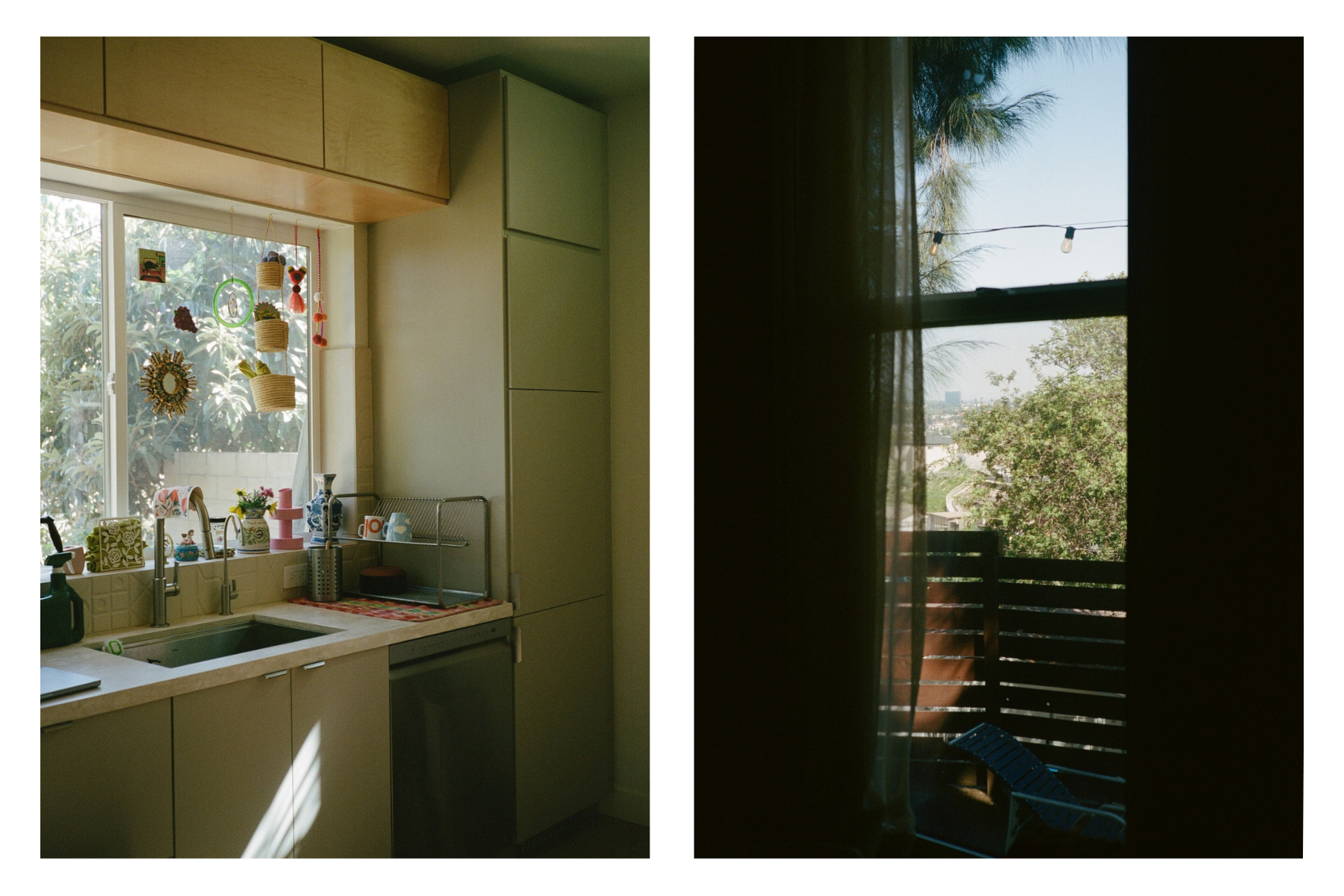
I’m happy whenever I approach my door. Because it’s a studio, I can see my entire home at once.
A sanctuary is about safety. It makes me feel happy. I work here a lot, but I can also rest here. My cats are, for the most part, happy here.
WiSpa is another sanctuary for me. I go often, and it creates a guaranteed energy reversal. If I enter feeling anxious, depressed, or angry, it will flip that feeling, whether temporarily or for longer.
Twelve-step meetings are a sanctuary, as are the friends and fellows I’ve met through different programs. I hike frequently, especially now that I live near Ascot Hills. Coffee shops are also sanctuaries. I love the routine of buying coffee and talking to the barista.
I used to need longer retreats because my life was so chaotic that I could only find peace by leaving and getting off the grid. My life is now much more balanced. I don’t need those trips in order to be okay. I rely more on daily resets. I meditate every day and have an entire morning routine.
I’m happy to report that I don’t need to leave my life to find peace anymore.
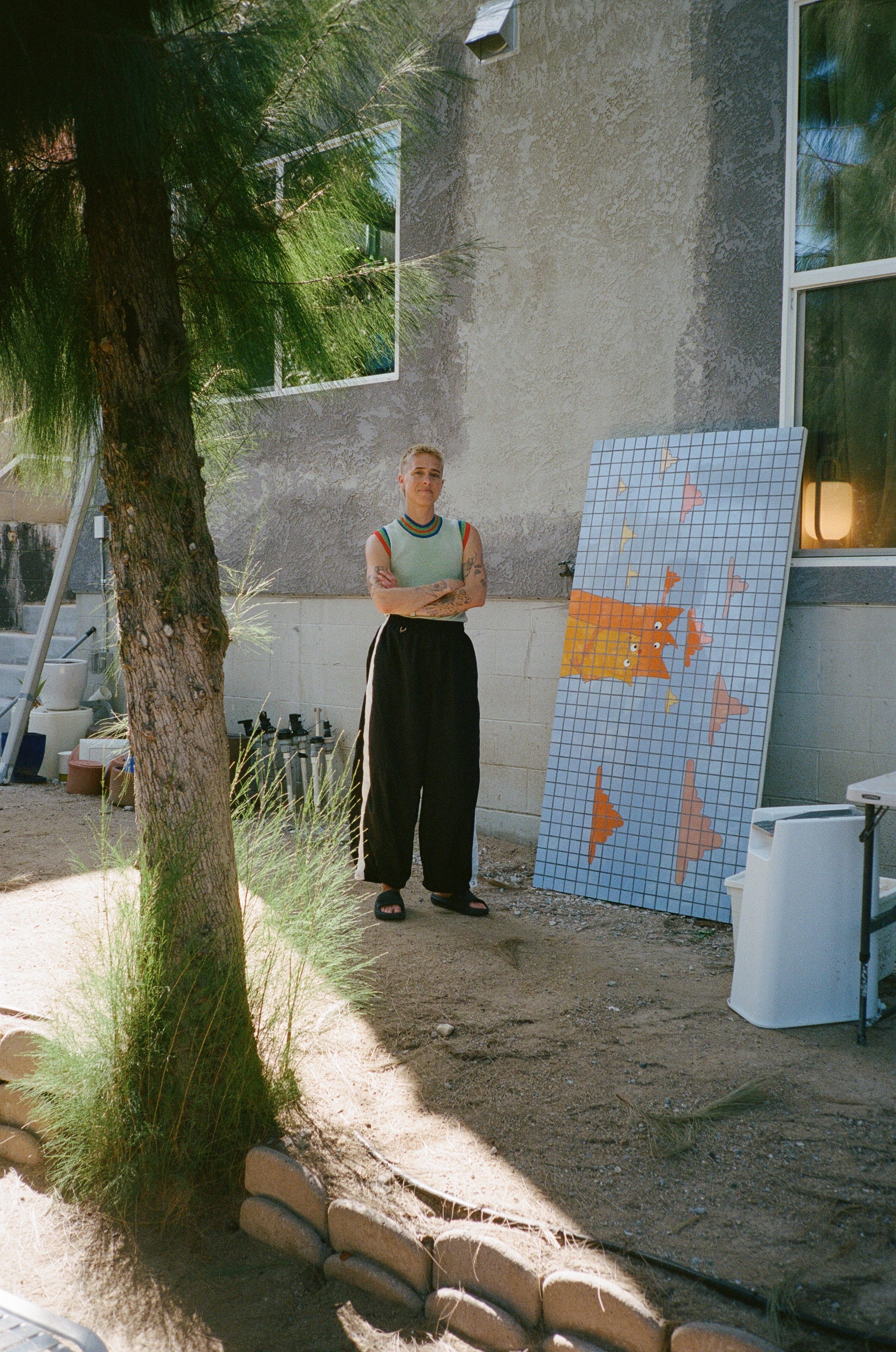
Visit LA Design Week/end starting this Wednesday, September 30th, thru Sunday October 4th.
Browse & sign up for events here — & view the map here.
This interview has been edited and condensed for clarity and length.
love this! what a beautiful home tour and interesting interview!