


SANCTUARIES LA EXPLORES THE QUIETER SIDE OF LOS ANGELES THROUGH DESIGN.
ROOTED IN THE BELIEF THAT SANCTUARY EXISTS EVERYWHERE, OFTEN HIDDEN IN PLAIN SIGHT.
IF YOU ENJOY THIS PUBLICATION, CONSIDER SHARING IT WITH A FRIEND.
PHOTOGRAPHY BY SHELBY NICO DIAMOND
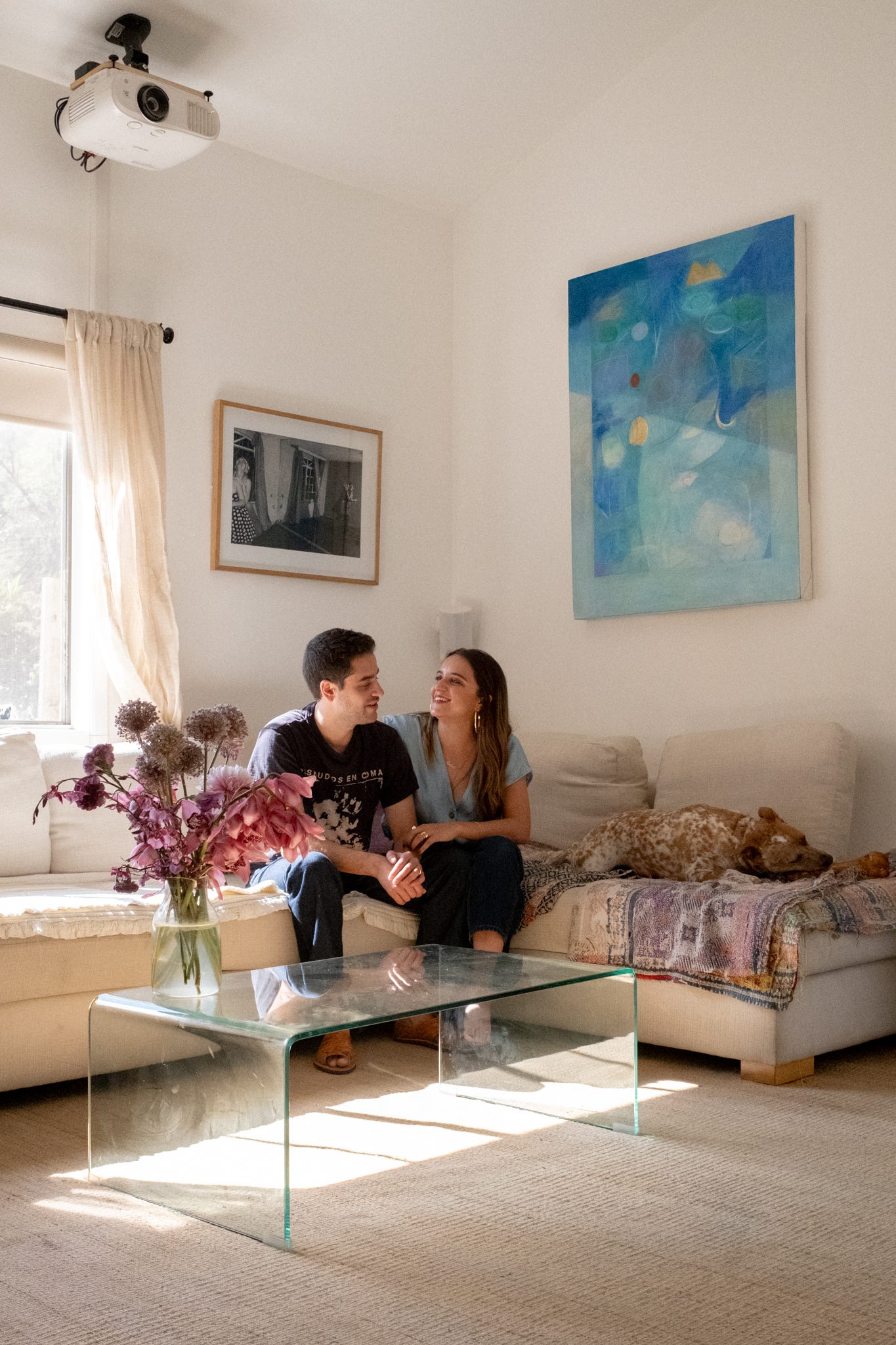
Mount Washington sits just above the city but feels distinctly removed from it. The streets narrow, the air shifts, and the landscape begins to take over. Houses are tucked into hillsides, partially hidden by trees, shaped more by terrain than trend. This is where filmmakers Isabel Castro and Jamie Gonçalves have built their home.
Neither of them are from Los Angeles, but the city has become something more permanent than a stop along the way. What began as proximity and circumstance has settled into something quieter, more rooted.
Their story begins, like many in Los Angeles, through work. Isabel was filming her first feature, Mija, and Jamie moved to LA to be with her. “We met during a Zoom meeting and fell in love after a month of constant conversation,” Isabel recalls, in a way that feels distinctly of its time. “Neither of us are from LA, but find ourselves happily here.”
At the time, Isabel was living in Highland Park, just a few minutes from where they are now. Mount Washington revealed itself slowly, through walks and repetition. The appeal was immediate but practical: “We love the quiet and proximity to bars and restaurants and hikes and nature.”
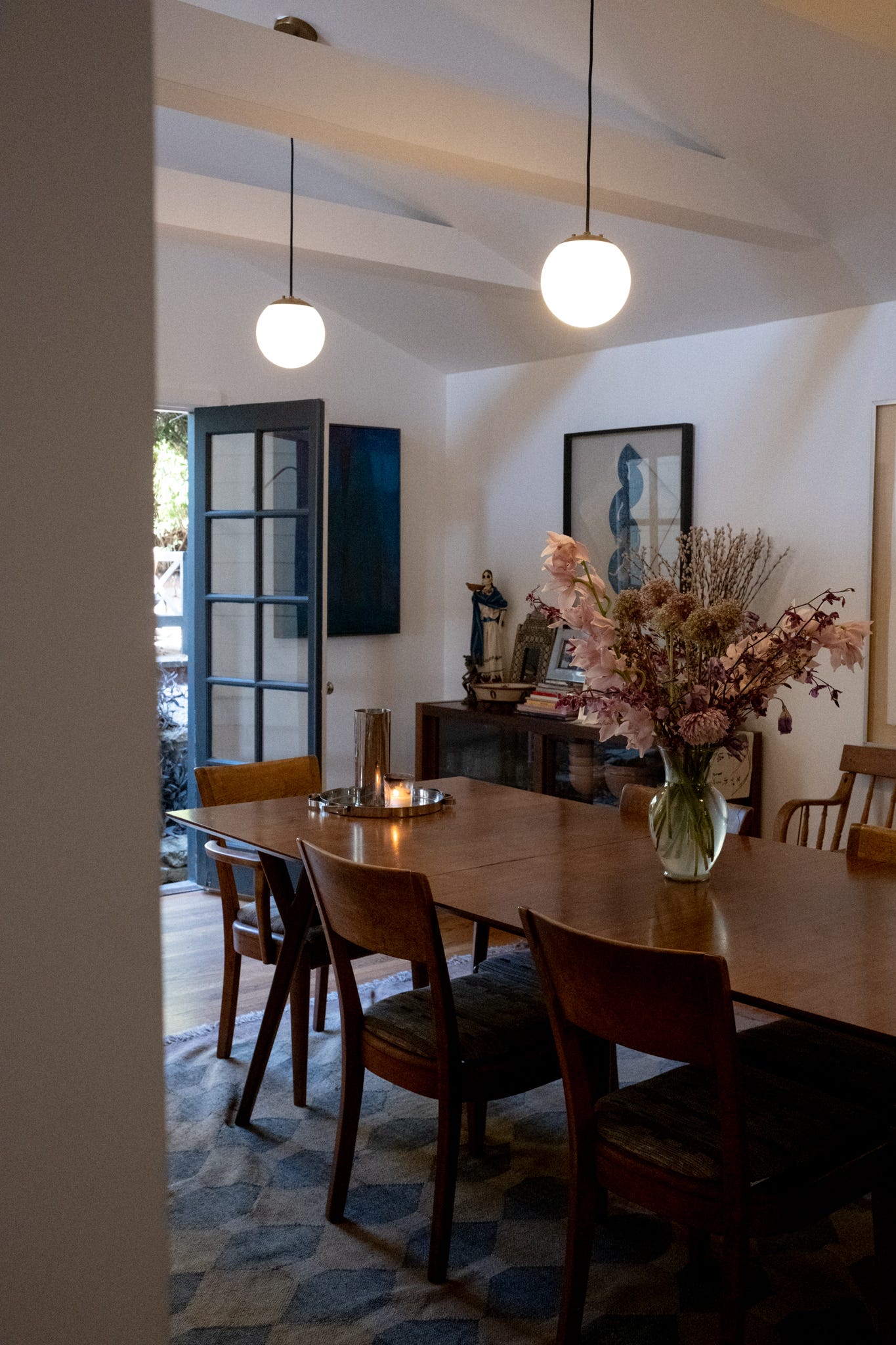
Mount Washington has a particular kind of stillness. It is not isolated, but it feels removed enough to allow for a different pace. Isabel shares, “We love the textures. We wake up to morning fog, nestled in the hills, seeing lots of trees, hearing birds.”
Over time, that sensory experience has deepened into something more internal.
“After three years of living here, it now smells, sounds and feels like home: a place we’ve created together that we can return to after travel and rigorous work.” For Isabel and Jamie, home is not separate from work. It’s part of the ecosystem that supports it.
Isabel is a Director, DP, and Photographer. Her most recent feature is a deep dive into icon Selena in the Netflix feature Selena y Los Dinos and she recently wrote & shot a poignant and timely piece for The New York Times titled How the ICE Raids Are Warping Los Angeles. Jamie is a Producer whose recent documentary, Predators, examines the ethical complexities surrounding To Catch A Predator and its many imitators. Just this week, the couple released a short film - produced by both of them and shot and directed by Isabel - for The Guardian about a man self-deporting from Trump’s America, titled Abel Leaves LA.
Both filmmakers work with heavy subject matter, and their home functions as a necessary counterbalance. Their work reflects that tension.
“Isabel’s deeply inspired by LA in her work; her first feature and next two films are grounded in Los Angeles,” says Jamie. They both explore the history and multiplicity of the city. Jamie’s built community that has bolstered and facilitated the work he champions.
The house becomes both a retreat and a point of return. A place to process, reset, and continue.
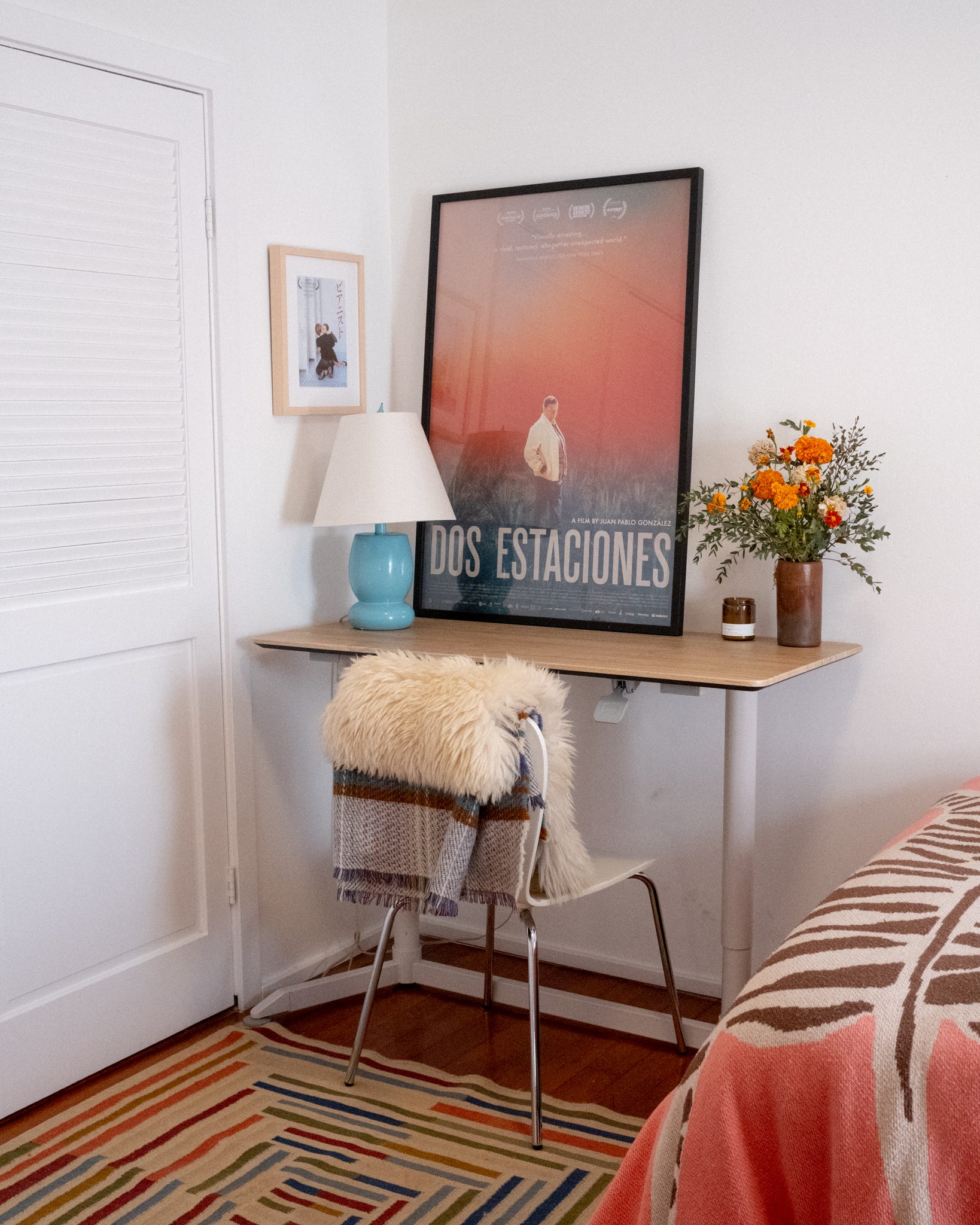
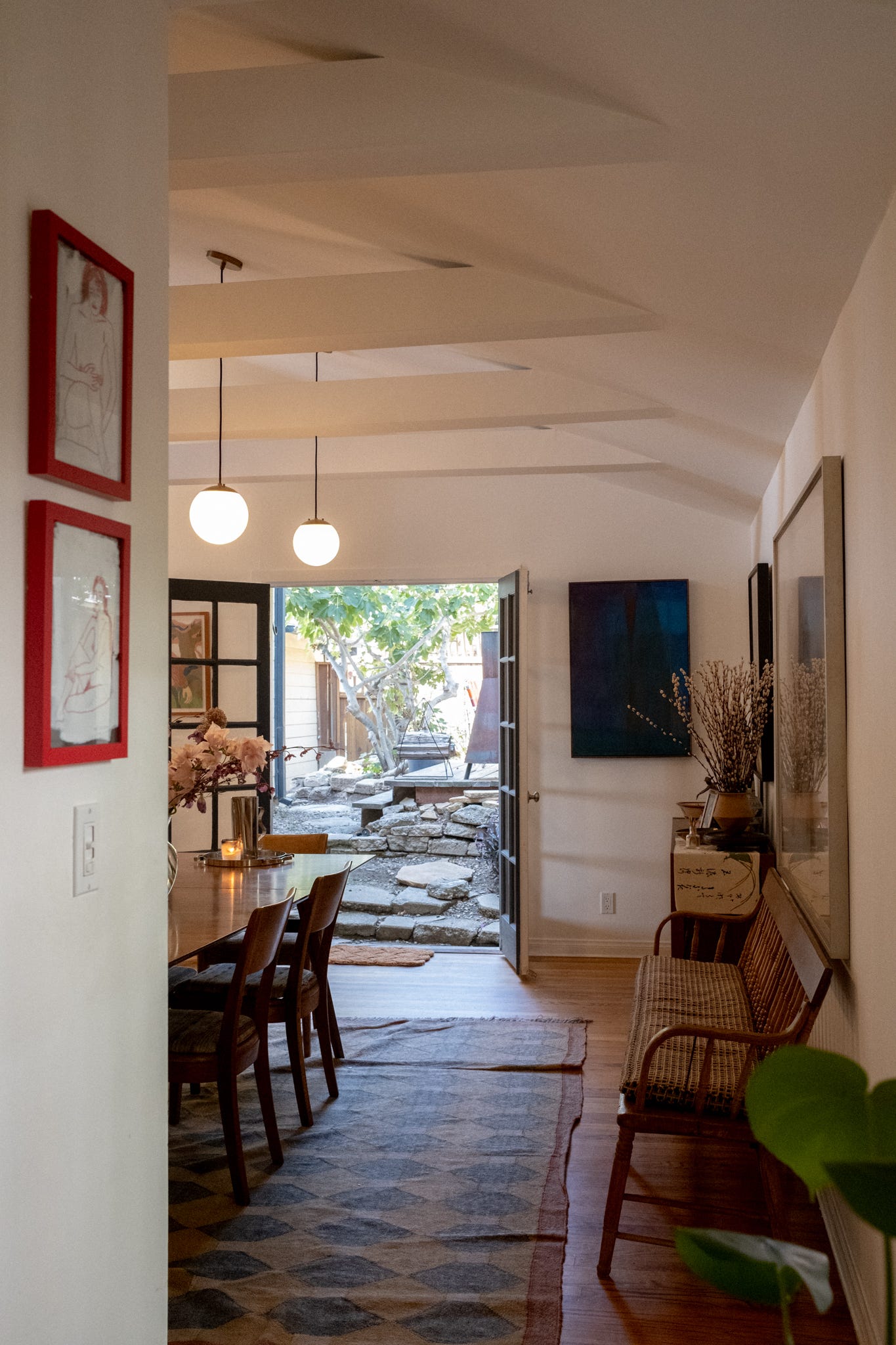
When they found the house, the decision came quickly, but the reasons were layered. Isabel loves light. Jamie needed space. “This house had both, but the thing that made us fall in love with it was its history,” shares Isabel.
The home carries a lineage that feels aligned with their own values.
“The home is owned by a former Los Angeles Times reporter who writes about immigration, incarceration and mental health. We met and connected instantly, and have now bonded over our shared love of this small nook in the world.”
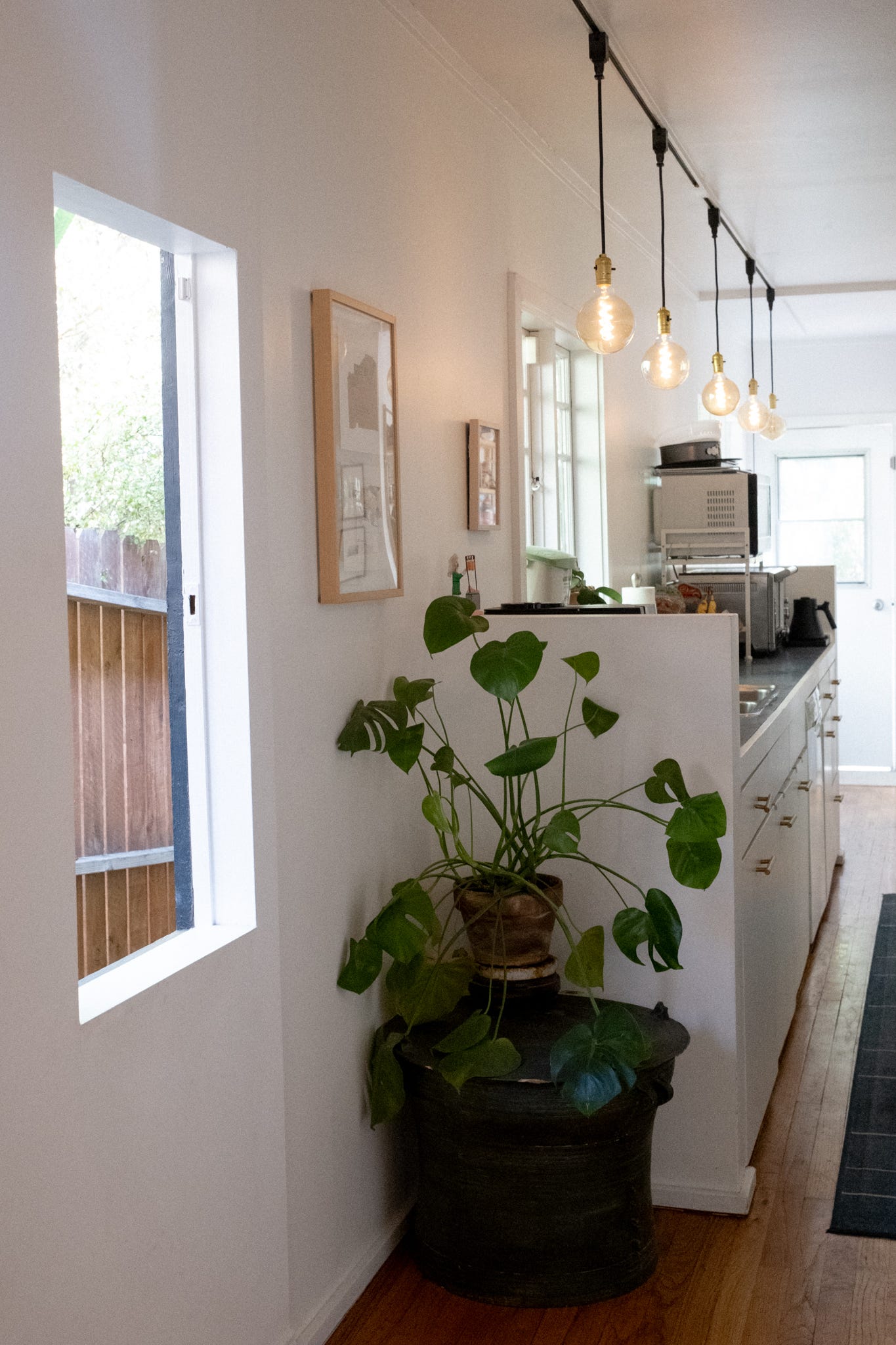
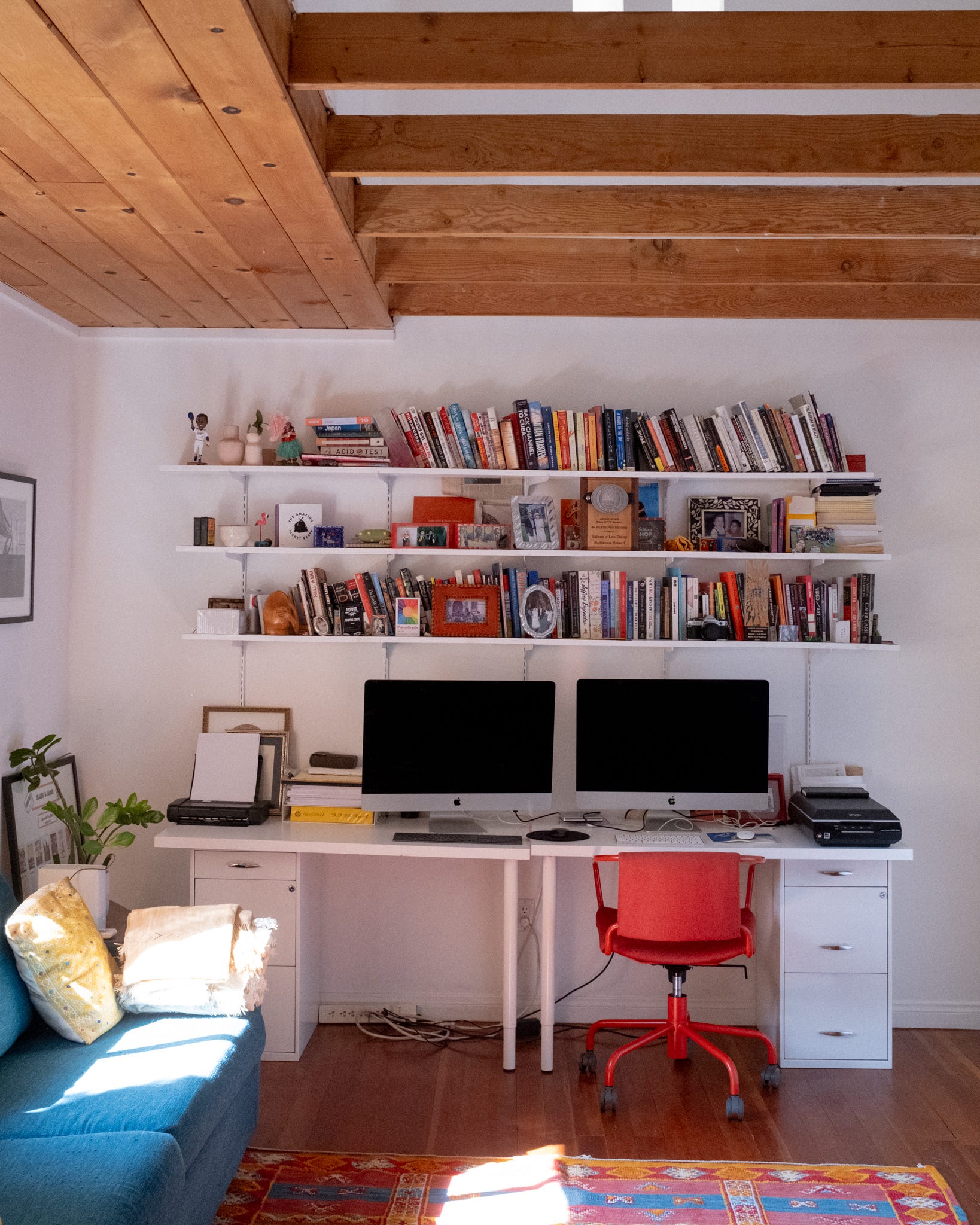
The feeling of the space is immediate and consistent. “It’s peaceful and warm,” says Jamie. That simplicity carries through the way they’ve shaped it. “We have photographs and art from our friends, family and artists that we admire throughout the house. We have shelves in our living room that showcase mementos of meaningful events in our lives.”
The objects are specific, but they function collectively as a timeline: a sign of when Isabel first picked up Jamie at the airport, a jewelry box belonging to Jamie’s grandmother that he proposed with, photography books that have inspired Isabel’s work.
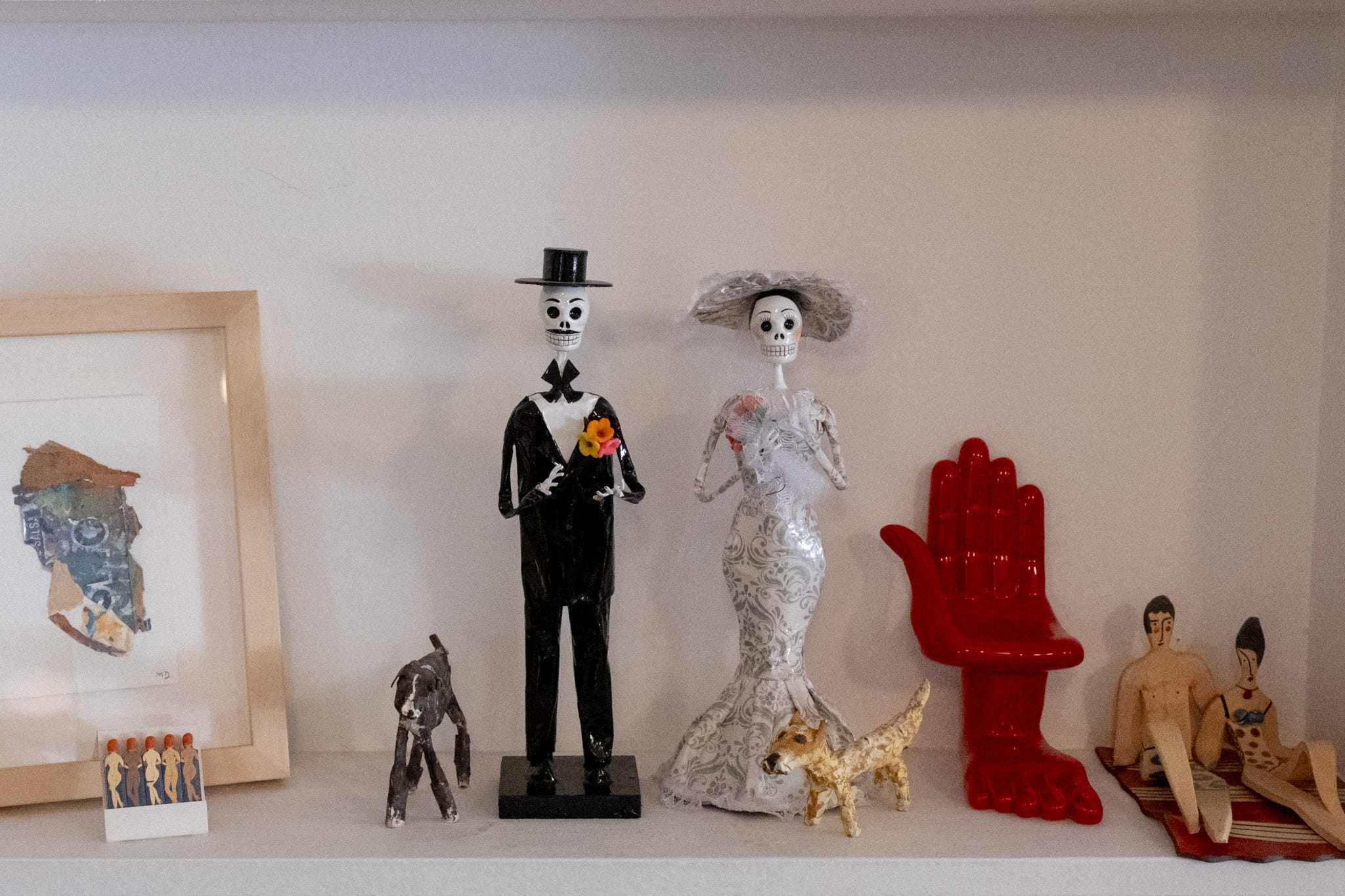
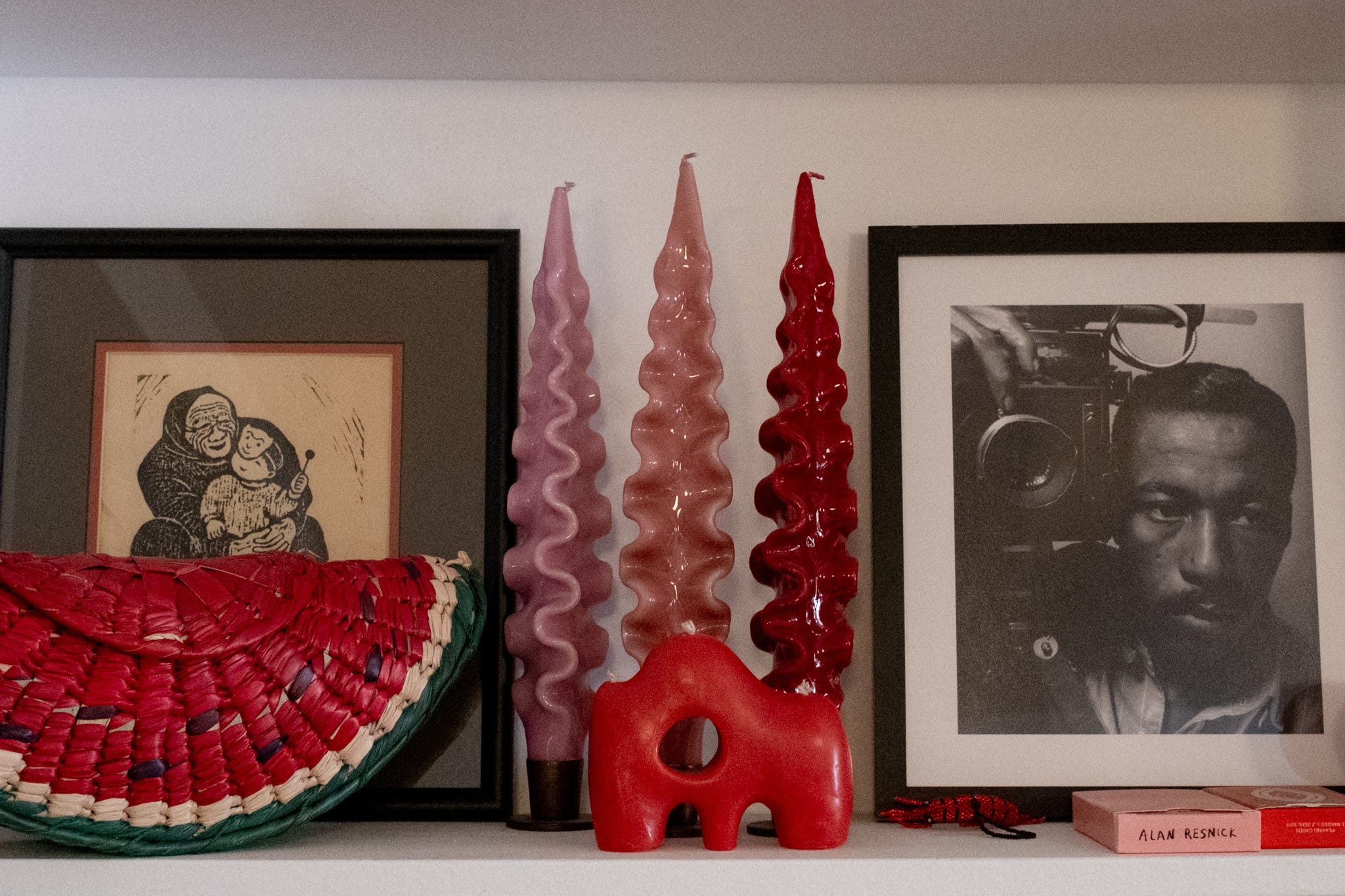
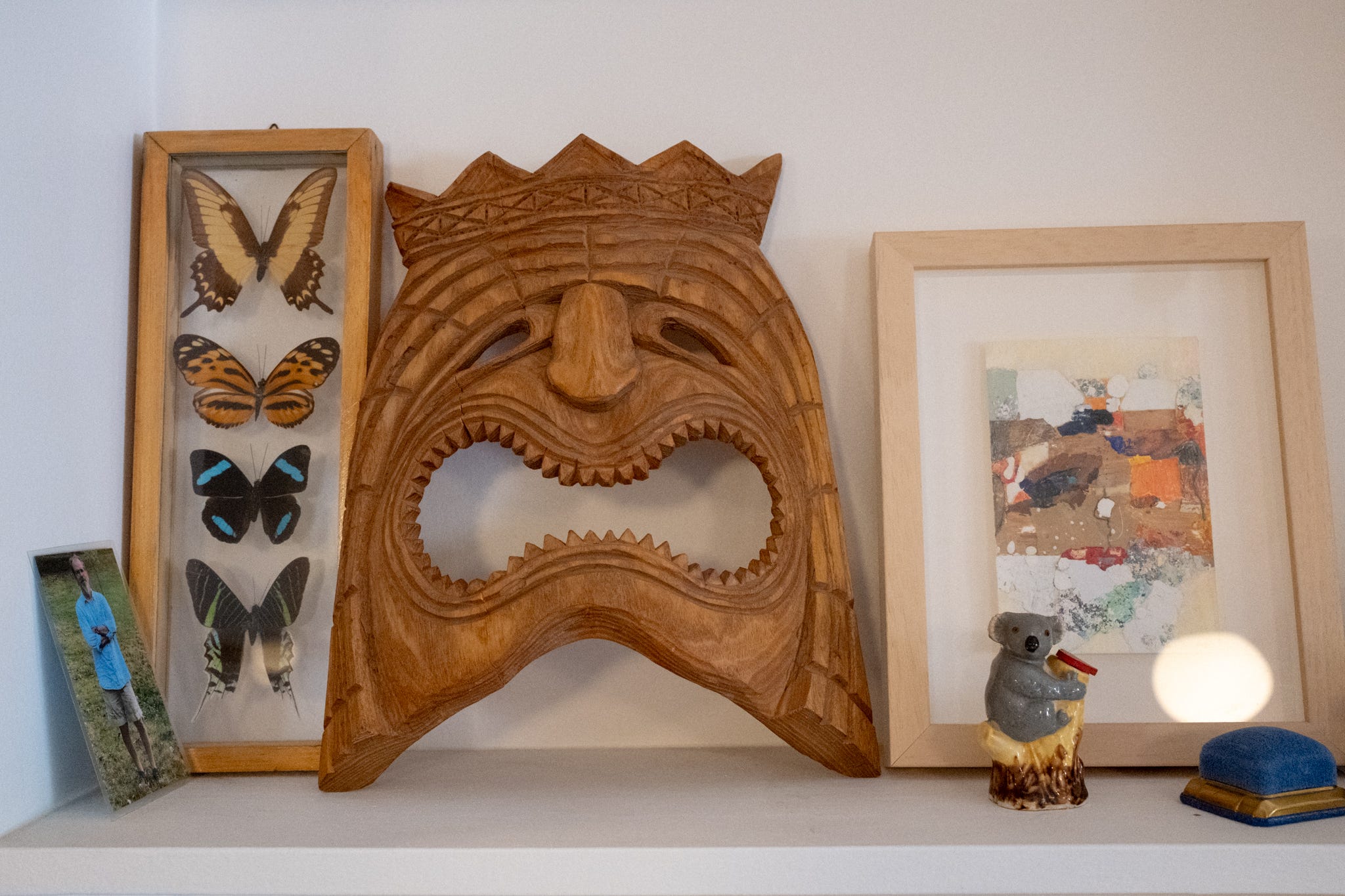
Sanctuary, for them, is not abstract. It’s a word that holds weight in this city, both historically and in the present.
“SANCTUARY IS SAFETY, AND IT’S NOT SOMETHING WE TAKE FOR GRANTED - ESPECIALLY LIVING IN LOS ANGELES. WE’RE SURROUNDED BY ENVIRONMENTAL THREATS TO OUR SAFETY, REMINDED DAILY OF THE GOVERNMENT THREATENING OUR NEIGHBORS’ SAFETY AND SANCTUARY TOO.” - ISABEL CASTRO
Homes in Los Angeles often exist in tension with the city around them. Exposure to nature, proximity to risk, constant movement. In Mount Washington, that tension softens slightly.
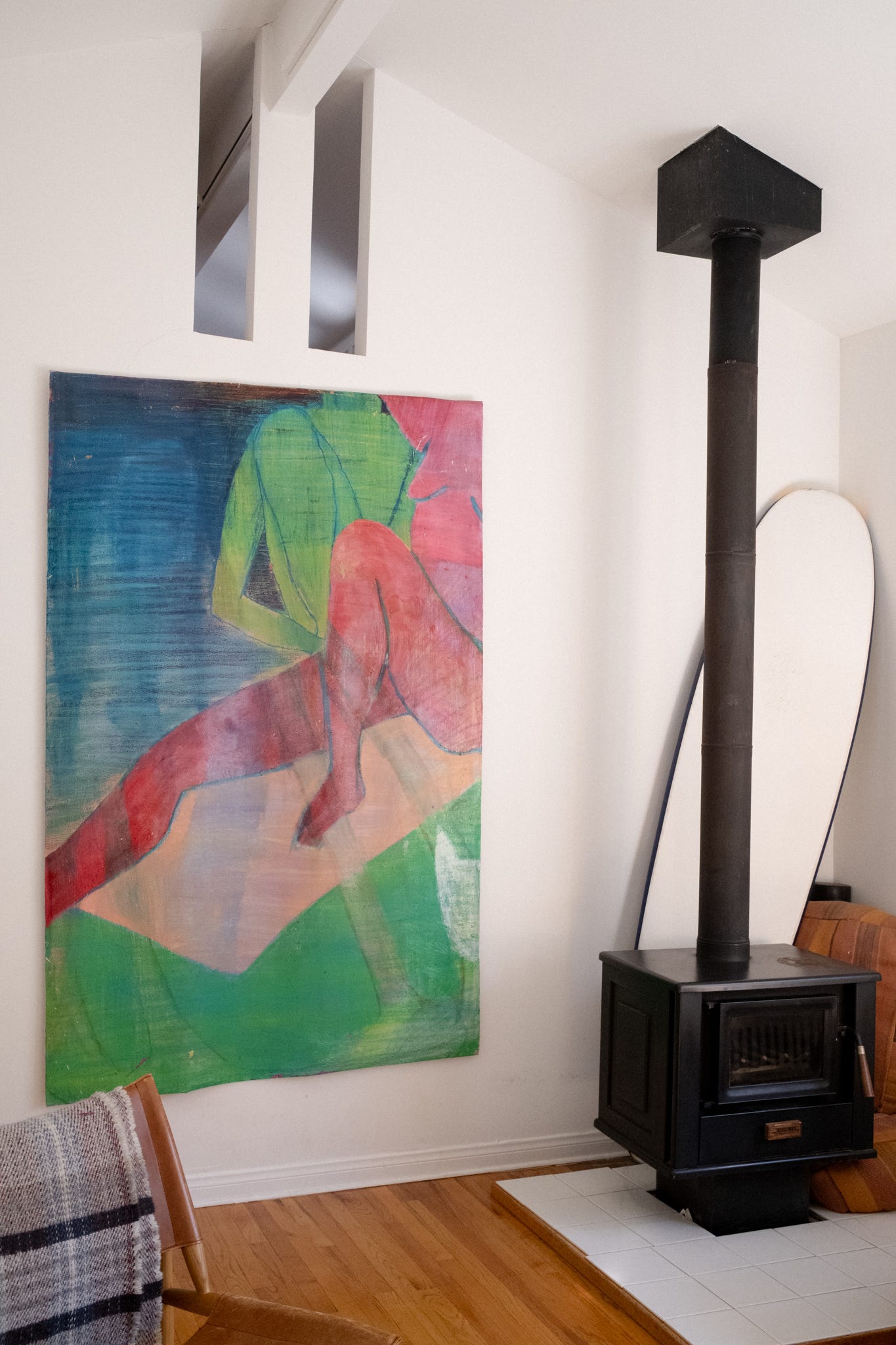
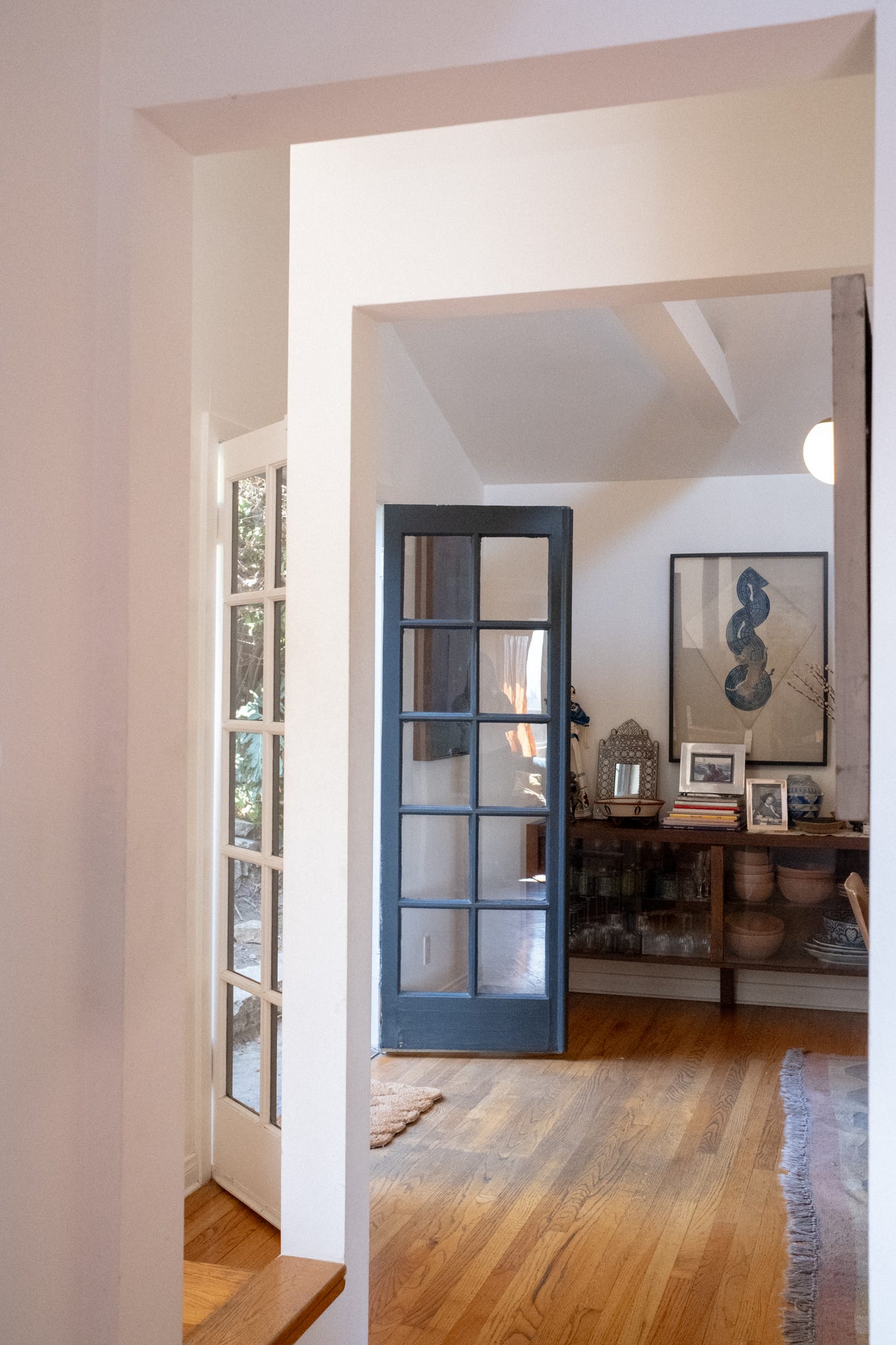
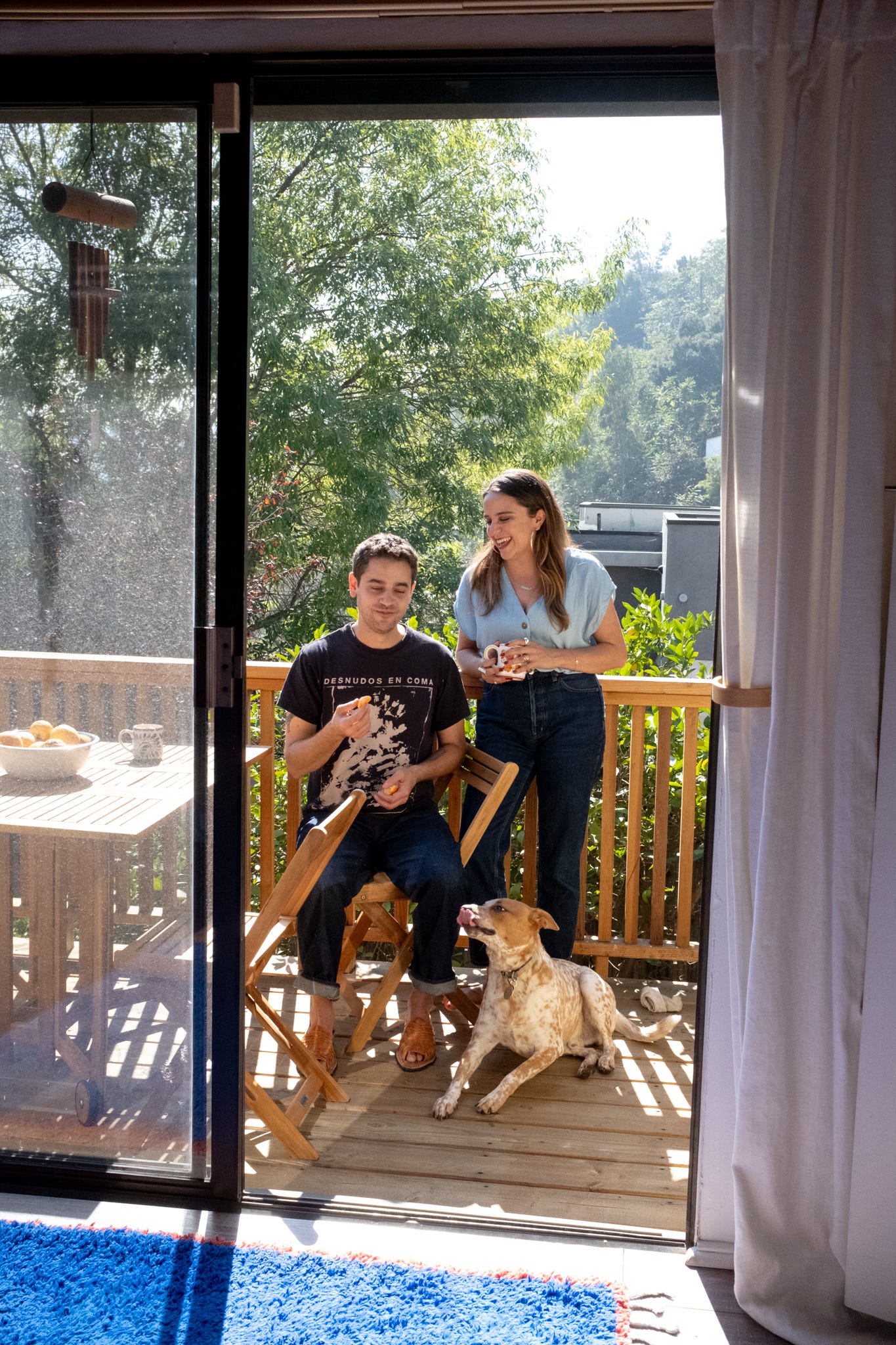
What Isabel and Jamie have created here is not just a place to live, but a place to return to. A space shaped by work, memory, and partnership. A small, specific pocket of the city that holds steady while everything else moves.
Their sanctuary.
This interview has been edited and condensed for clarity and length.