

SANCTUARIES LA EXPLORES THE QUIETER SIDE OF LOS ANGELES THROUGH DESIGN.
ROOTED IN THE BELIEF THAT SANCTUARY EXISTS EVERYWHERE, OFTEN HIDDEN IN PLAIN SIGHT.
IF YOU ENJOY THIS PUBLICATION, CONSIDER SUBSCRIBING OR SHARING IT WITH A FRIEND.
Kelsey Rose Williams Barthés found me first. She commented on my From the Field Vol. 002 on the Eames Pavilion at Salone, and I followed the thread back — eleven years as an Archivist with the Eames Office, a newsletter from the Basque Country, a way of writing about Eames in Milan that made me want to know more. I asked if she'd let me interview her. She said yes.
EXHIBITION PHOTOGRAPHY BY KELSEY ROSE WILLIAMS BARTHÉS
PORTRAITS BY TAUNI WESTERN
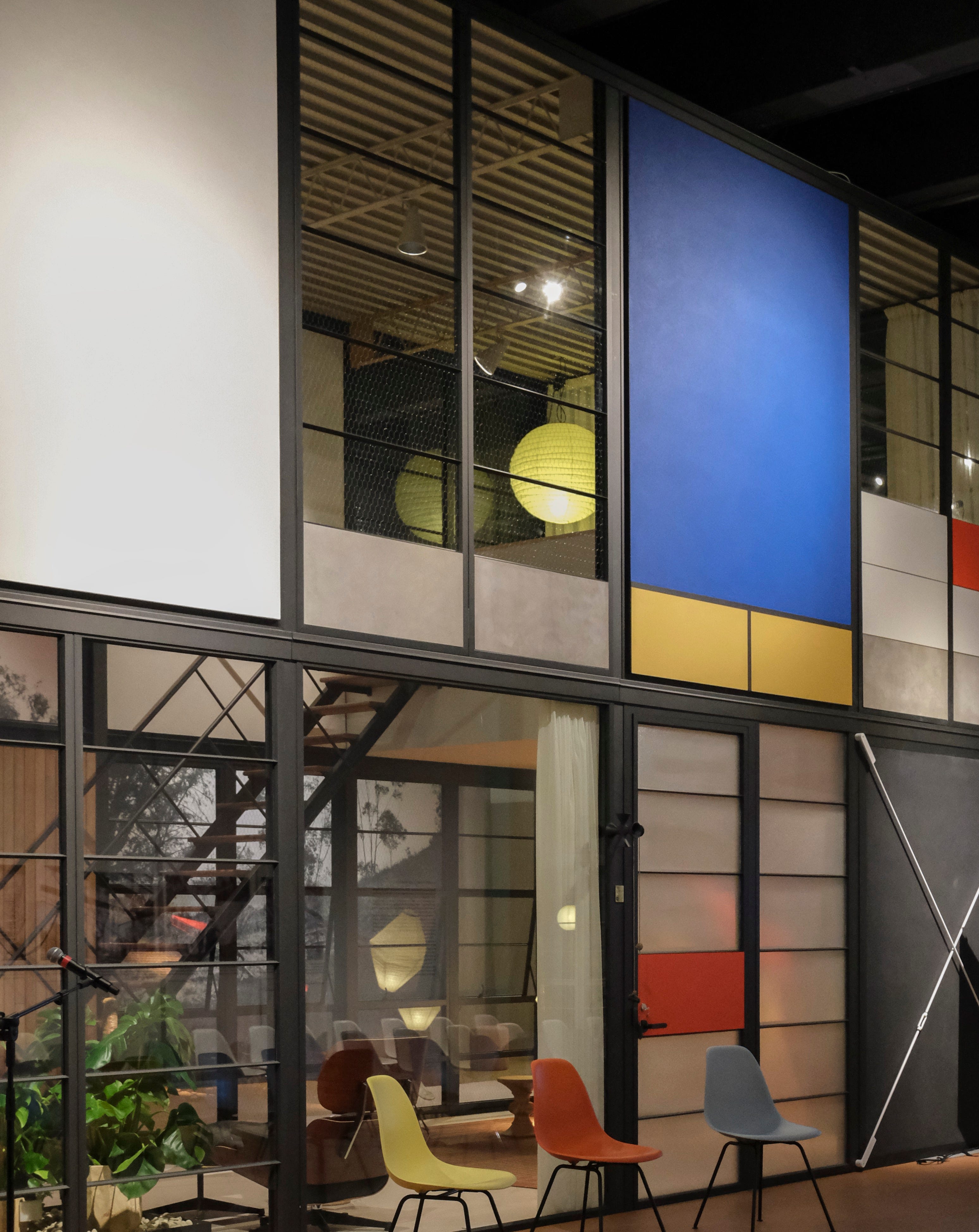
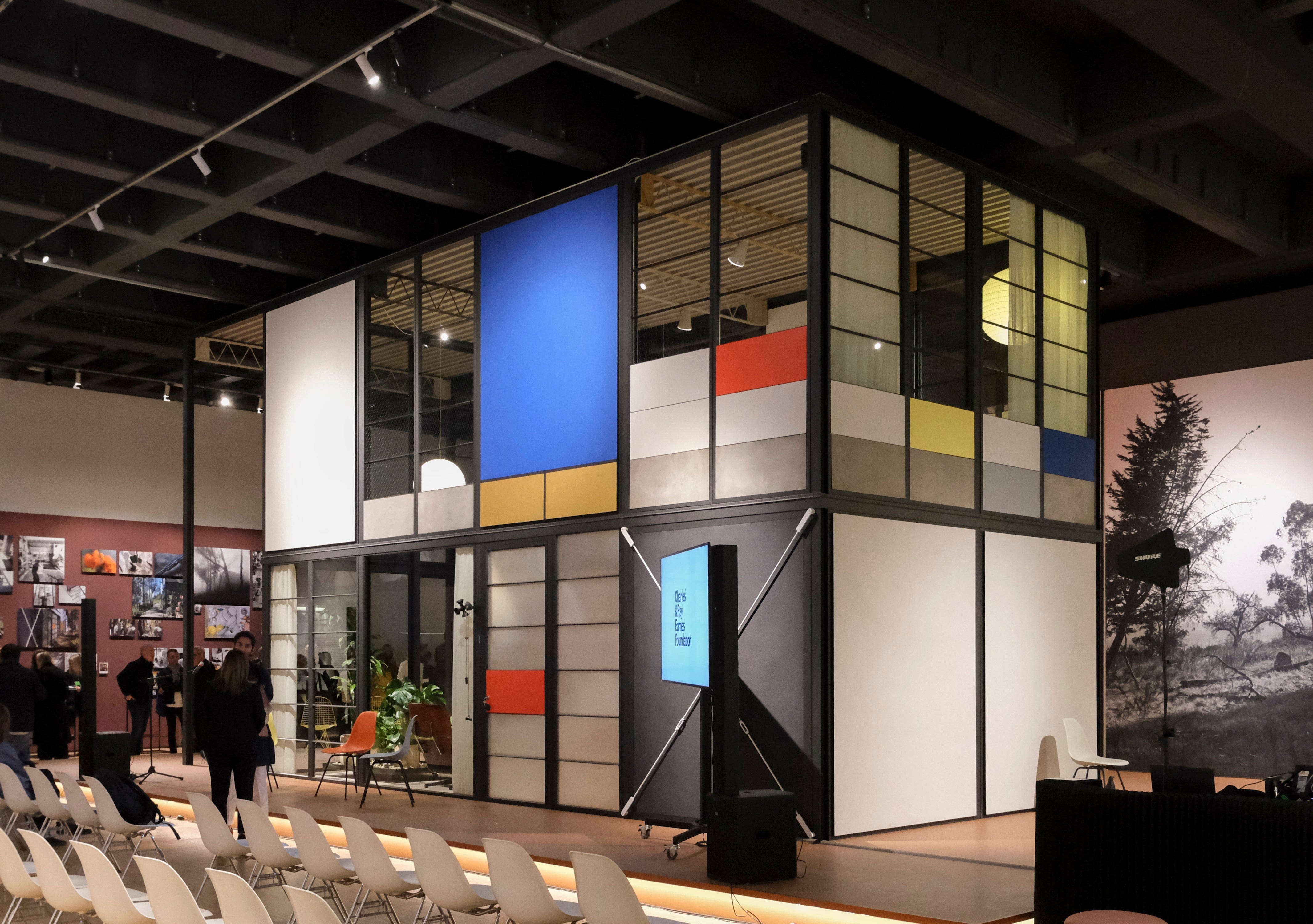
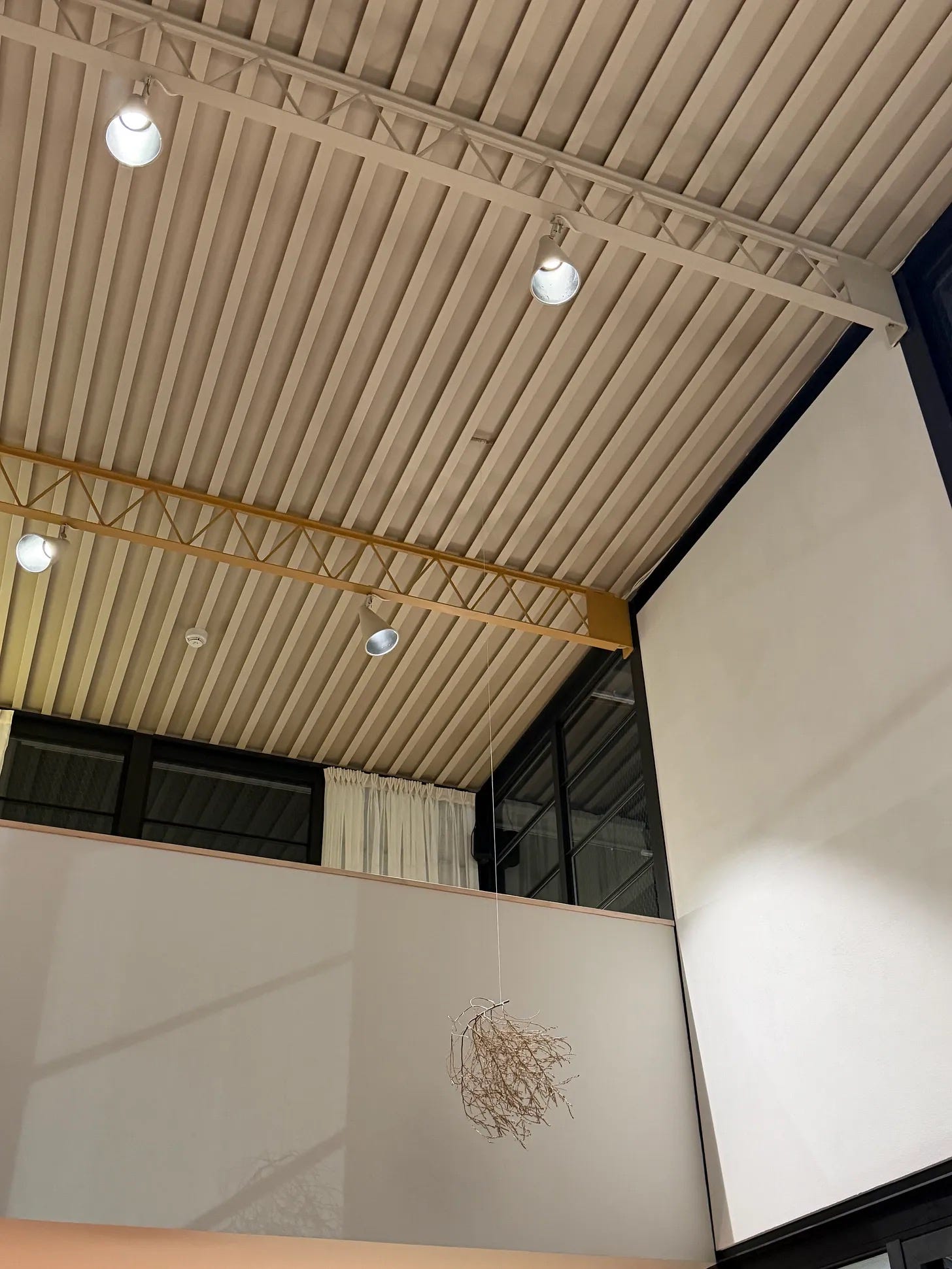
I was obsessed the moment I saw the announcement. The Eames Pavilion System — a modular, buildable translation of the Eames House — on view at the Triennale di Milano during Milan Design Week as part of The Eames Houses exhibition. Case Study House No. 8 in the Palisades is one of my favorite architecture tours in LA, and there are many. The colors. The surrounding nature. The Pacific in the distance. The details inside, including a hanging tumbleweed Charles and Ray brought home from their honeymoon. The whole place is magical. The announcement sent me deep into Charles and Ray’s history and sensibility — and into the small private fantasy of building my own modular version of what they made.
Charles and Ray Eames weren’t born in Los Angeles. Charles was from St. Louis. Ray, from Sacramento. They met at Cranbrook in Michigan and moved west together in 1941, immediately after their wedding. From a Neutra-designed apartment, they began molding plywood in the spare bedroom. By 1943, the Eames Office was operating out of a renovated garage at 901 Washington Boulevard, in what was then an industrial stretch of Venice. They never left. Charles died in 1978. Ray, ten years later to the day. Forty-five years of work, all of it from the same building. The city claimed them completely.
Their Case Study House No. 8 — a 1.4-acre meadow above the Pacific, eucalyptus trees Abbot Kinney planted in the 1890s, a steel-and-glass box re-designed in 1948 to spare the trees — is one of the most photographed and least understood houses in American modernism. Showing up at Salone del Mobile in modular form is a kind of homecoming in reverse. LA, exported.
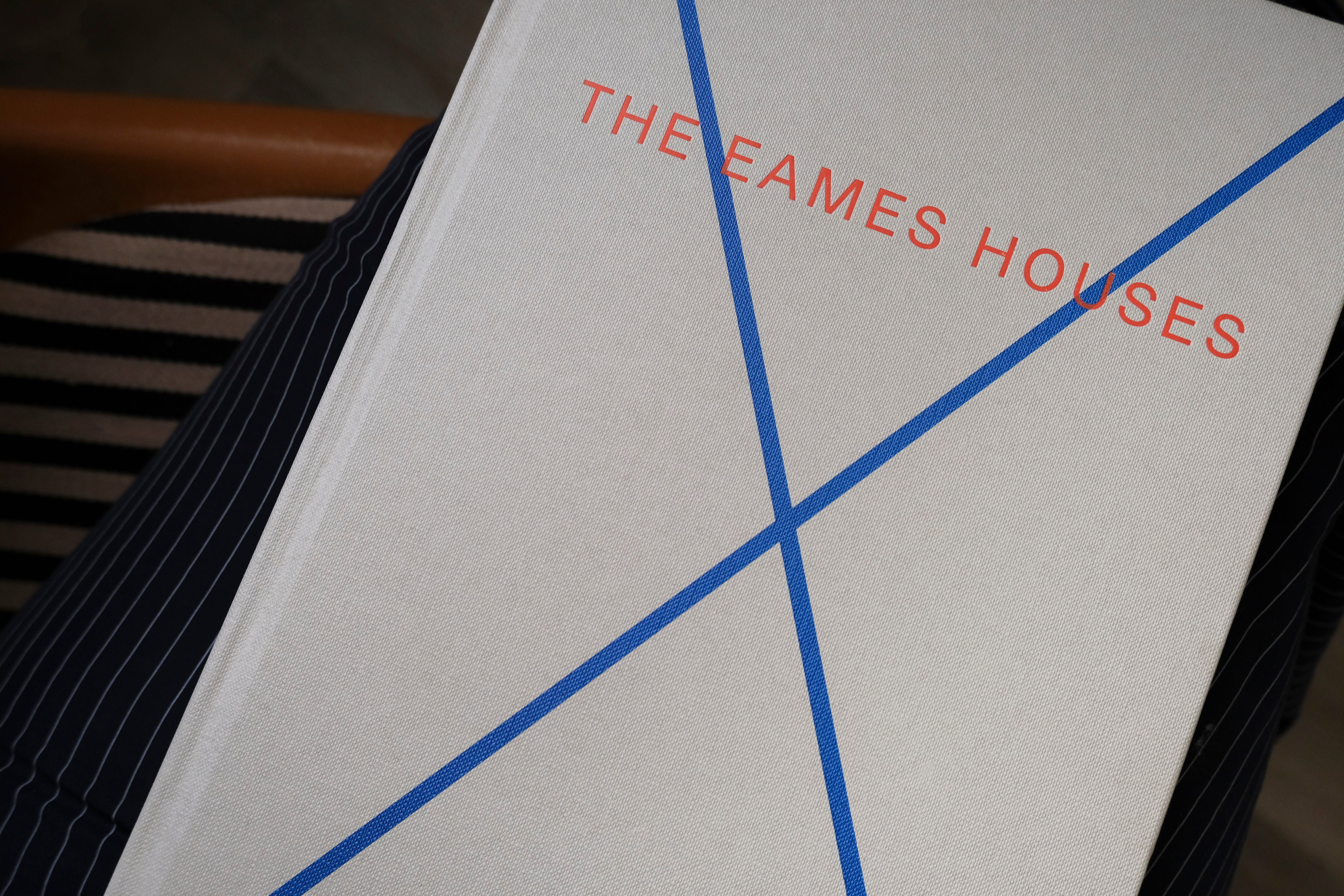
Kelsey had a hand in exporting it. The exhibition at the Triennale, the Pavilion System with Kettal, and the new Phaidon book The Eames Houses — the first comprehensive sourcebook on Charles and Ray’s residential architecture — are all built on the same archival research. She spent the past year on the book. The few years before that, on the archive that fed it.
What follows is a Q&A, in Kelsey’s own words. The role of Archivist asks for a particular kind of care, and her words are best left unedited.
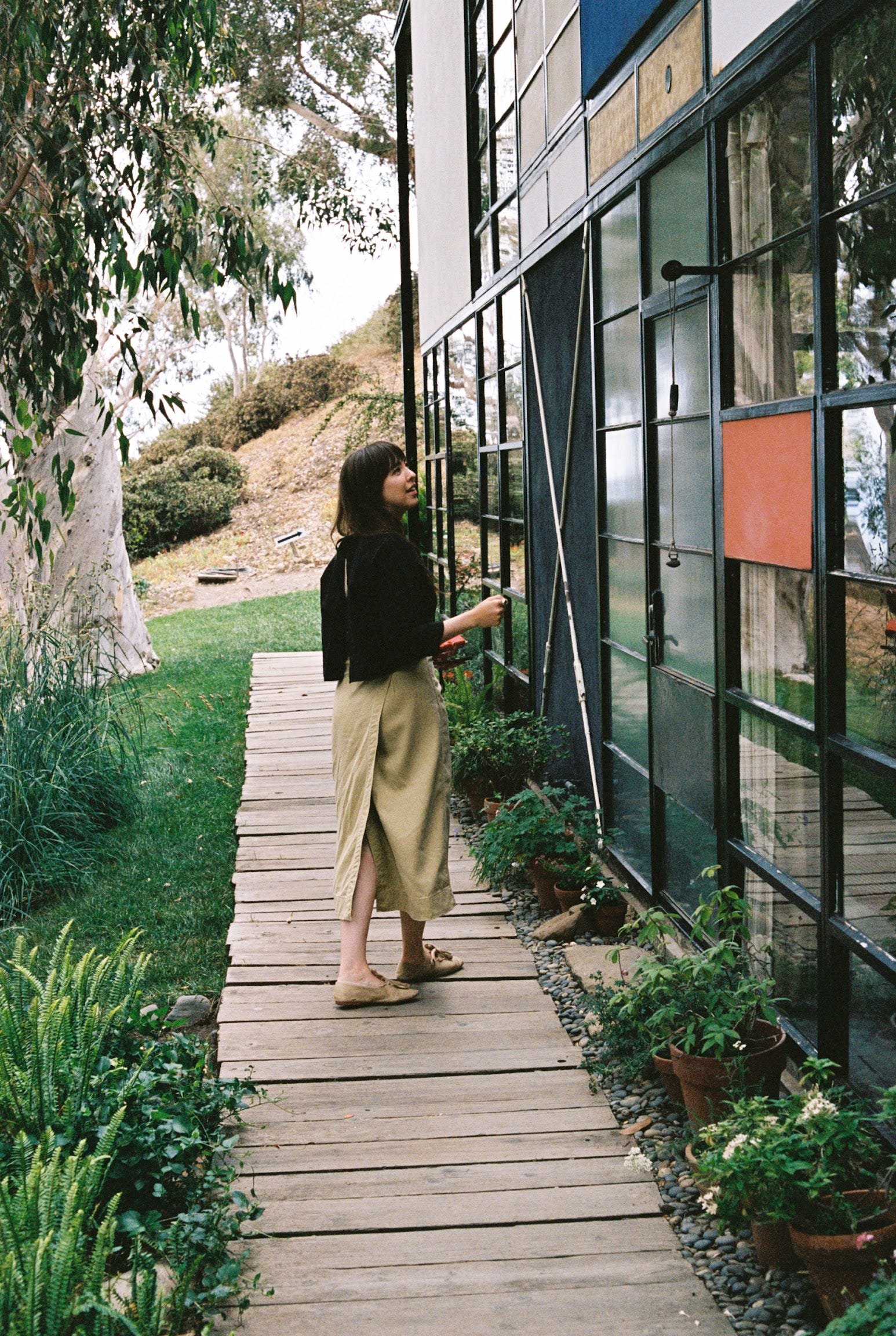
SHELBY NICO DIAMOND: You wrote that one inhale inside the Eames House Pavilion at the Triennale slingshotted you back in time. Can you take us into that first moment — what you saw, smelled, registered before your archivist brain kicked in?
KELSEY ROSE WILLIAMS BARTHÉS: My experience of the Eames House is so viscerally embedded in me that my body – while stepping into the Eames House Pavilion – was registering a familiarity of being inside Charles and Ray’s home, but my mind was hyper aware of the differences. My eyes were busy scanning what was familiar and what wasn’t. The feeling I had, mostly, was awe.
When you’re standing in the House - especially after a few years of knowing it intimately - there’s an acute awareness of its volume and materials. There’s a feeling of being enveloped by it, and there are particular colors and textures associated. The Eames House Pavilion captured both of those elements very accurately. Yes, the dimensions of the Pavilion are compacted and the materials are contemporary, but the spirit feels correct!
SND: The Pavilion is a translation, not a reproduction — aluminum instead of steel, triple glazing instead of single pane. The Eames Pavilion System translates a very specific home into something modular and global. Where do you see it staying true to Charles and Ray’s ethos, and where does it intentionally evolve?
KRWB: The idea for the project with Kettal was never to replicate the Eames House perfectly, and that’s the main reason for there being noticeable differences in its dimensions. Instead, the entire Eames Pavilion System is supposed to give every person the ability to build with the ethos and visual language of Charles and Ray Eames, and at the high-quality that the couple were always seeking. There are thousands of different building configurations available to the public through this system besides an Eames House-esque design–allowing for their design language to be molded to fit many, many homeowner needs. Charles and Ray were always searching to identify the need of a client in order to solve their problems; the Eames Pavilion System is a continuation of the Eameses solving our problems of today.
In my eyes, where it evolves is based on how our building codes, materials, and societal needs have evolved. We aren’t able to source the same Plyon window sliding screens that Charles and Ray fabricated themselves from the fuselage covers of WWII aircraft, but Kettal can manufacture something nearly identical that is ecologically up to today’s standards.
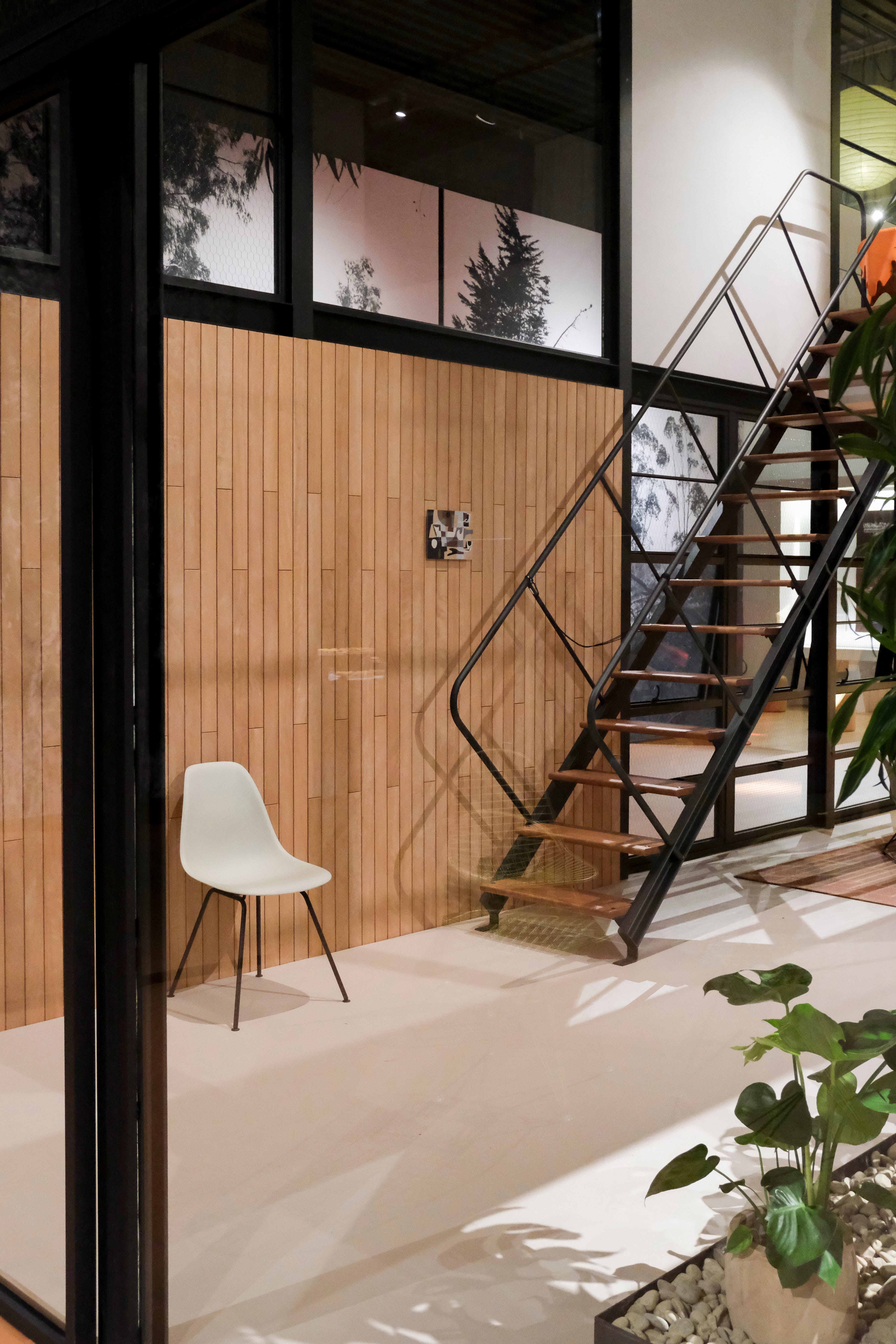
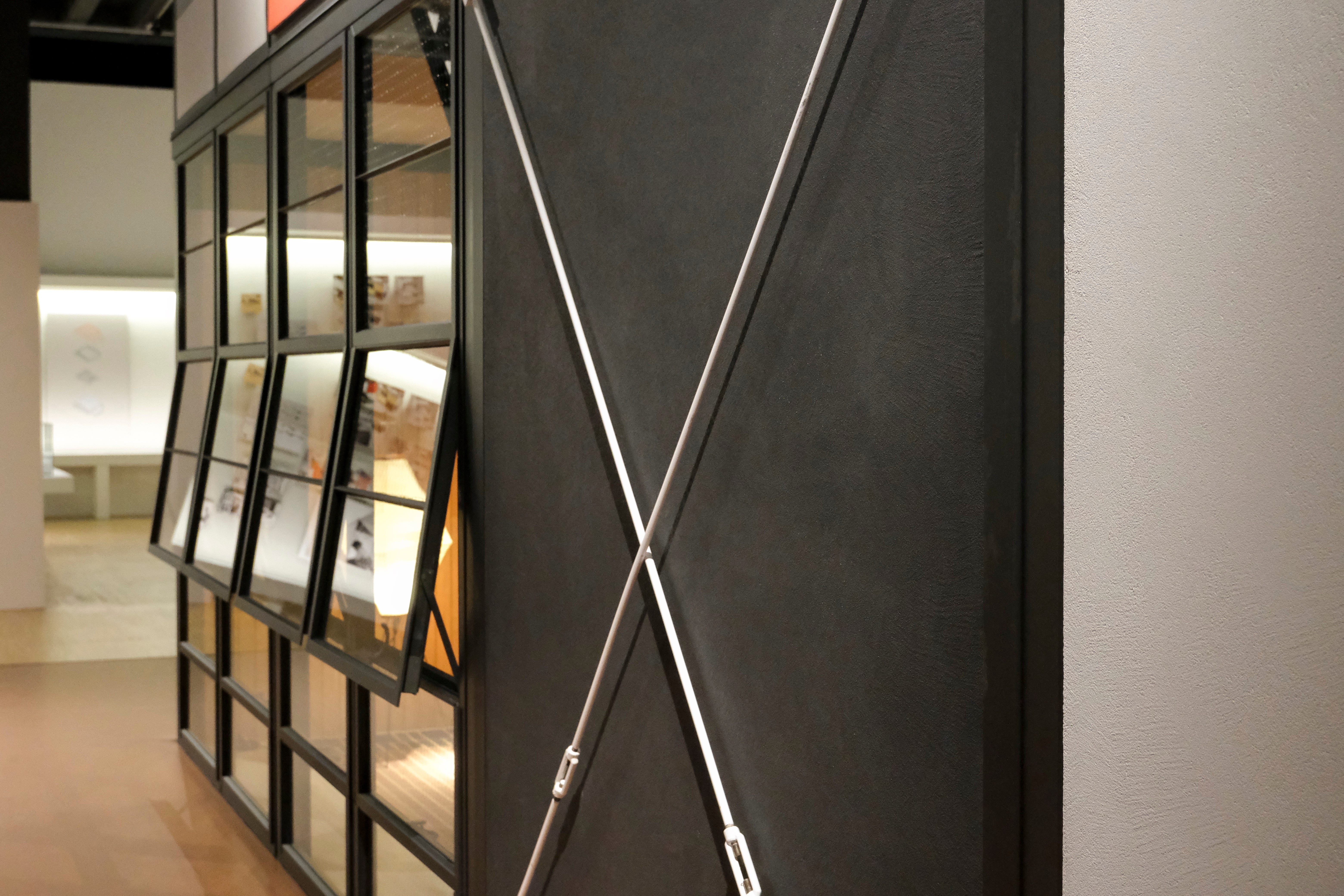
SND: You spent eleven years working with the Eames legacy before this exhibition. What did Salone surface for you that the archive alone couldn't?
KRWB: Human connection! I work from home on the other side of the world from my colleagues and from the Eames House itself, so being at Salone del Mobile in Milan brought me so much social warmth. I loved being able to spend valuable in-person time with my colleagues, while seeing peers in the industry and complete strangers experience our archival materials for the first time.
Even those who are massive Eames and Eames House admirers had something to discover in the exhibition. There really was a sense of delight alive in this Salone del Mobile show, and I felt that Charles and Ray were once again able to capture the attention and curiosity of all types of people in the same way that they did when they designed exhibitions for museums and pavilions for World’s Fairs.
SND: The Eames Houses book, for you, was a year of curating, a few years of archiving, and nearly two decades of love for the Eames legacy. Was there a single drawing, photograph, or piece of correspondence that stopped you when you came across it — something you hadn't seen before, even on staff?
My goodness, there were dozens of architecture-related materials that I hadn’t seen prior to archiving and digitizing them, so this feels like an impossible question to answer. Also, my eyes have been on this material for many years, but somehow there is always something to be surprised by.
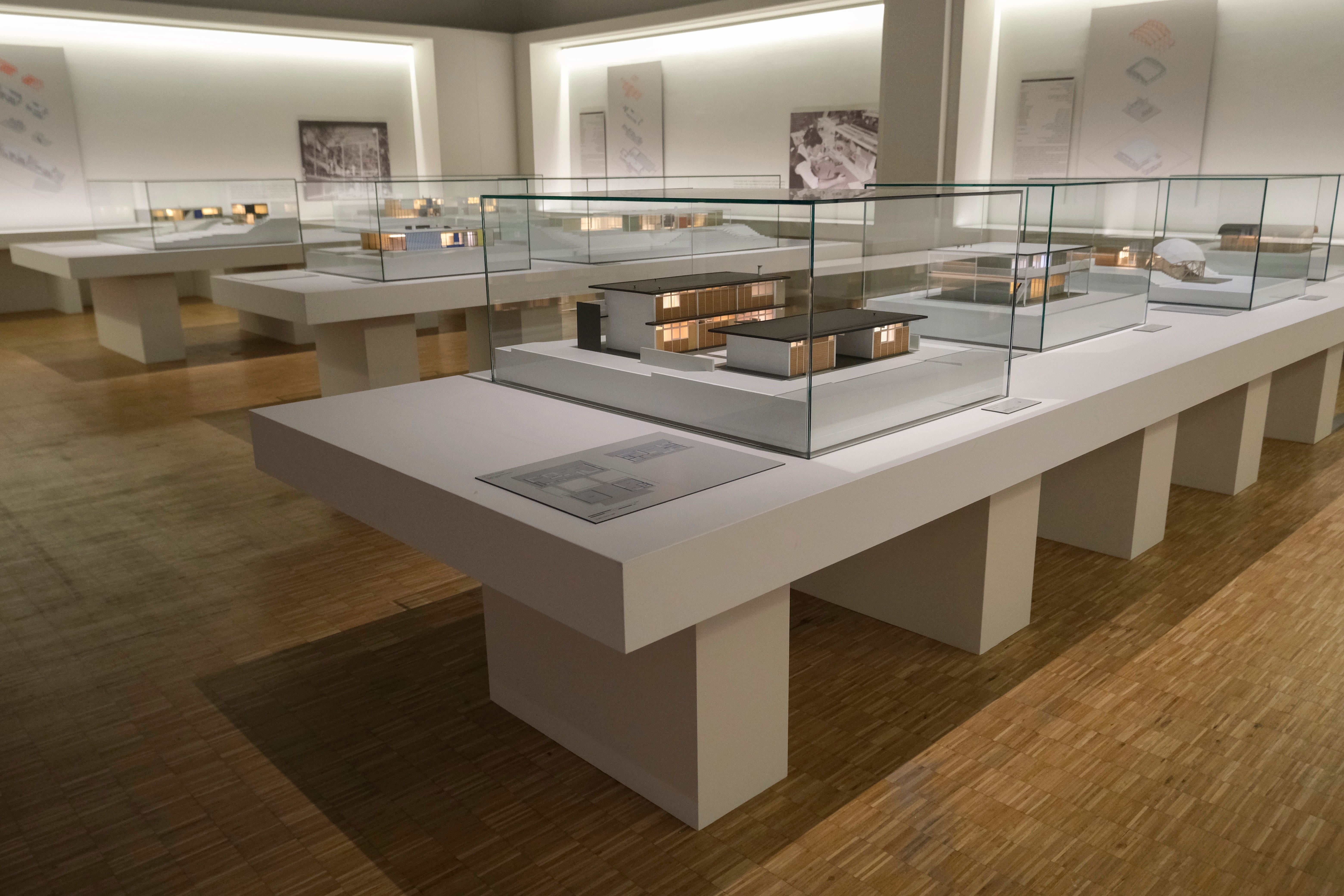
Charles and Ray designed a few toys throughout their lifetime, some of which were manufactured by Tigrett Enterprises. We had an inkling that the Eameses had designed their workspace, but no direct proof had surfaced yet. When my colleague, Jackie Cassel–a fourth-generation Eames family member–and I opened up a folded drawing one day in the archive, we were close to tears. It was a colored technical drawing of a two-story house and work lab for the toy company’s founder, John Burton Tigrett, and his family. The design featured elements that felt so similar to the Eames House’s modular system, but its own architectural language was very much present.
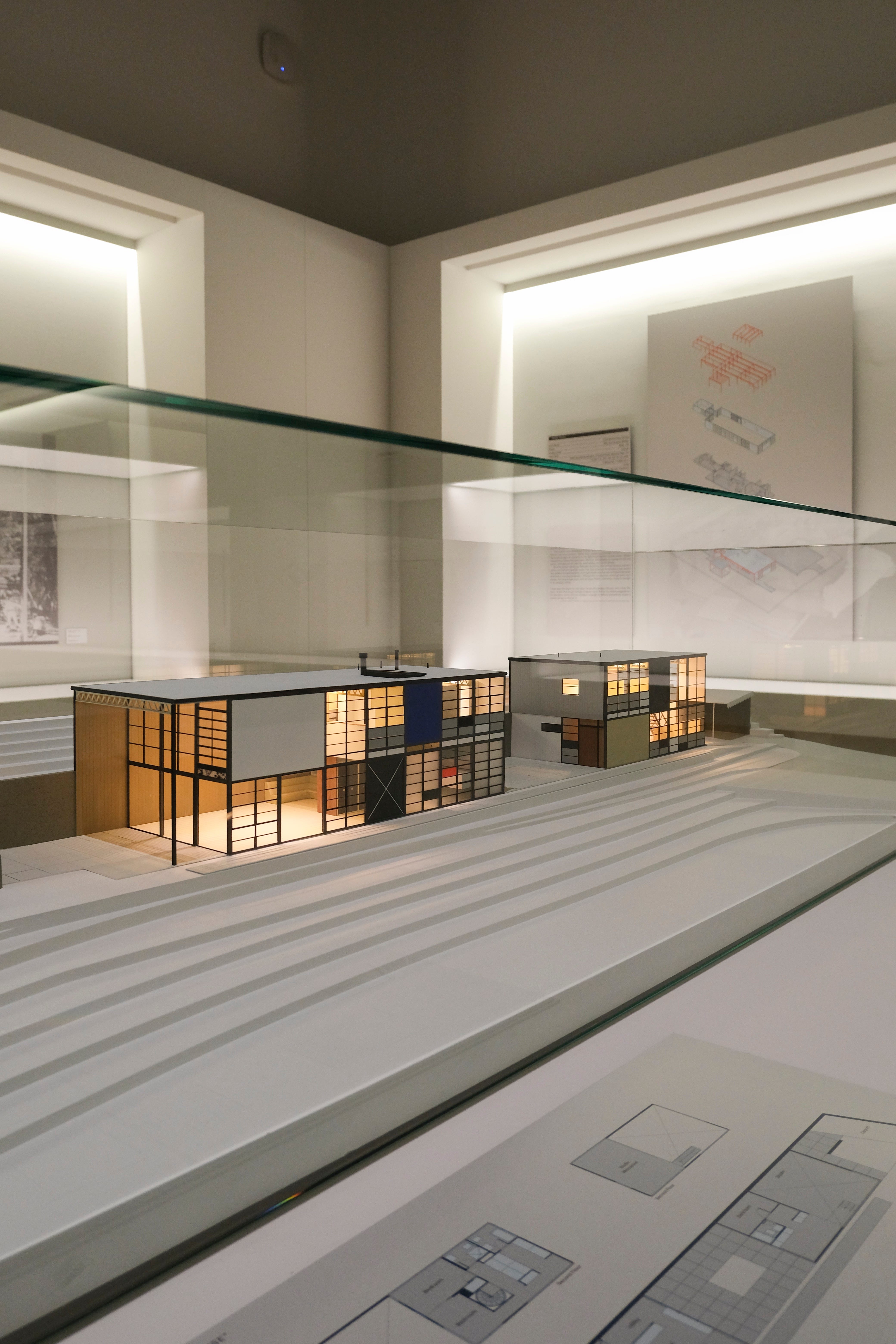
Our team commissioned AT Models to create models of the architectural projects from the mid-1940s to mid-50s (all done in the same scale). I saw these contemporary models for the first time in person while walking through The Eames Houses exhibition. When my colleague-turned-friend, the Charles & Ray Eames Foundation’s Assistant Director, Thomas Gartman, and I were touring the space together, we both finished each other’s sentence about the Tigrett House and Lab miniature: “That wrap-around porch almost feels Southern!” Which was totally appropriate given that the intended site was in Jackson, Tennessee, next door to the family’s existing home.
The house and lab were never realized, but the project is the perfect example of taking similar Eames House industrial off-the-shelf materials and its principles and adapting them to another climate and context. Charles and Ray made industrial steel and glass feel akin to the vernacular architecture of the historic South. This is an element of the Eames design process that makes it possible for the Eames Pavilion System to appropriately exist anywhere in the world.
SND: What was it like to handle and surface materials that hadn’t been widely seen before?
KRWB: That is the highlight of my job – besides getting to share the materials with the world.
I’m incredibly attached on an emotional level to the Eames story and designs, so handling drawings they’ve made or seeing personal photographs/letters boils to the surface an indescribable level of sentimentality and admiration in me.
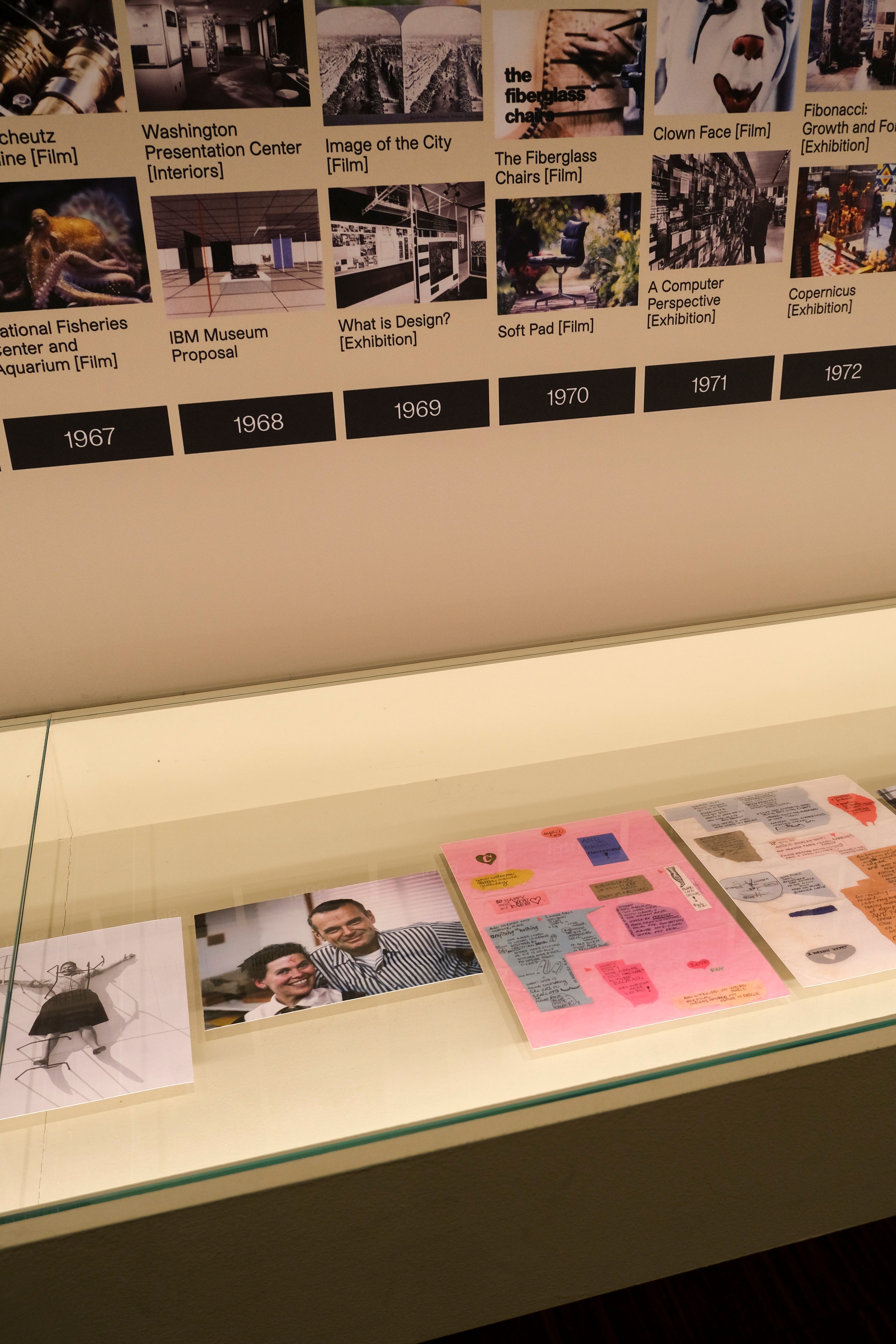
SND: You wrote that your hands and handwriting are on these materials now. What's the responsibility of being the person between the archive and the public?
KRWB: Many of the architectural drawings were drawn on vellum-like paper, which means that my handwriting (we assigned each record an identification number, written in pencil on the verso) is often visible from the front size. When the originals are scanned, there are still traces of the handwriting on the digital files. It’s a tiny detail that I hope nobody will notice, but seeing my hand drawn letters/numbers made me feel doubly proud to be involved. Even after having this job for eleven years, I am still pinching myself!
There is a tremendous responsibility that comes with protecting any legacy, whether physically through the two- and three-dimensional collection items, or intellectually. You have to be physically aware of your movements while handling items, but also extremely discrete with your words. At the same time, my colleagues and I recognize how important it is to share materials–so there are constant conversations to be had about what to share, when, and why. The goal is to continuously educate people on the happenings of the Eames Office, and to be sure to apply that rigorous thinking to our world today and our world tomorrow. Charles and Ray are our greatest teachers, and we want them to keep teaching you, too.
SND: How did the team decide what story this book needed to tell that hadn't been told yet?
KRWB: Speaking only from an archival standpoint: there was an overflow of rich material related to architecture – both seen and unseen by the public – and we collectively knew that it was absolutely necessary to share it.
The discussion and planning for a modular architecture project evoking the Eames House had also been in the works for many years. It was up to our team to have the project come together in perfect unison with sharing the materials from the archive.
SND: You gave tours of Case Study House No. 8, The Eames House, starting in your mid-twenties. What did living with that house — that meadow, those eucalyptus trees — teach you about how people experience architecture?
KRWB: It was wonderful witnessing how architecture impacted each visitor differently. People came truly from all over the world to see the house. Some were there to see it in an industrial way by studying the steel framing; some visited with a curiosity for the house’s collections or how the Eameses spent their time outside of their nearby office in Venice; others wanted to examine furnishings because they knew the Eames Lounge Chair and Ottoman.
What so many of these people seemed impacted by most was its setting: it’s nestled into a hillside on a eucalyptus-spotted meadow near a cliff overlooking the ocean. It’s so unexpected–definitely not a focus of photographs of the house. For Charles and Ray, the meadow was indivisible from the residence and studio structures. They actually changed its design in 1948 to accommodate the meadow and the pre-existing rows of eucalyptus trees. Charles, in an article for Arts & Architecture magazine described the meadow as a “shock absorber” of the stresses of modern life. Today, the surrounding nature is still a peace point, even within a much different version of Los Angeles. Visitors can sense that, no matter what culture they are from.
SND: Is there a small, easily-missed detail at the Eames House in the Palisades that you wish every visitor noticed?
KRWB: Even though most people think of the Eames House or most Eames designs as the “minimalist” type of modern, the opposite is true! Their home and studio were/are filled to the brim with their collections from all over the world, gifts, and also their own creations. Once you peer into the glass facade, you’ll realize this. So, there are a lot of details to absorb, and lots of things to easily miss!
I always enjoy taking a close look at their book collection on the prominent bookshelf in the living room. Most people don’t slow down enough or have a close enough view to be able to read the titles on the spines, or to notice patterns in their arrangement.
I also adore the crackling of the black paint on one of the entry hallway’s aluminum closets. Ray enjoyed the way in which the patina was showing up and refused to repaint it.
Speaking of painting, one of the first things I noticed about the facade was how hand-painted it looked. The Eames House is always spoken of as being highly machine-like and industrial–and it is in a lot of ways–but at its core, it’s a handmade house. One can forget that someone had to brush paint across its steel framing. I like taking moments to admire its handmade-ness.
SND: You previously lived and worked in Los Angeles—how did that experience, especially being at the Eames House, shape your relationship to the city?
KRWB: For the few years that I worked physically at the house, I lived on the east side of LA and commuted four hours each day to and from the Pacific Palisades. I always identified as an east sider, and nobody could get me to move further west. I also couldn’t afford to do so! I learned every back street between Highland Park and the PCH to minimize my time spent driving to the house. But every morning, as soon as I reached the PCH and the traffic dissipated, I was in heaven while on my way to my favorite house. Again, arriving in the meadow washed the stress away.
When visitors came to the Eames House, they’d most often than not ask about other houses they could visit. House museums and architecture are a massive soft spot of mine, so I memorized a list of my most-cherished houses, architects, dates, and their addresses to share with people. We’d spend some time at the end of some visits scribbling down addresses and notes. There’s an entire network of people who love historic homes like I do, and especially from the modern era, so this opened up a new world for me in Los Angeles. I spent a good portion of my time while living in LA admiring houses from the street, volunteering during MAK Center tours, and taking friends inside normally-inaccessible houses. You learn so much about a city from experiencing structure–both exterior and interior–up close in that way. Architects and interior designers create our lifestyles.
In 2019, I created the Not-Trespassing Tour of Modern Homes in Los Angeles, a self-guided driving tour of some of the greatest homes of that era in the city. It still remains one of my favorite projects, and I love when someone brings it up in conversation. “I went on your LA house tour!” It fills my Los Angeles and architecture-loving heart right up.
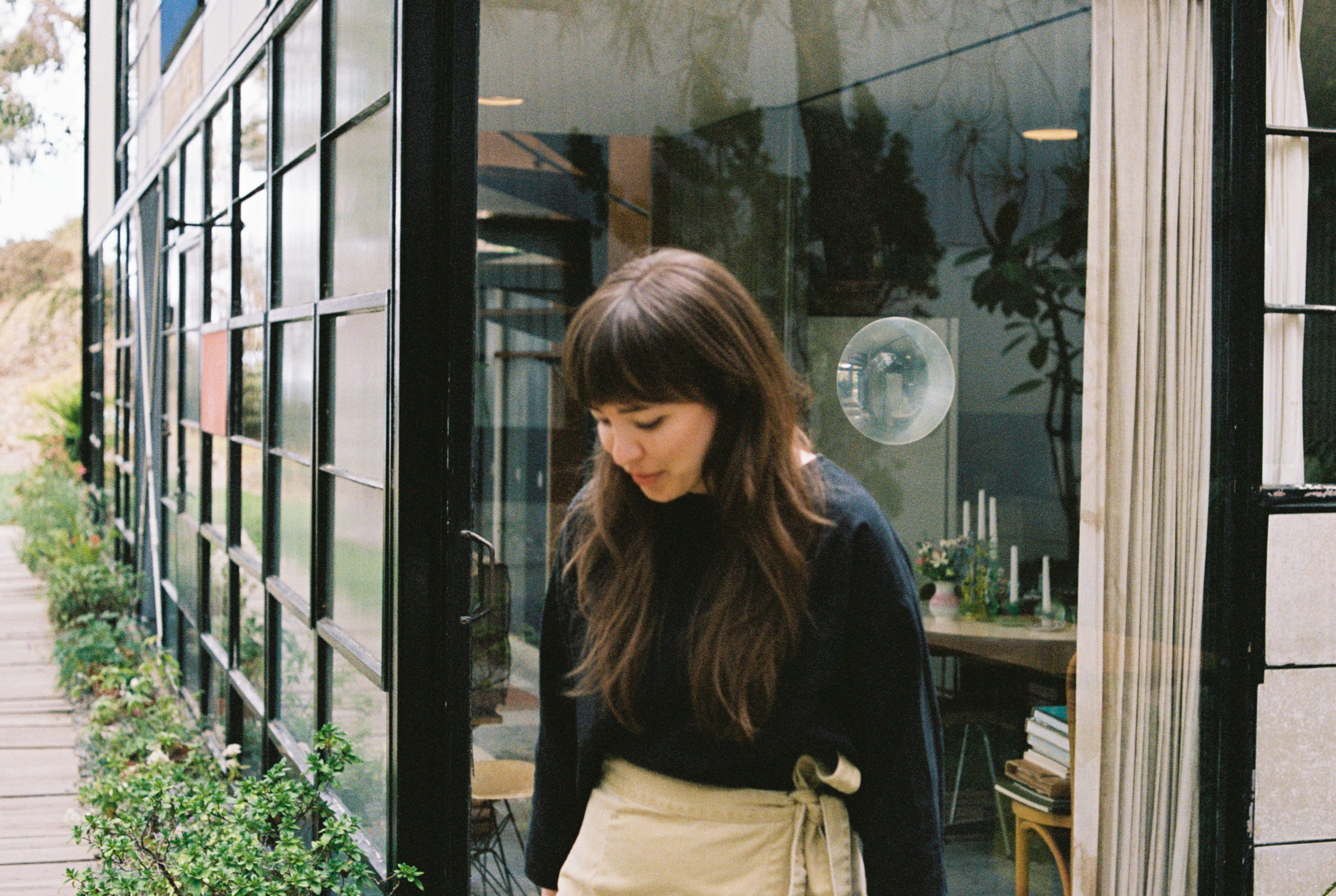
SND: For an LA reader who's walked past the Eames House in the Palisades but never been inside the property — or never made the pilgrimage at all — what would you tell them they're missing?
KRWB: You’re missing the true ethos of Charles and Ray Eames! Charles’s daughter, Lucia Eames, called the House “primary source material” and I agree. It’s the center of everything they ever stood for, everything they designed and embodied.
SND: You wrote that LA will always be your "home," even though you adore where you live now. When you think about Los Angeles now, what still feels like home to you?
KRWB: I will always identify as an Angeleno at heart, even though I was born elsewhere and live very far away now. What feels like home there is the sunshine, the people who I miss so dearly, and the modern-era architecture.
I live in the Basque Country in southwestern France along the ocean and I adore it. It feels like my own version of California–but French–and every time I’m on a specific ocean-front hillside (on my secret reading bench), it gives me the feeling of being in Charles and Ray’s meadow perched above the Pacific Ocean.
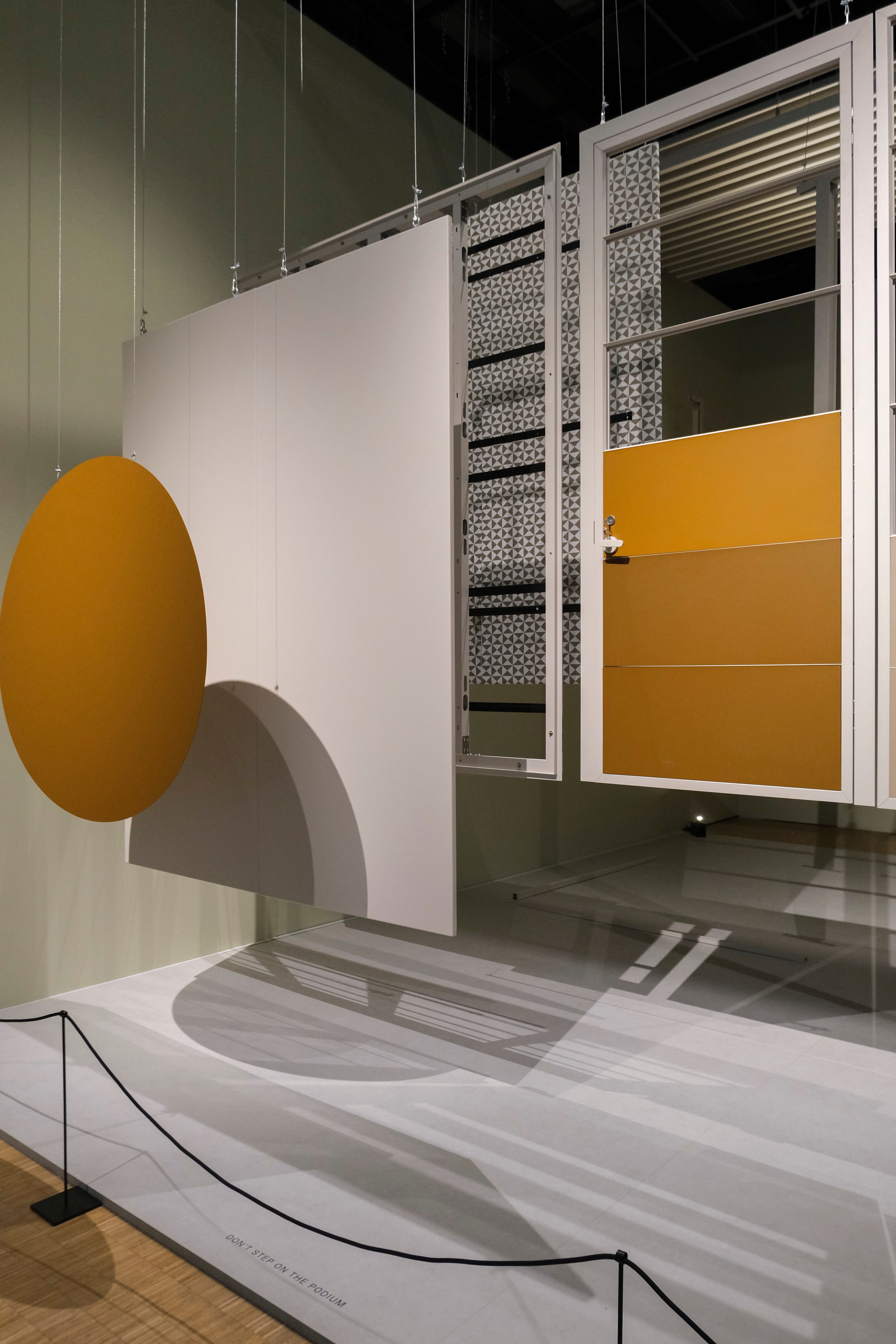
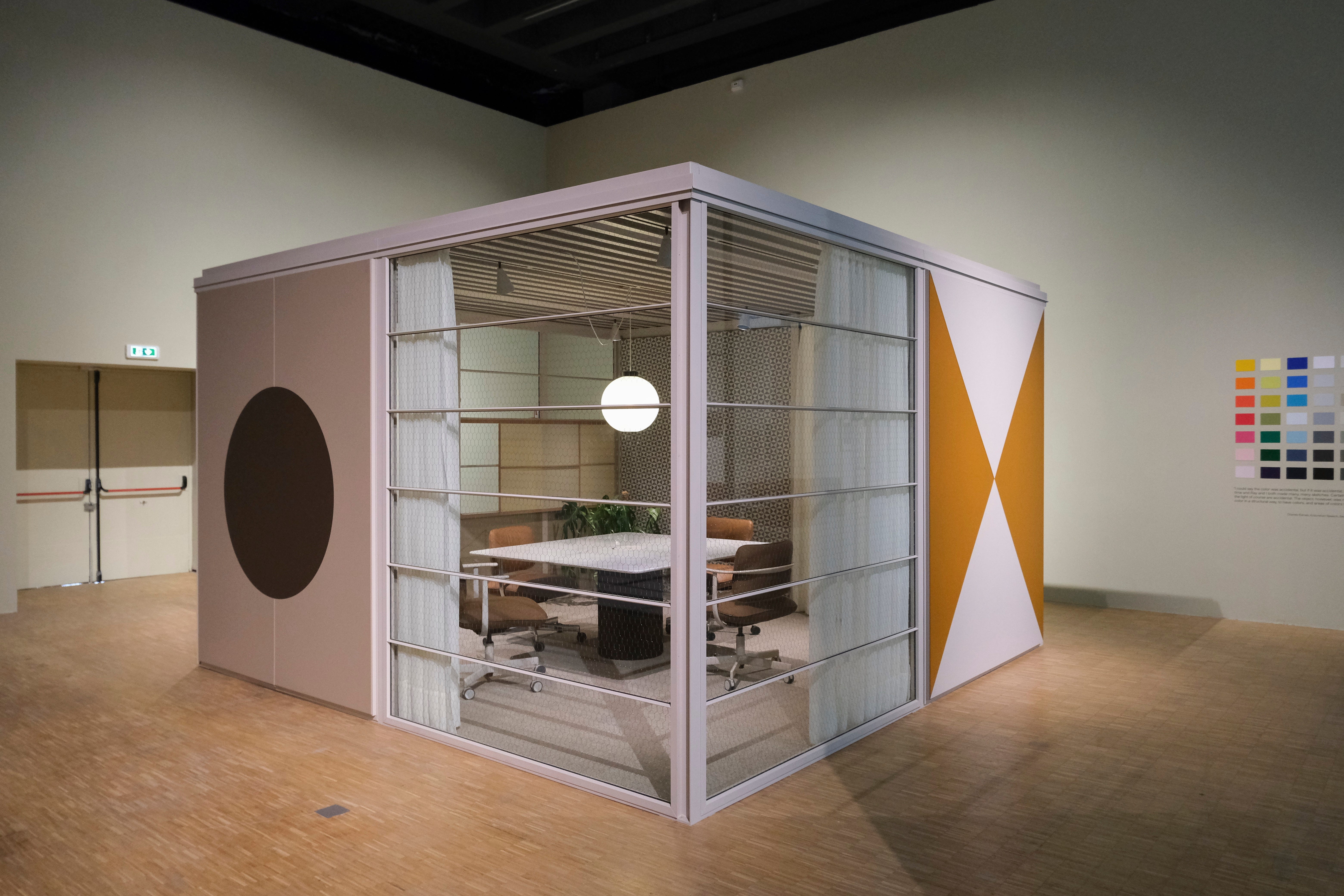
Will the Pavilion System travel after Salone? It seems likely — and Los Angeles would make sense for a future stop.
If it does land in LA, it’ll be a kind of homecoming. The meadow that taught Charles and Ray what shelter could be is still up there, off the PCH, doing the same work it has done for nearly eighty years. A modular version of their thinking, built somewhere in the city that claimed them. That feels like the right next chapter.
For now, I'll keep dreaming of my future compound. Acres in the Santa Monica Mountains. A small sea of Eames Houses scattered across the grass. Sunlight. Coastal sagebrush. Evergreen chaparral. The ocean in the distance.
Kelsey Rose Williams Barthés is the Archivist for the Eames Office and the author of the newsletter Absolument!, covering art history, architecture, design, and life in the Basque Country. The Eames House Pavilion debuted at the Triennale during Milan Design Week and is on view through May 10. The accompanying book, The Eames Houses: Charles and Ray Eames Residential Architecture, is published by Phaidon and available for pre-order now; US copies ship July 8th.
Portraits of Kelsey Rose Williams Barthés by Tauni Western
The Q&A has been reproduced verbatim to preserve Kelsey's written word. Opening and closing remarks, along with the photo captions, are the editor's.
Fascinating interview and project