


SANCTUARIES LA EXPLORES THE QUIETER SIDE OF LOS ANGELES THROUGH DESIGN.
ROOTED IN THE BELIEF THAT SANCTUARY EXISTS EVERYWHERE, OFTEN HIDDEN IN PLAIN SIGHT.
IF YOU ENJOY THIS PUBLICATION, CONSIDER SUBSCRIBING OR SHARING IT WITH A FRIEND.
PHOTOGRAPHY BY SHELBY NICO DIAMOND
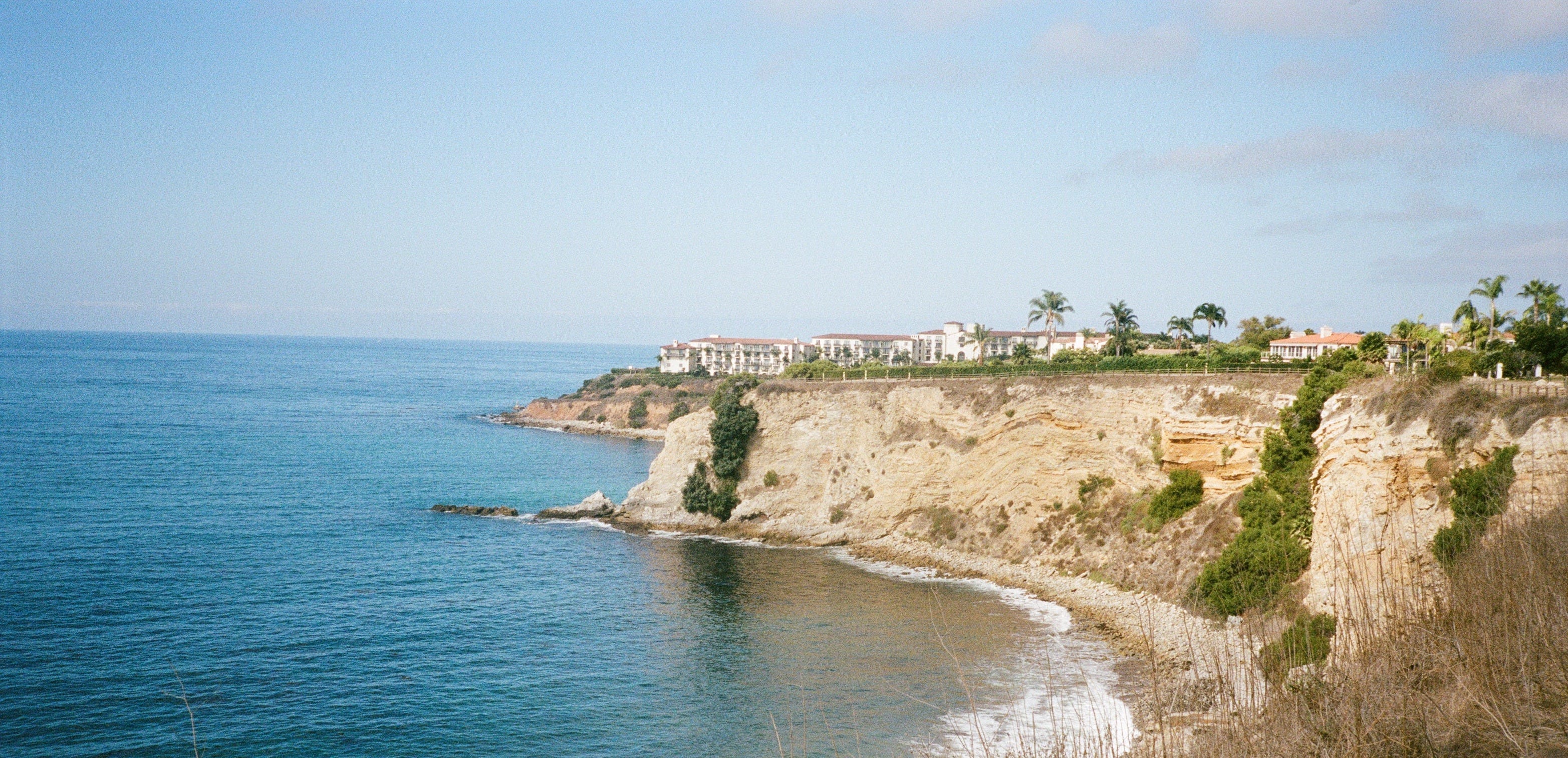
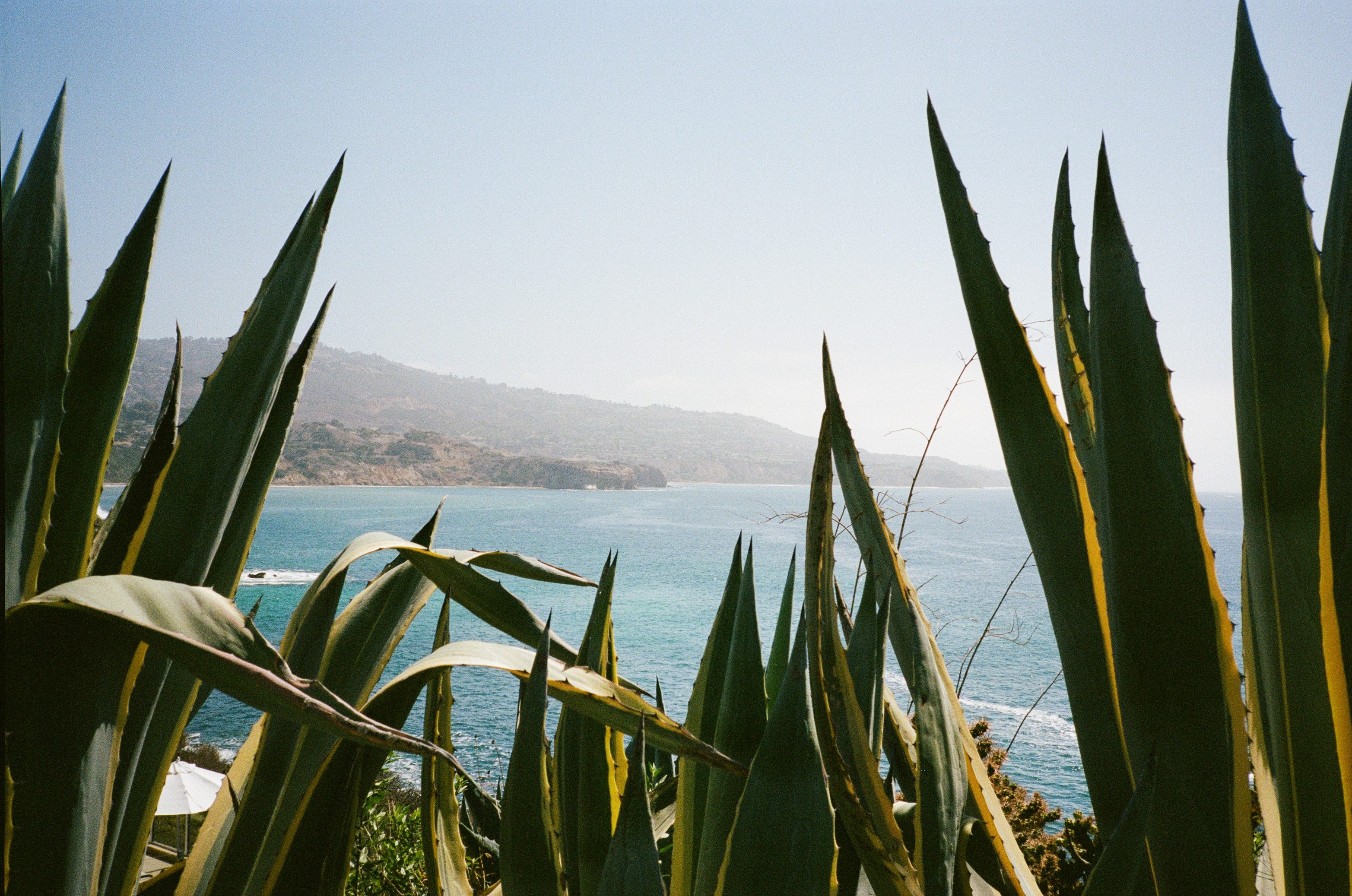
Two weeks ago, I spent five days at Terranea. The first time I saw photographs of the five-star resort along the Palos Verdes coast, I assumed it was in Europe, specifically Portugal. In actuality, it is less than an hour from our Eastside home.
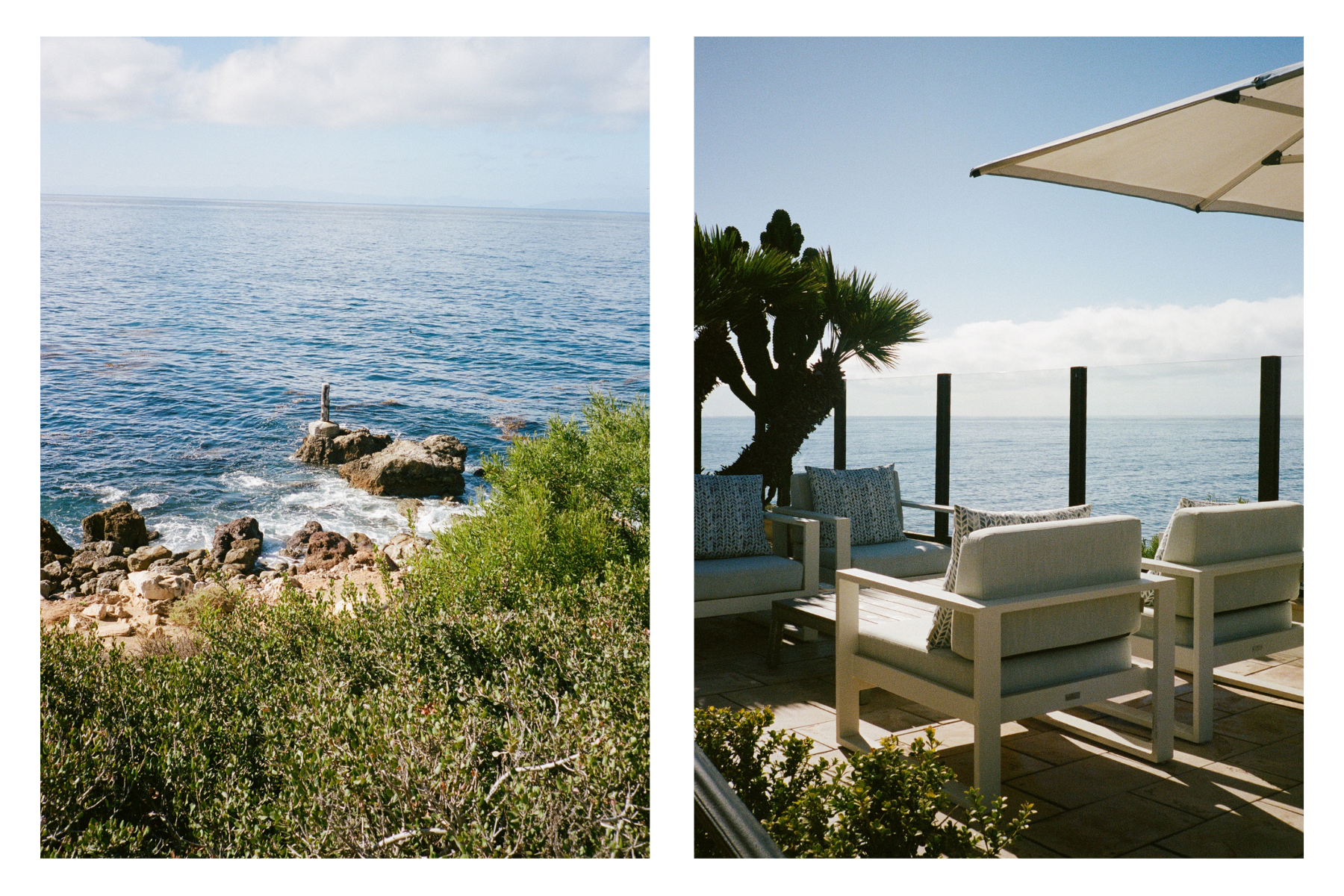
Perched on 102 acres of bluffs above the Pacific in LA County, Terranea is only seventeen years old, though as I was wandering the grounds I found myself wondering the history, feeling like it was a much older resort.
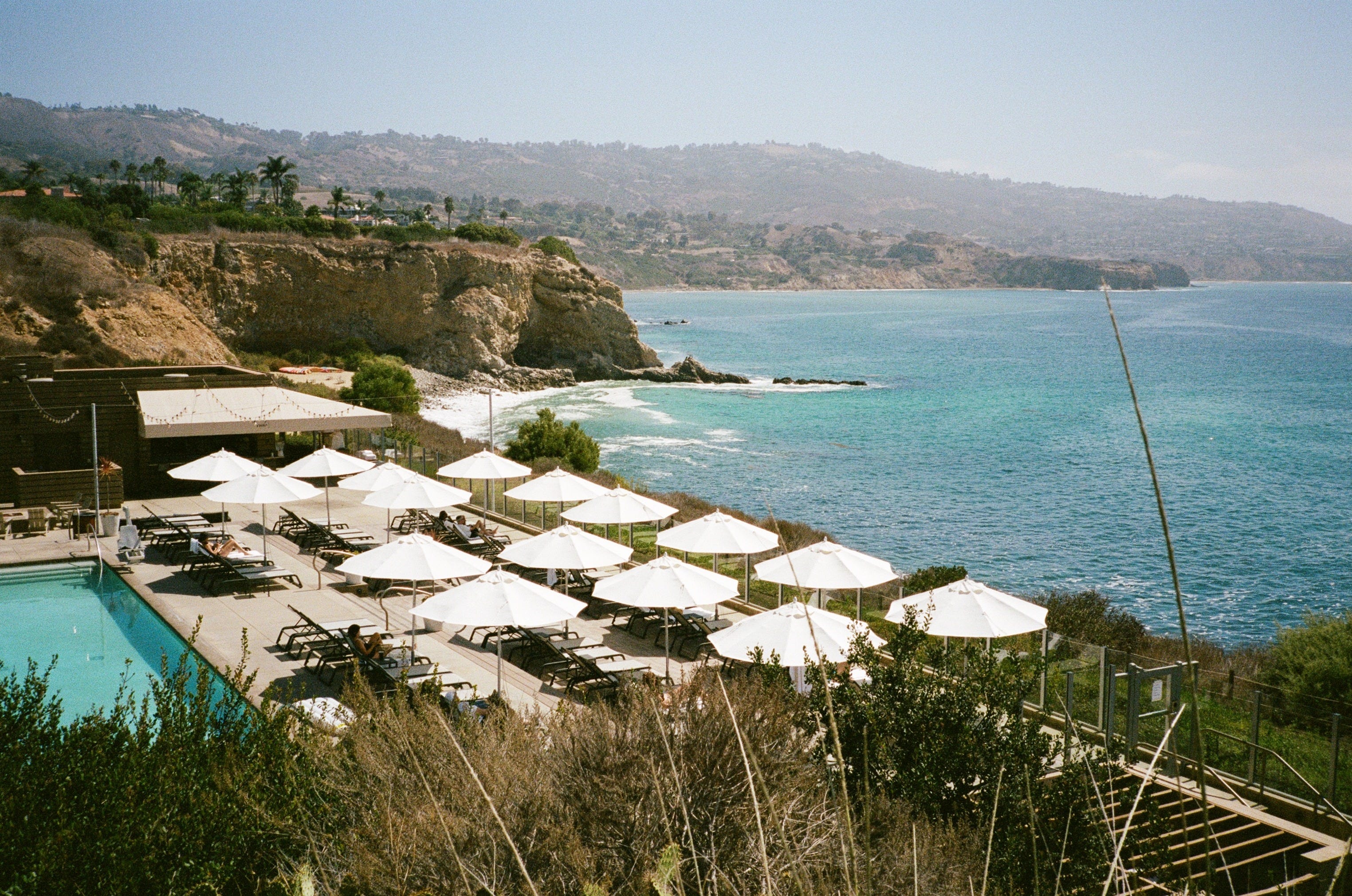
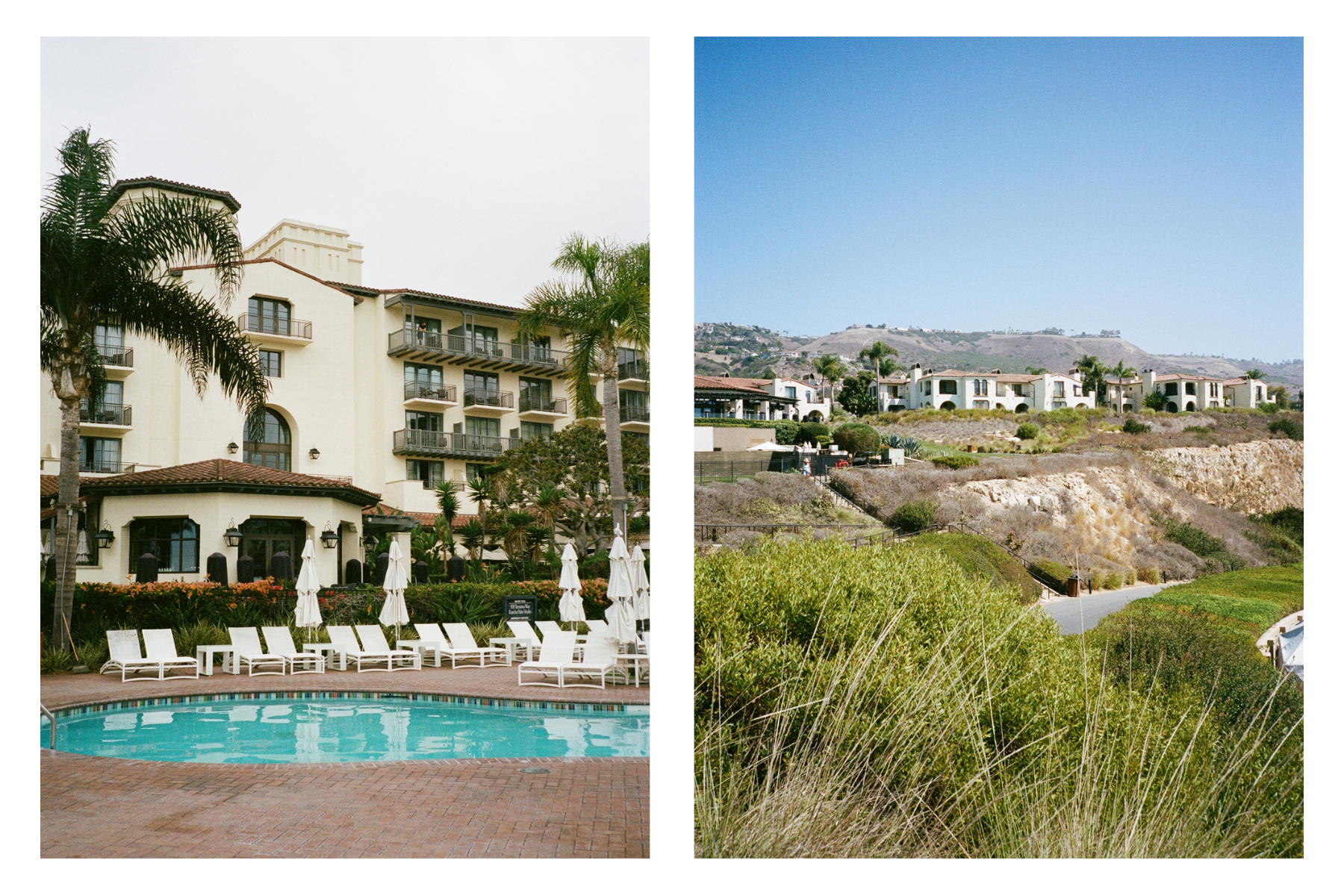
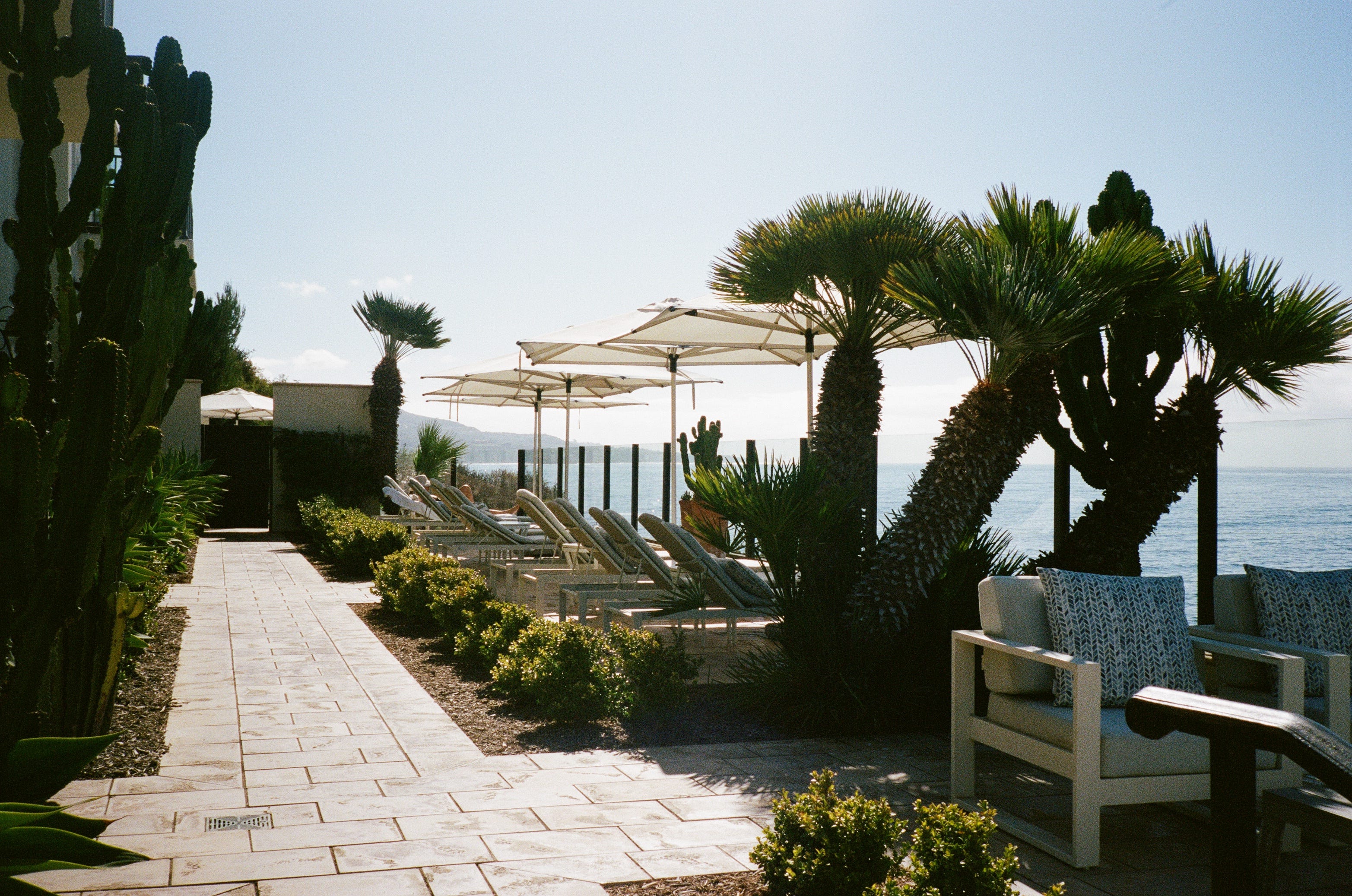
The 360-room main hotel is flanked by 20 bungalows, 50 casitas, and 32 villas. Add the four pools, nine restaurants and bars, golf course, 50,000-square-foot spa, and seemingly endless public trails, beach access, and hidden corners overlooking the Pacific, and this resort is officially my new favorite LA getaway.
The drive into Terranea is its own experience. Palos Verdes Drive South, a Wild West version of PCH, rises and falls like a small roller coaster. Its cracked and repeatedly patched asphalt sent our stomachs for loops. I later learned — while looking on Zillow and finding what should be a $3M house on the market for closer to $1M — that the road passes through the Portuguese Bend Landslide.
At the height of its recent acceleration in 2024, the land was moving roughly one foot per week and parts of the road needed to be repaved every two to three weeks. That September, the city of Rancho Palos Verdes invested over $33M as part of an emergency effort to slow the movement by installing deep wells to pump out the groundwater fueling the slide. So far, it’s working.
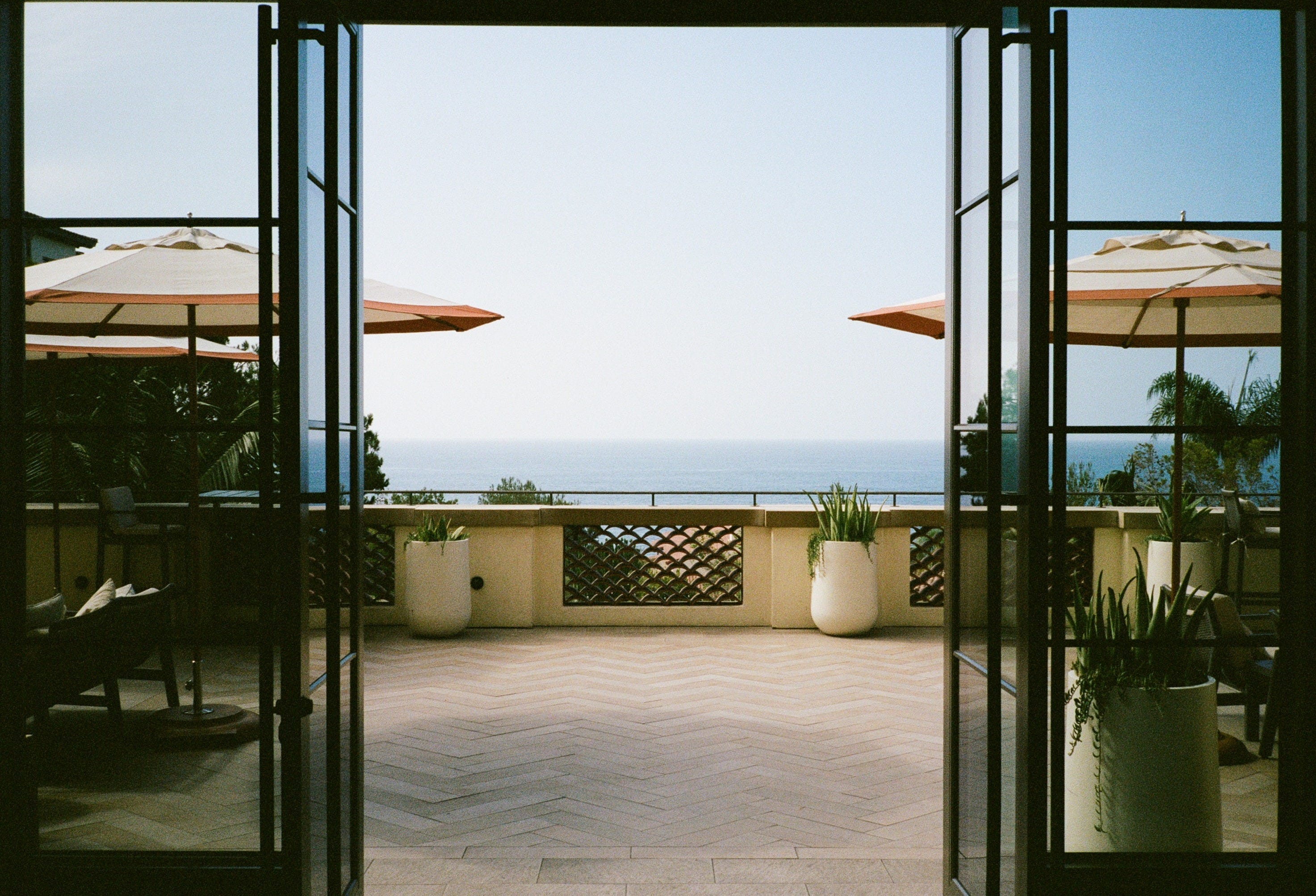
Turning into Terranea felt like crossing into another world, one of permanence and heritage. A large fountain anchors the valet arrival, and the lobby opens almost immediately onto an uninterrupted view of the sea. The hotel’s Mediterranean character is intentional: an invented lineage referencing Frank Vanderlip’s early-20th-century vision of Palos Verdes as a Mediterranean coastal colony. Hill Glazier Architects and Scheurer Architects designed the resort to feel connected to that history, despite it being completed in 2009.
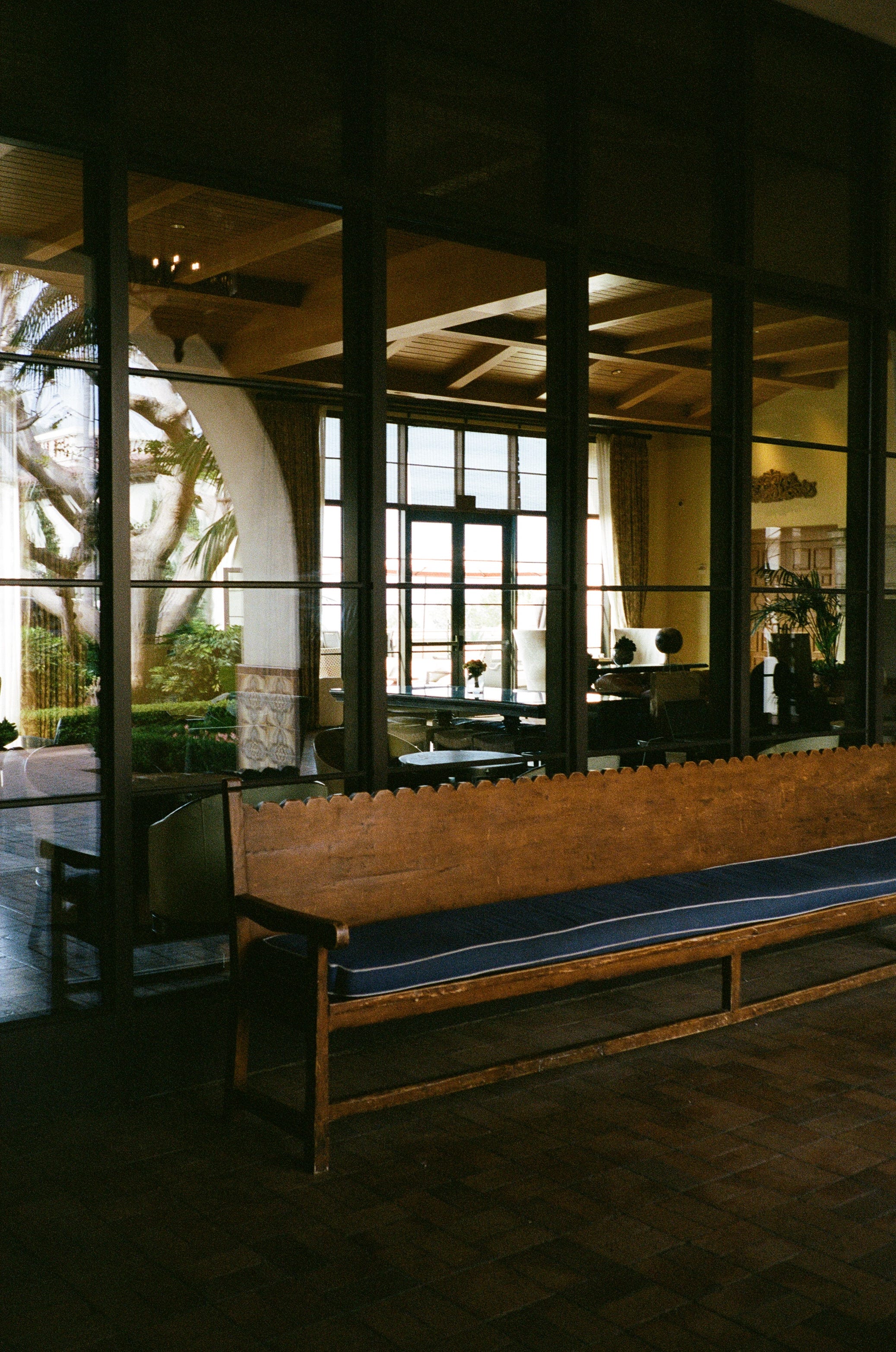
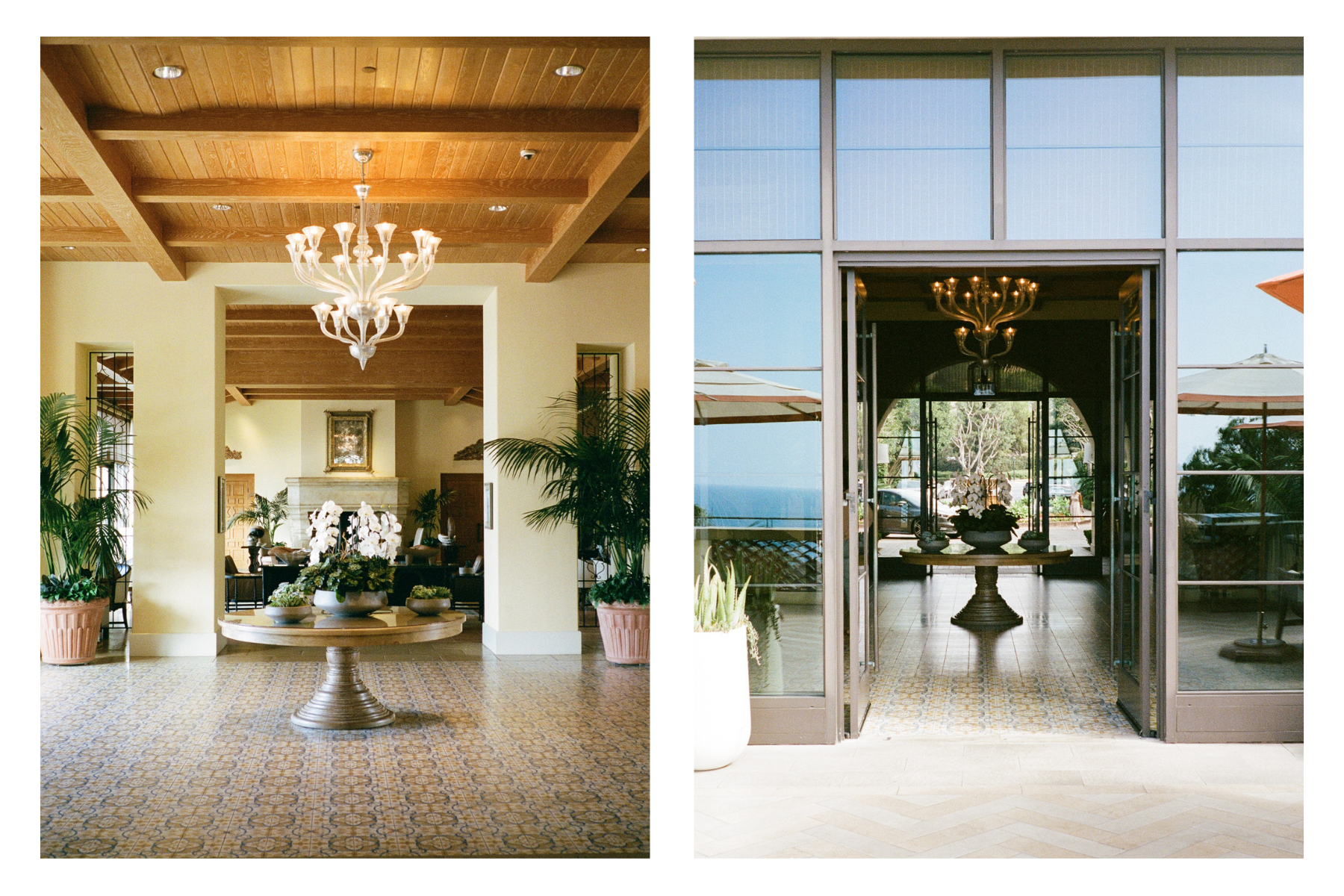
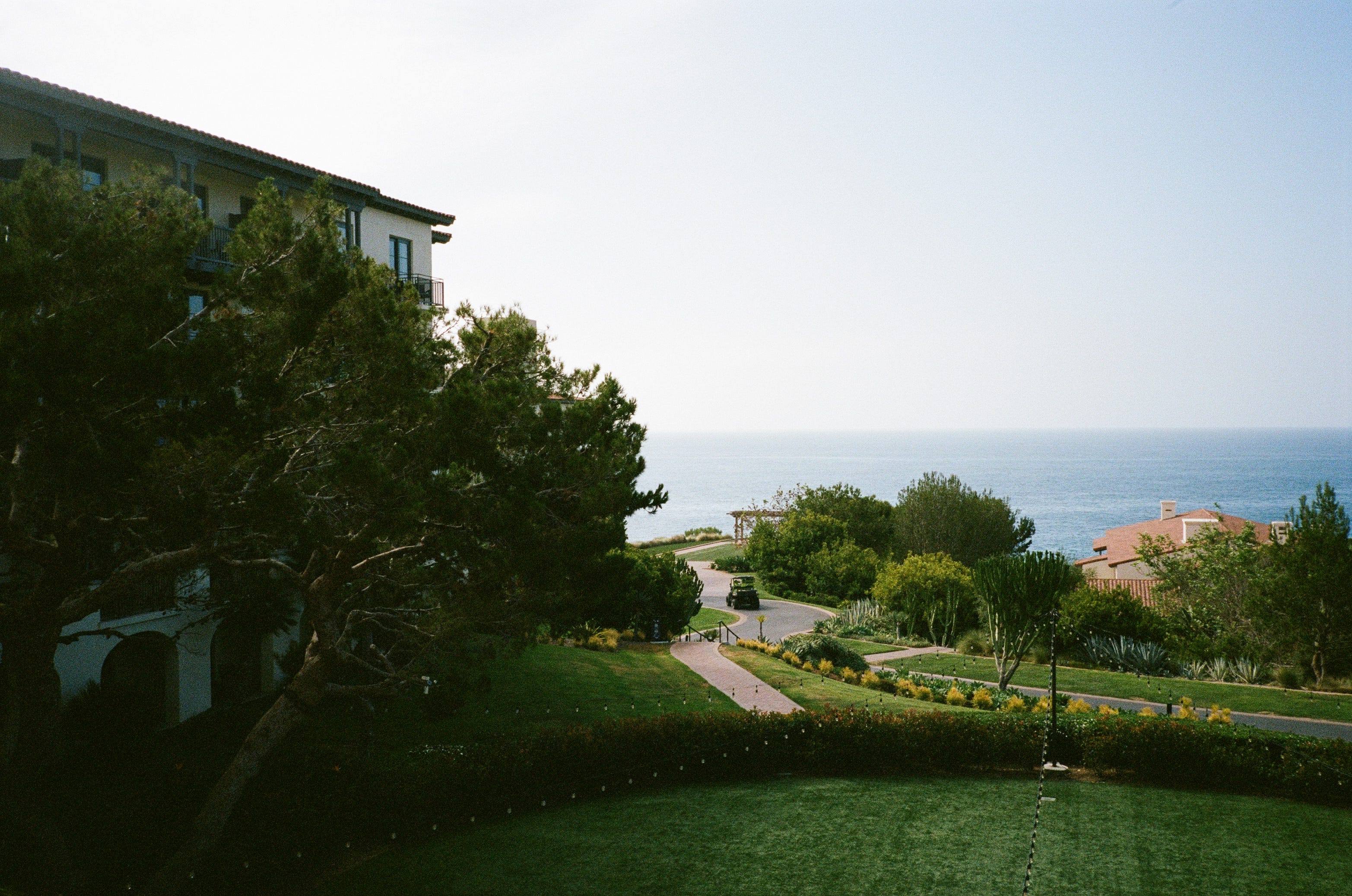
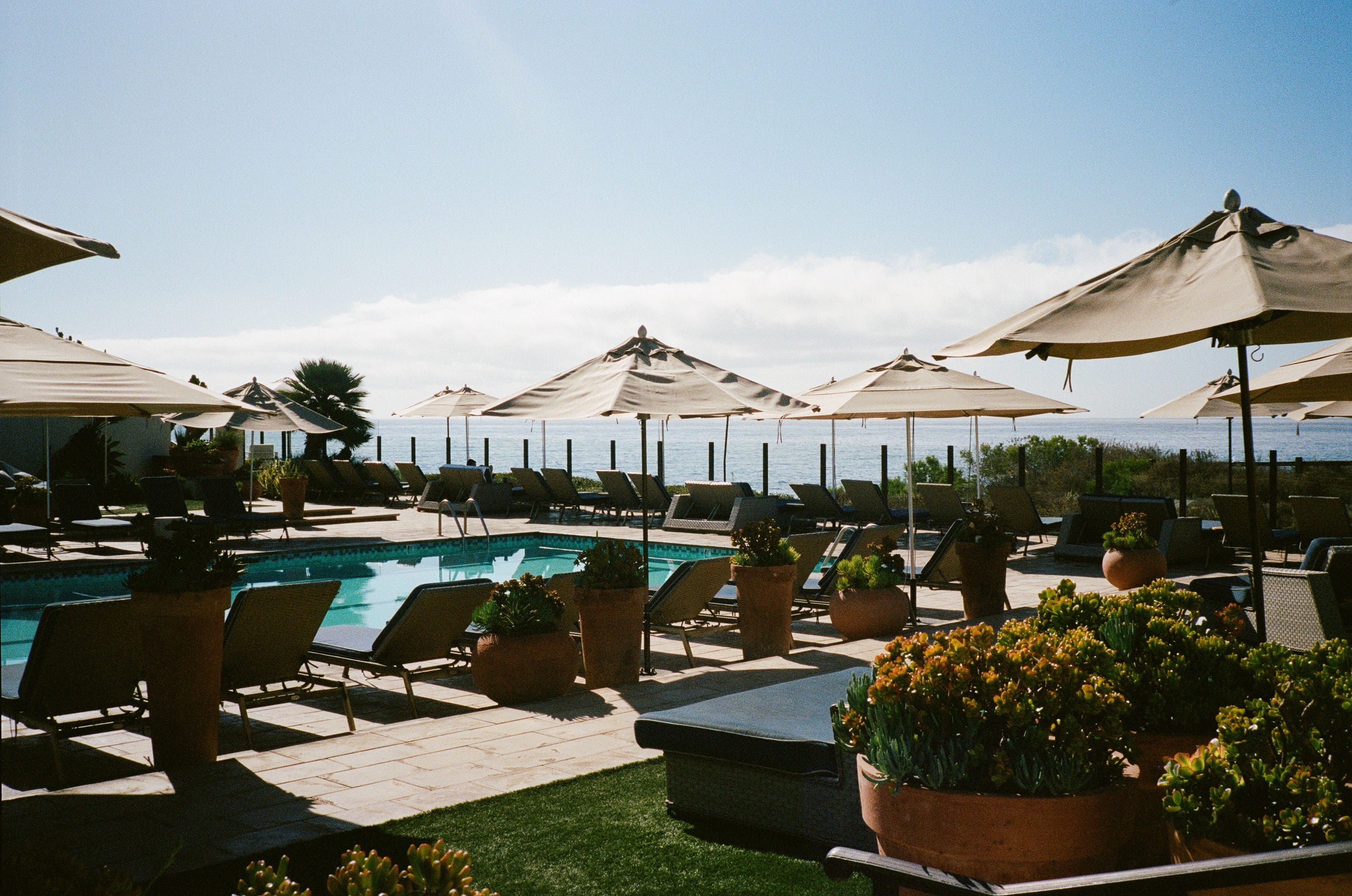
We traveled as three generations: my parents, in their sixties and seventies; my husband; our one-and-a-half-year-old son; and me. When we arrived on Sunday, the resort was packed. That night we saw a sunset wedding on the bluffs, with a big party on the back lawn. By Monday, the wedding and weekend guests had left, and we had the main family pool, including its 140-foot waterslide, almost entirely to ourselves.
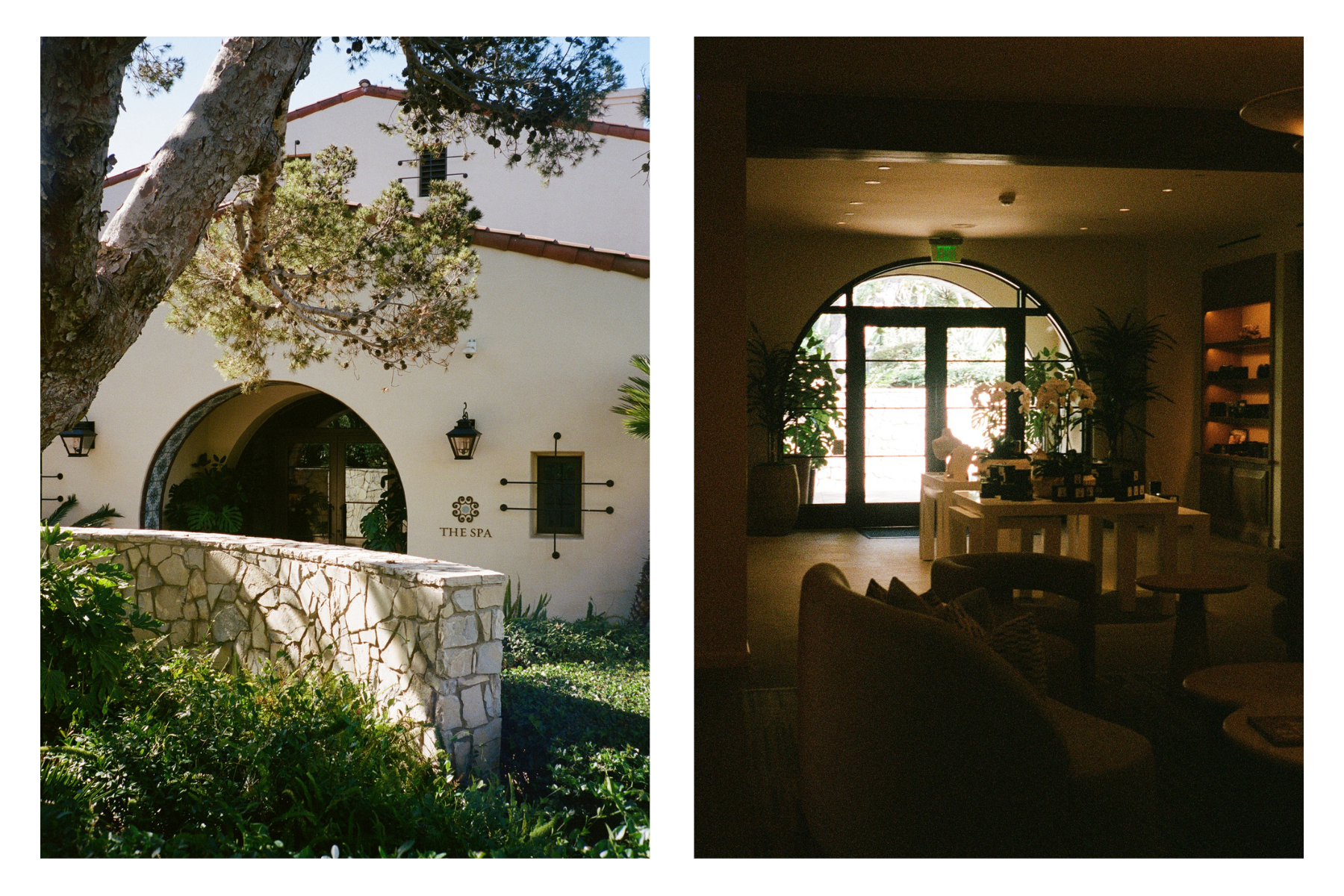
The best part of the resort is the adults-only spa. The 50,000-square-foot space was renovated in 2025 for $4.5 million by Los Angeles–based RVD Associates and includes a cold plunge, hot tub, eucalyptus steam room, salt sauna, and quiet corners arranged around an oceanfront pool.
This is where you see solo travelers recharging, couples reconnecting, and groups of women settling in for the day. A hot tip for LA locals: Terranea currently offers a $150 public spa pass Monday through Thursday, excluding holidays. Availability is limited, and passes are reserved by calling the morning of. I am already scheming on how to work being a regular here into my routine, and planning to return with a friend for her birthday at the end of this month.
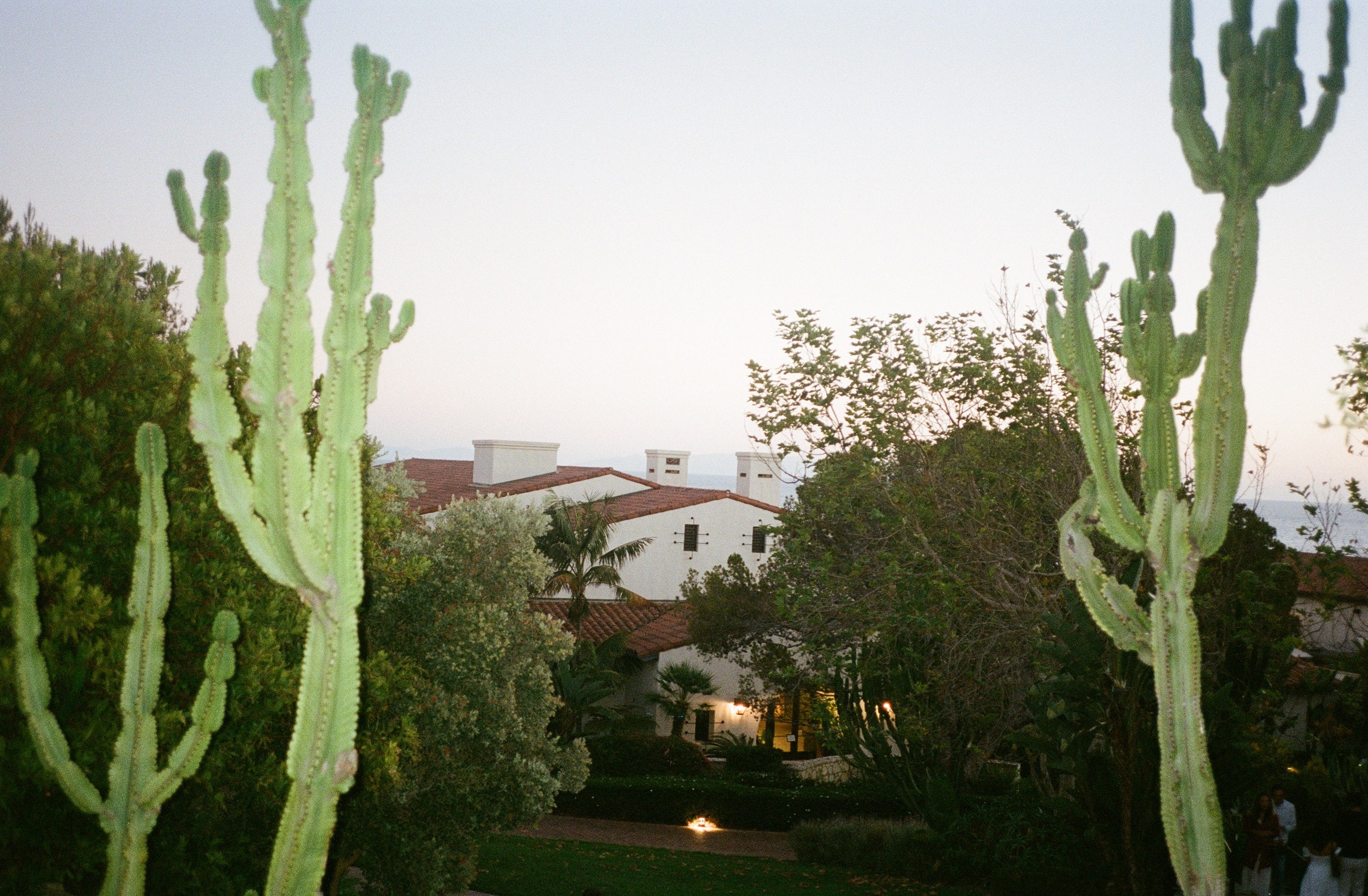
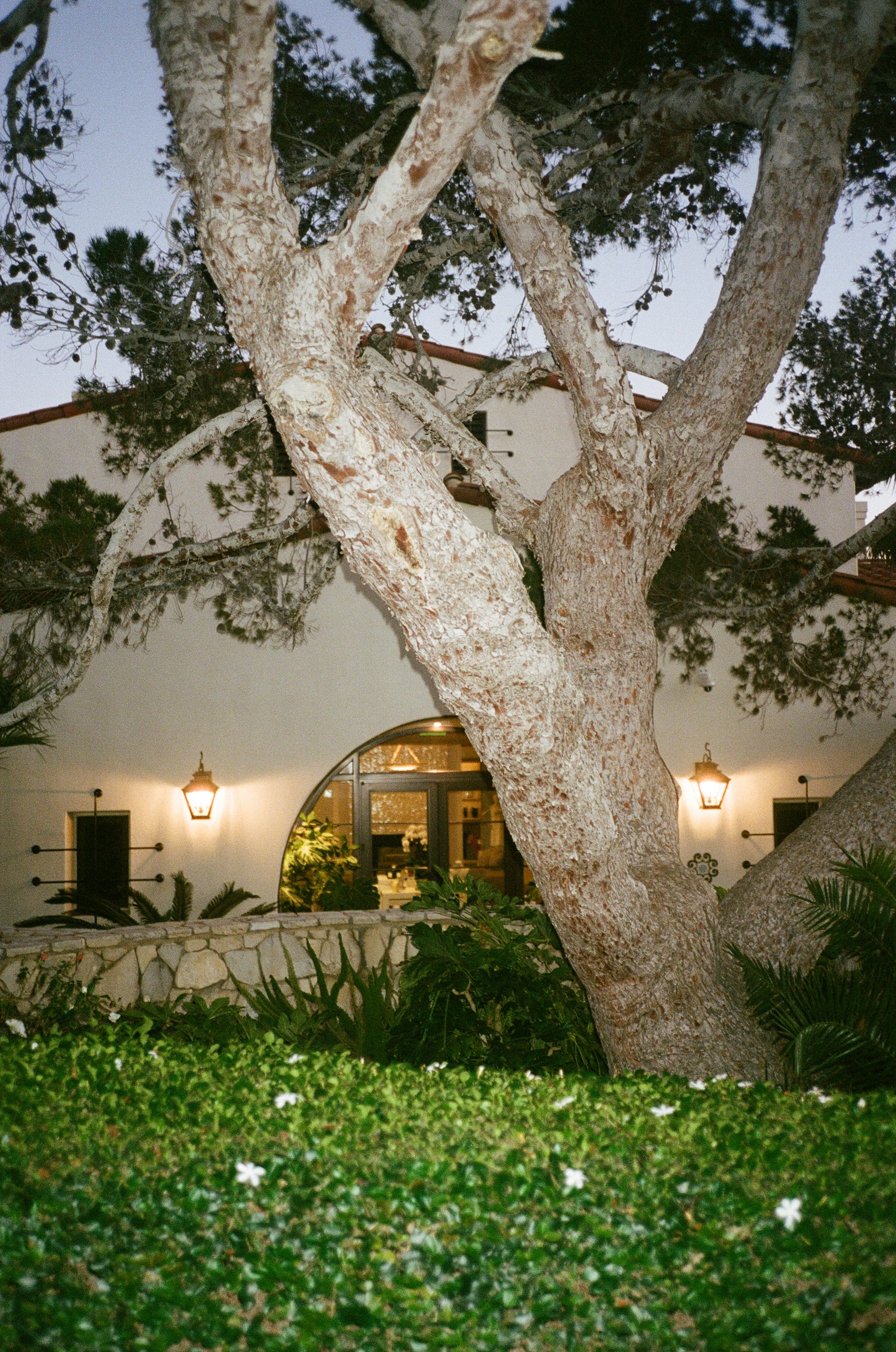
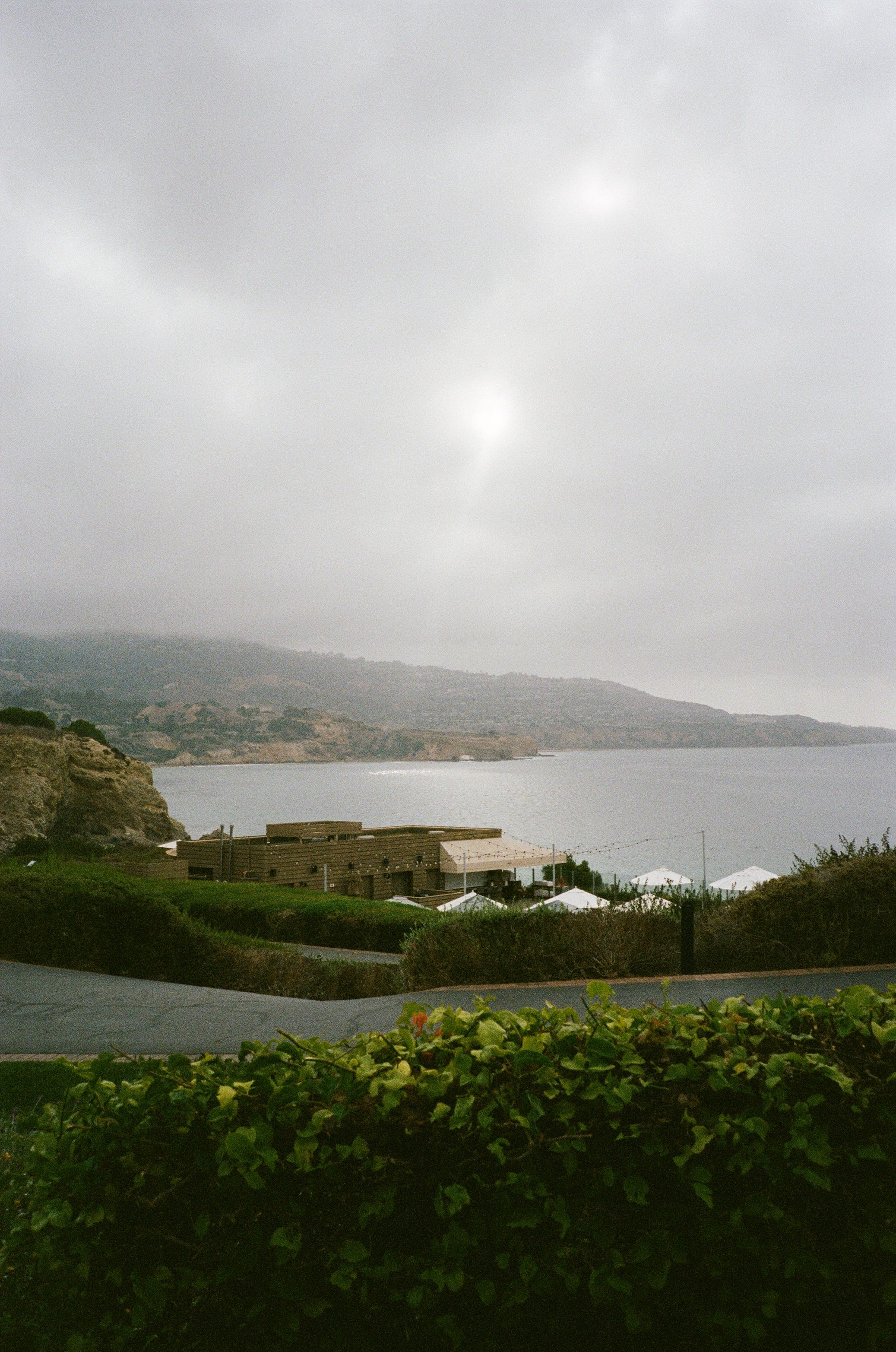
The first night, we walked down toward the cliffs for a seafood boil at Nelson’s, Terranea’s oceanfront casual dining spot. The boil had snow crab, shrimp, lobster, sausage, potatoes, cornbread, and live music. For a moment, as we watched the sunset while the band sang, Boot Scootin’ Boogie and Friends in Low Places, the Pacific felt like the Southern Atlantic.
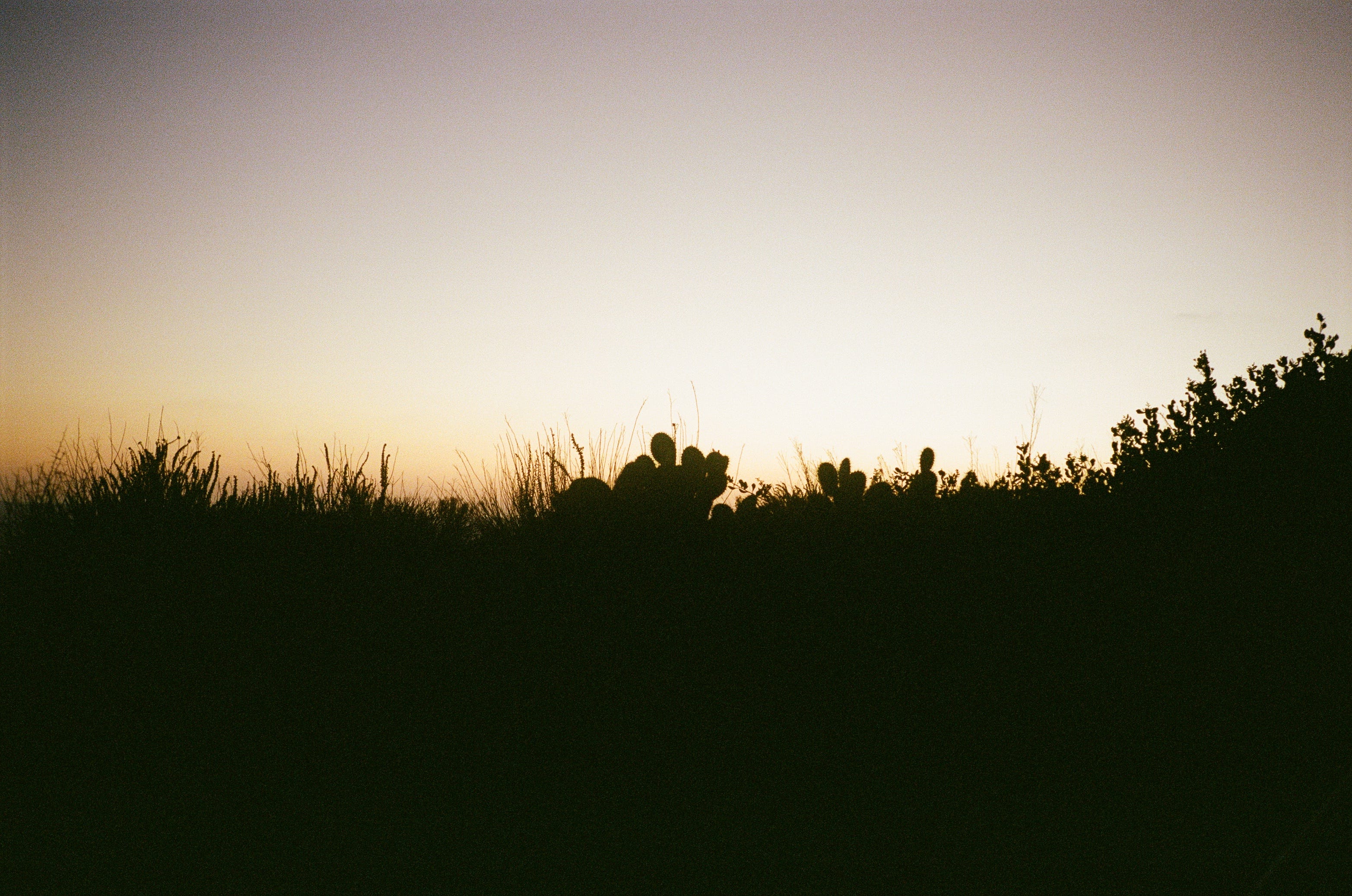
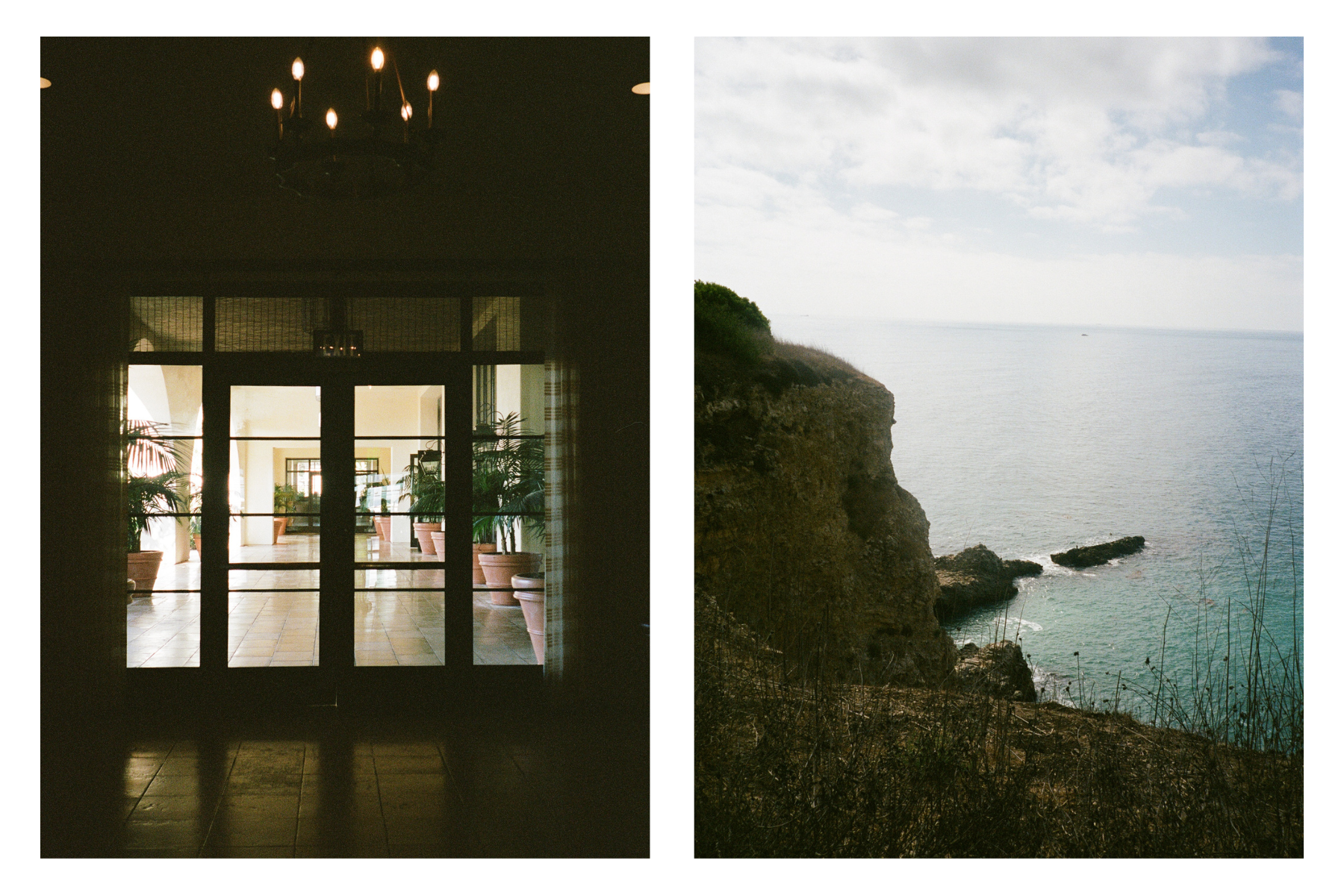
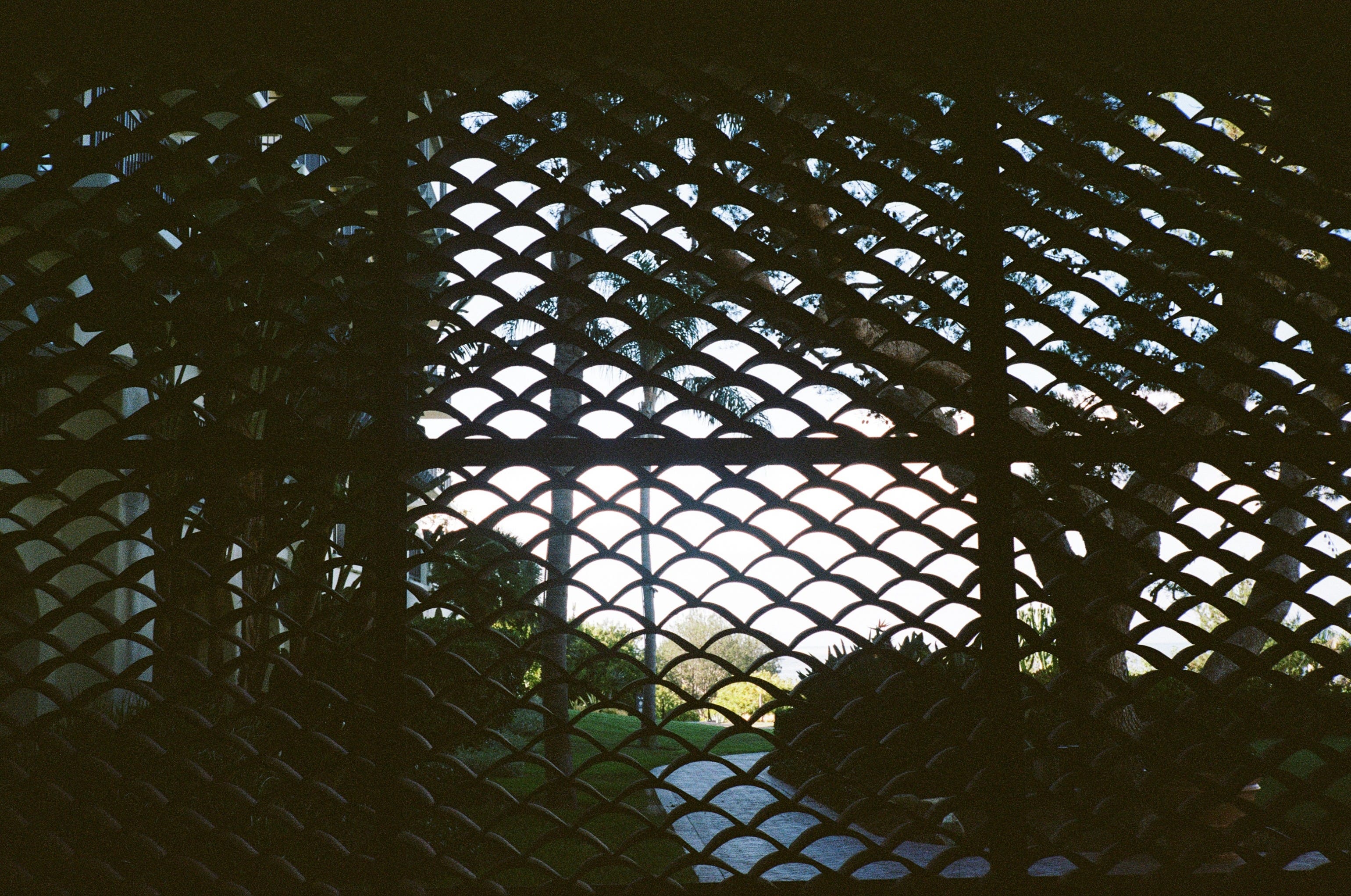
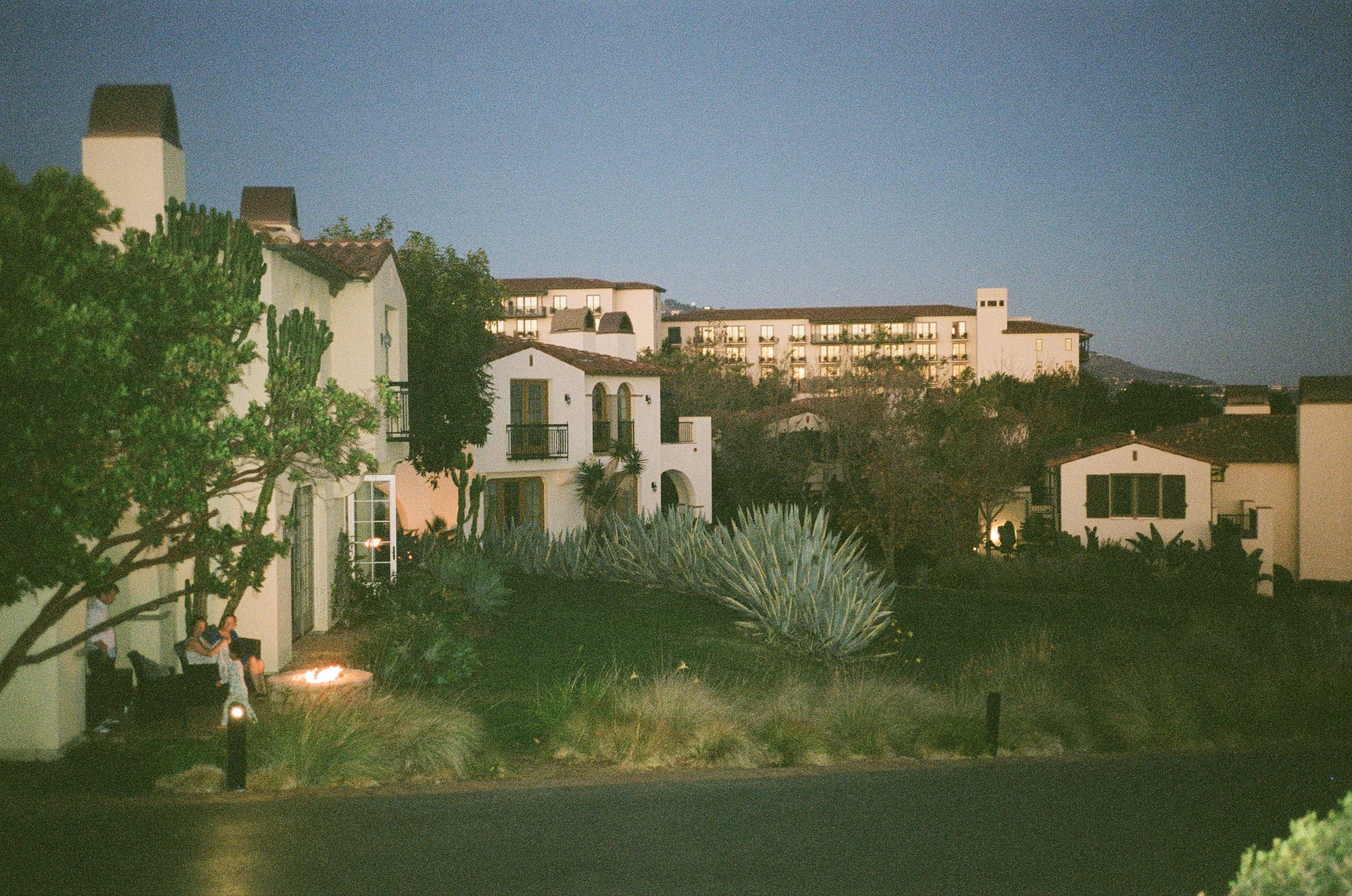
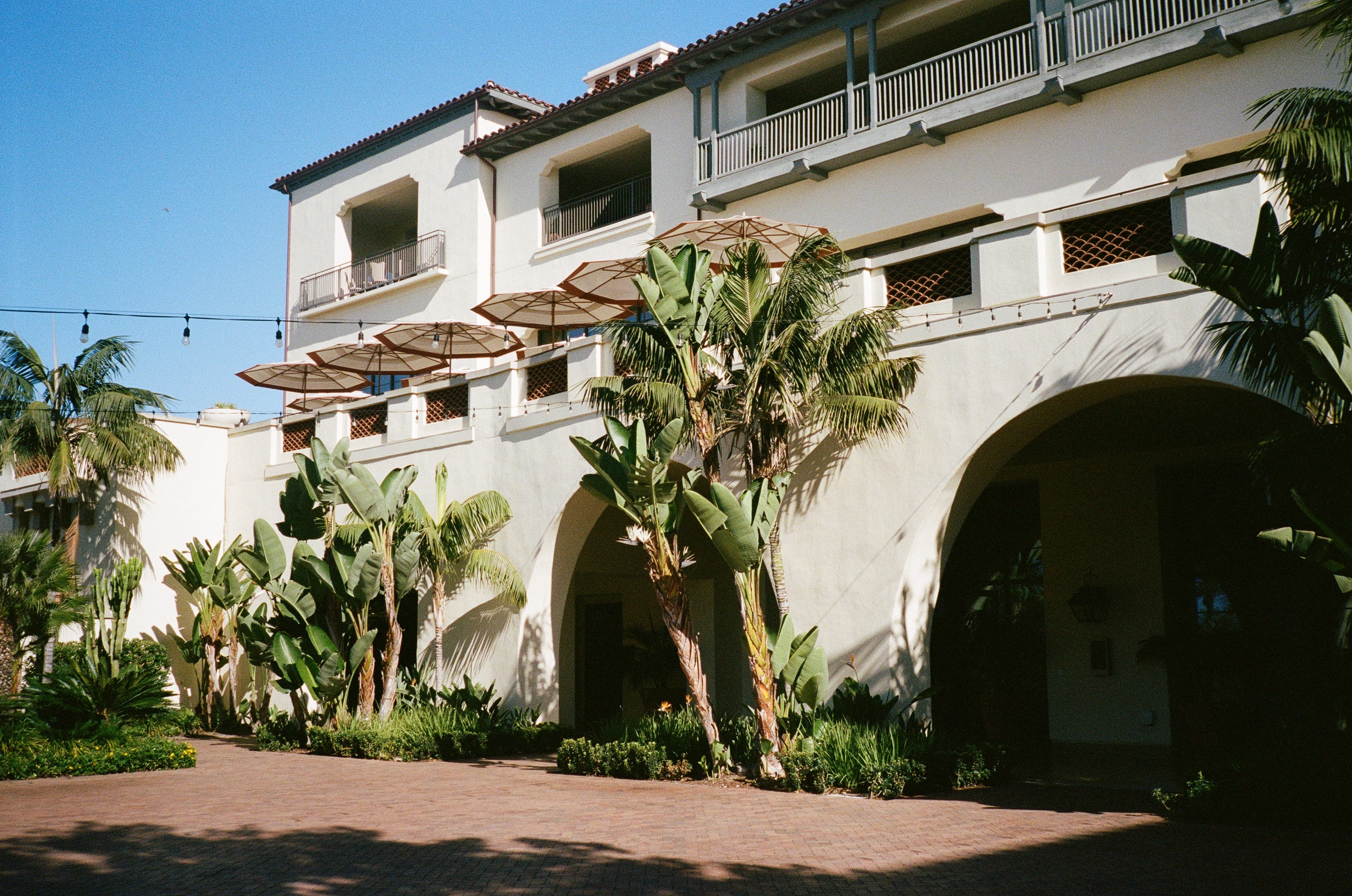
Our best meal was at mar’sel, the property’s fine-dining restaurant, floating above the water with views of Catalina Island, dolphins flipping in the distance, and cottontail rabbits appearing and disappearing into the shrubs. We enjoyed corn bisque with lump crab, handmade lobster pasta, and filet mignon, followed by cheesecake and pot de crème. All while overlooking a seaside sunset.
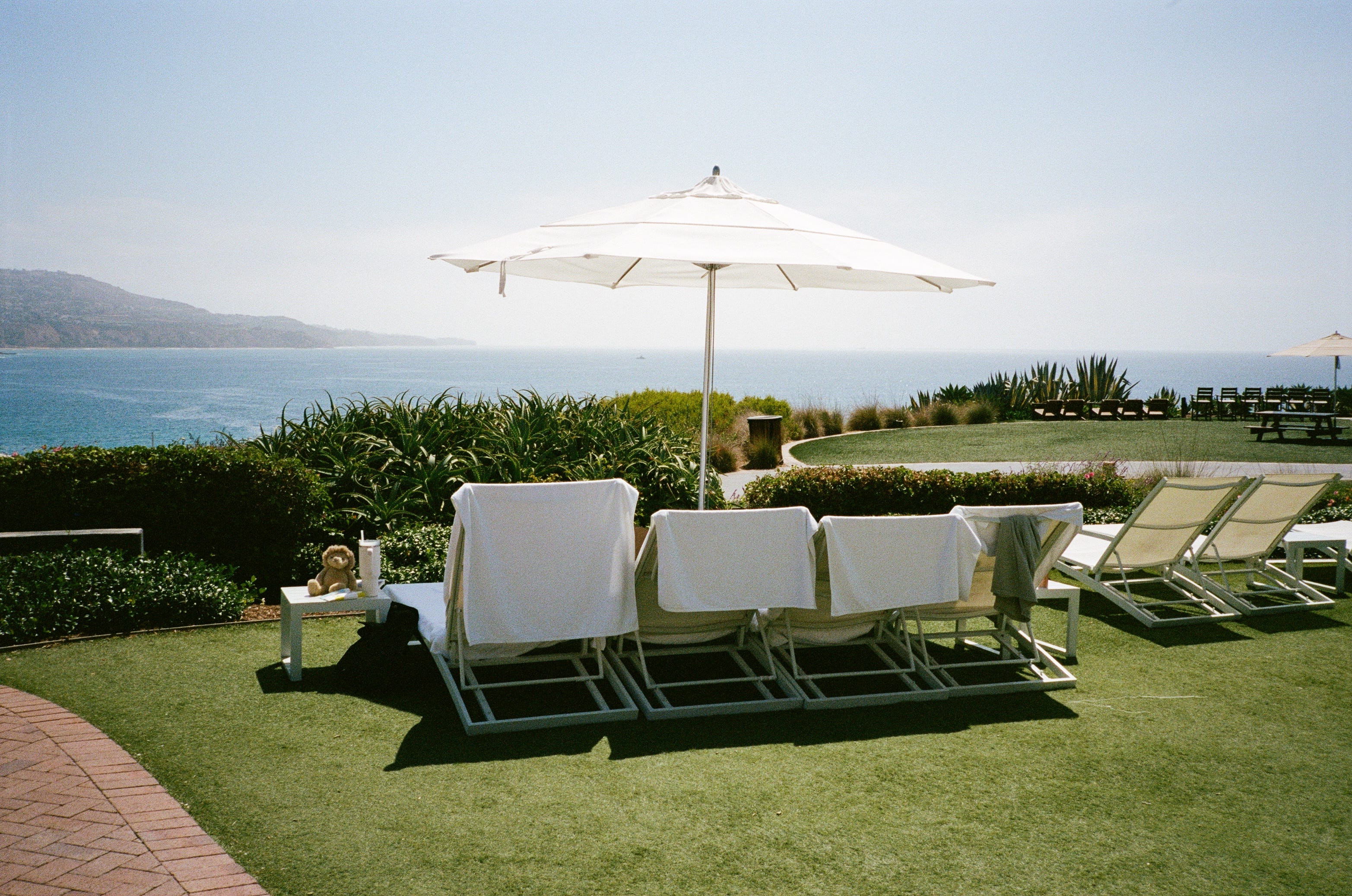
The pool food was mid: your standard burgers, quesadillas, and Caesar salads. But eating it from a lounge chair facing the Pacific for five days was exactly what all of us needed. Room service was better than average, and the various bars made exquisite cocktails and mocktails.
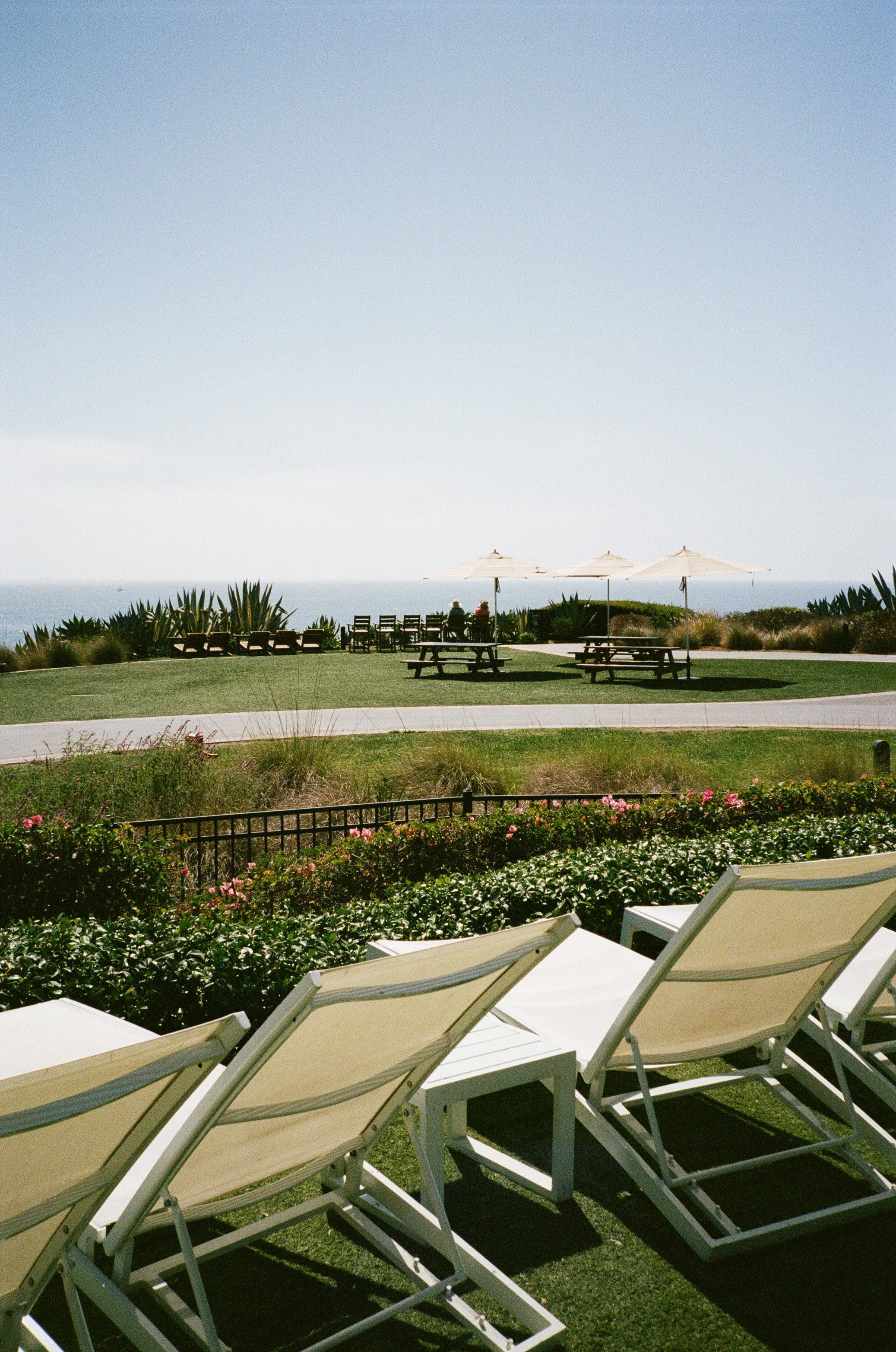
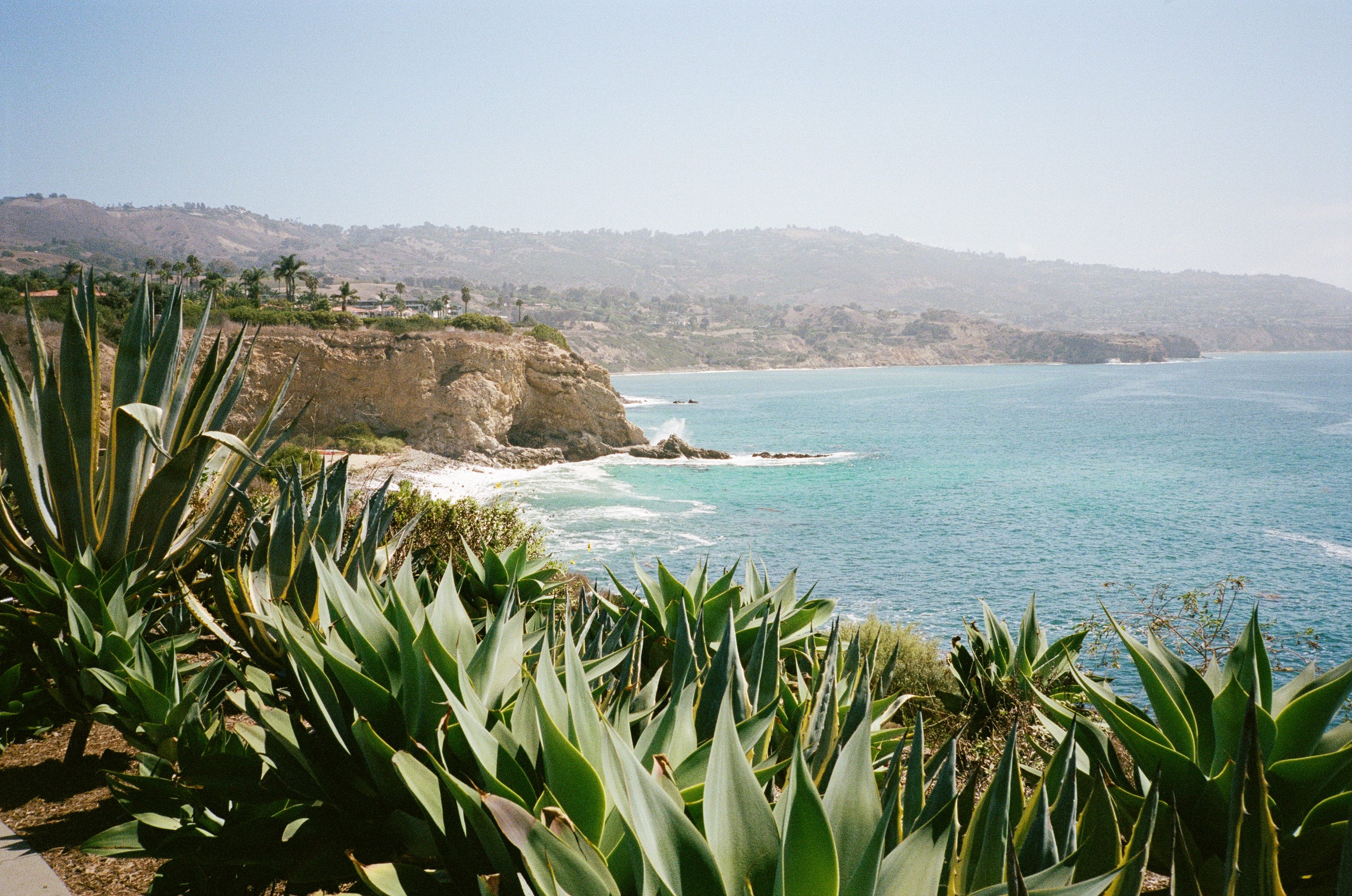
The resort became more interesting once I learned what had occupied the land before it.
Terranea opened in 2009 after a decade of planning and construction on the former site of Marineland of the Pacific. When the Sea World-esque park opened in 1954, one year before Disneyland, it was the world’s largest oceanarium and is often described as California’s first major theme park. It remained on the land until 1987. I’m relieved to know that now the only dolphins you see from here are swimming wild and free along the horizon.
There is another, less known layer of history here. Before Marineland, Japanese families farmed the southern slopes of the Palos Verdes Peninsula until WWII when they were unjustly forcibly removed. Before that, the peninsula was home to the Tongva, who lived in villages along the coast and sustained themselves through fishing, hunting, gathering, and trade. This layered history is a reminder that every seemingly untouched landscape has been shaped and stewarded by generations of people.
The land’s previous life lives on through the preserved mature trees, reused material, and names scattered around the property. According to the resort, its buildings occupy only about one-quarter of the site, leaving more than 75 acres as landscape, 14 of those acres dedicated to wildlife habitat rewilded with coastal shrubs native to Palos Verdes and the Channel Islands.
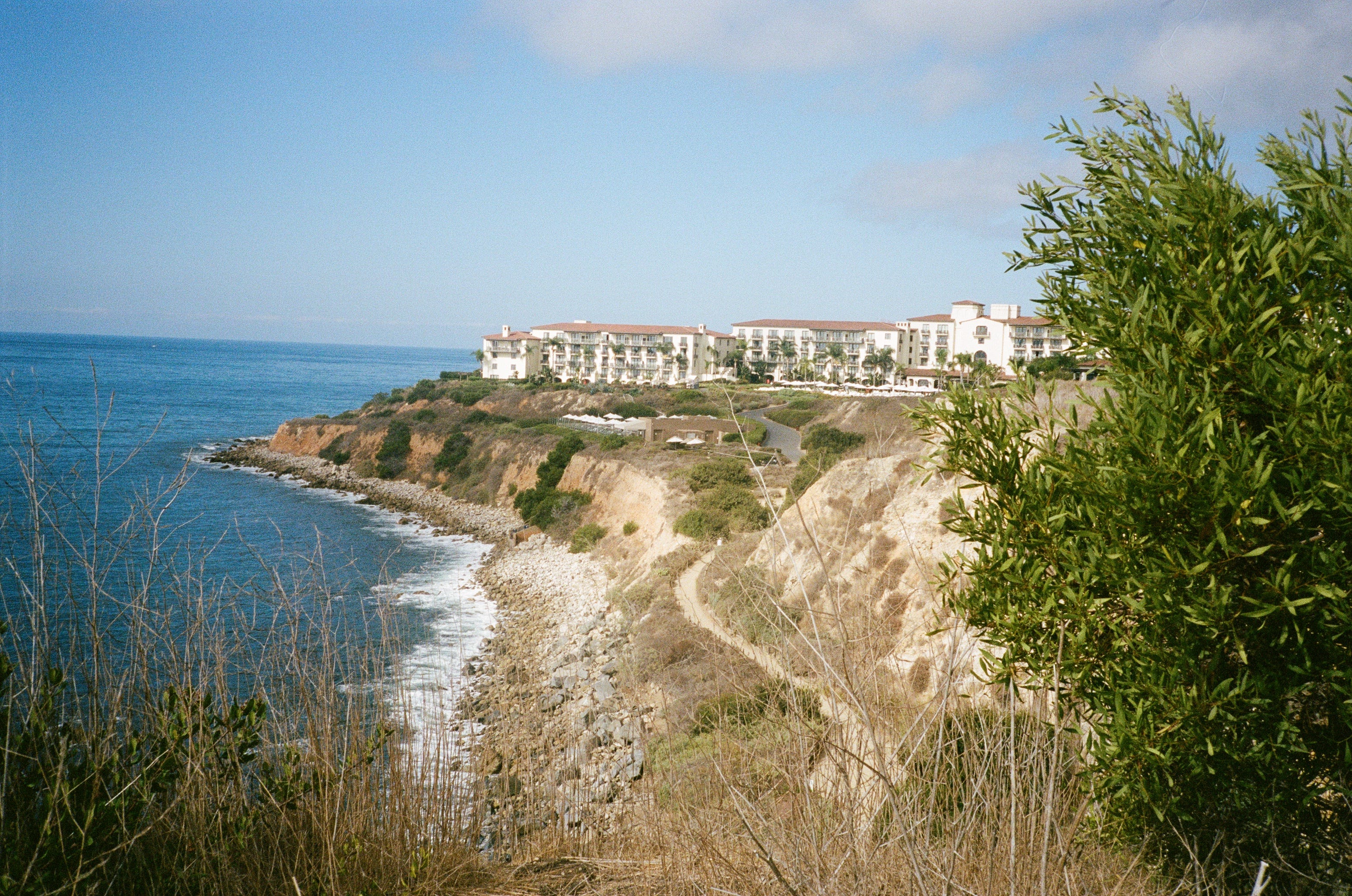
One of the best things about Terranea is that, although it feels like an entirely private world, much of its coastline is legally public. When the California Coastal Commission approved the resort in 2003, they required roughly four miles of bluff trails, hundreds of public parking spaces, beach access, public restrooms, viewpoints, benches, and extensive habitat restoration. You don’t need to spend a dollar to enjoy much of the landscape.
While at the resort you see countless locals walking through the paths with their dogs. The property is clearly a well-loved and highly trafficked area for those who know.
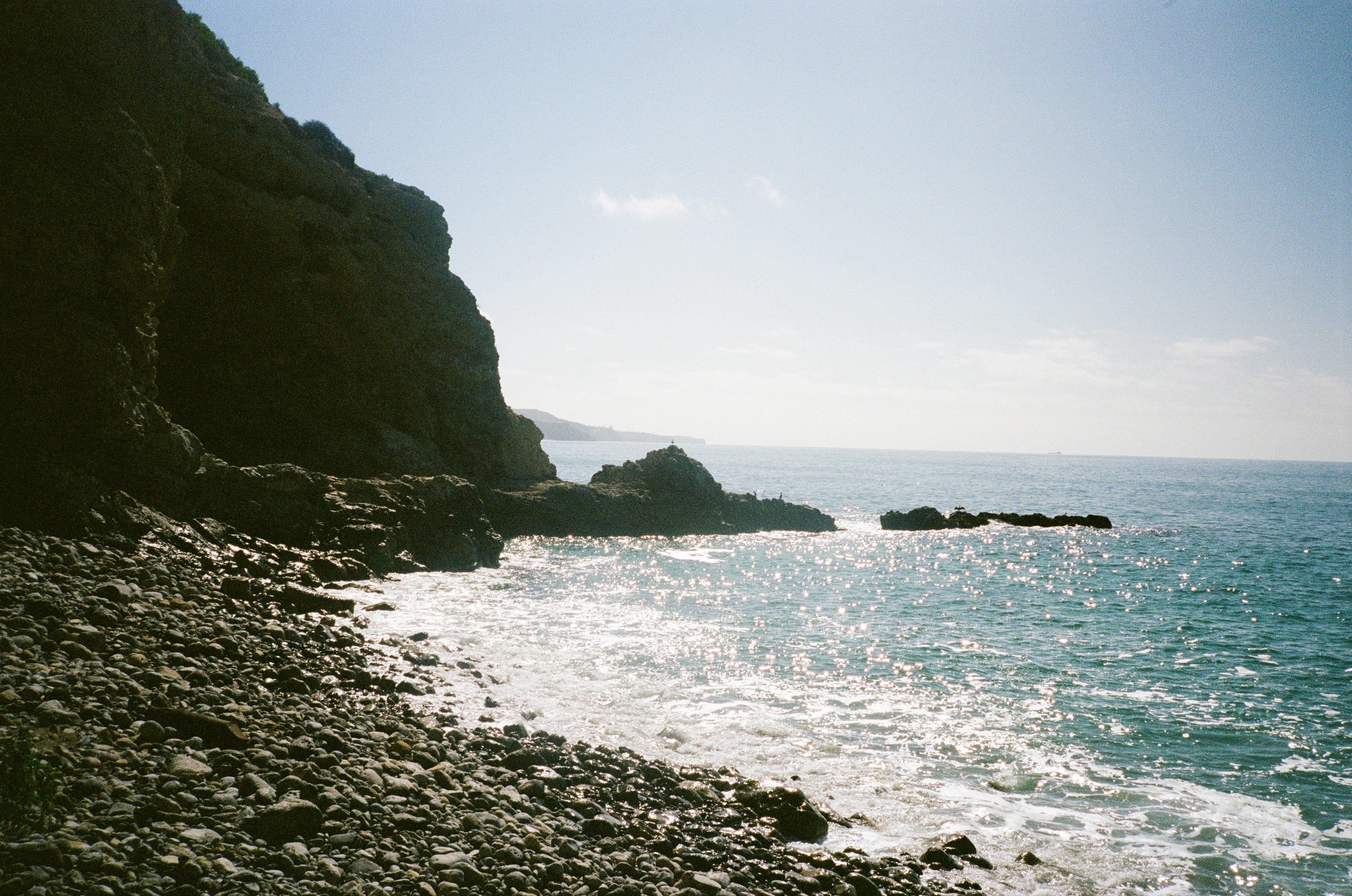
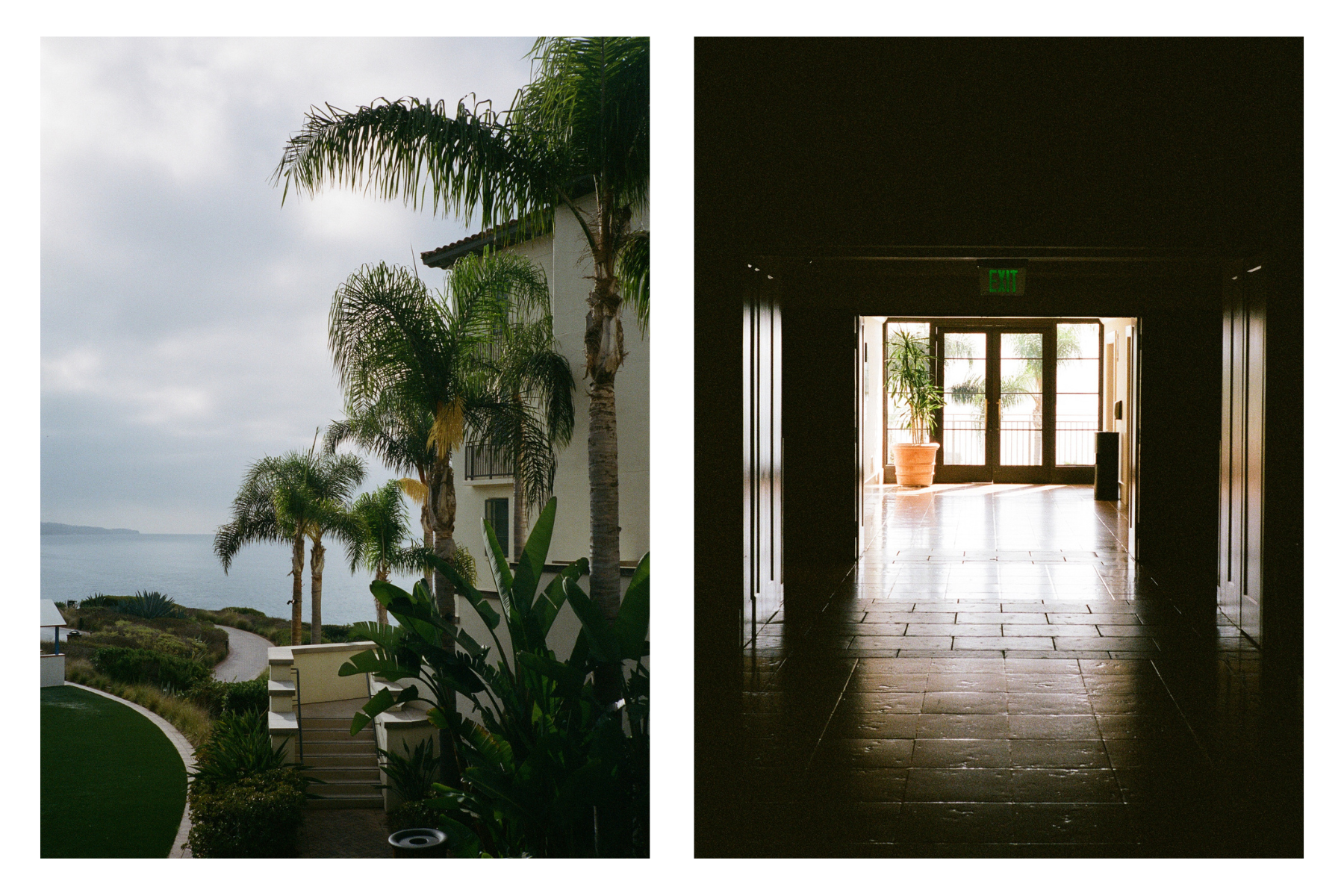
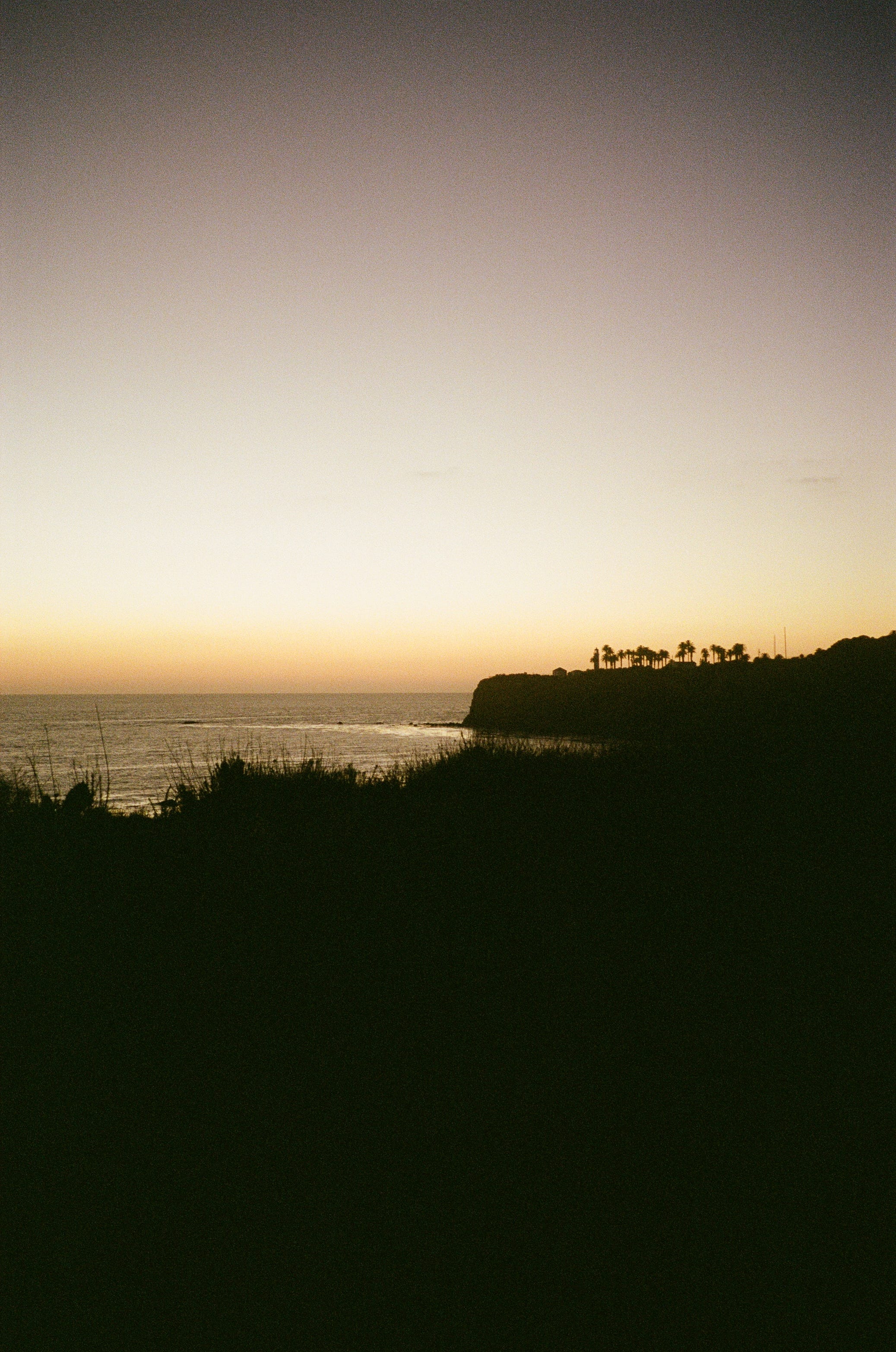
What I loved most was not any single amenity but the way the property allowed three generations of our family to fill their own cup. I witnessed the elation of my son playing on the splash pad and learning to enjoy the pool, saw my parents reconnect with their own inner children on the waterslide, experienced my husband’s joy of getting to slip into fun-dad mode tossing my son into the air in the pool, and I was able to slip into quiet corners with my fantasy novel, the sound of waves crashing and squadrons of pelicans in the distance.
Our family could part ways to indulge our own joy, reunite, and each find a little piece of what we needed from the time away from routine. We all had dinners overlooking the ocean, walks along the bluffs, and several days in which the boundaries of our world simplified to the next swim, meal, walk, or sunset.
Terranea is a curious case of dichotomies: a seventeen-year-old resort designed to feel historic, a private escape with public paths stitched throughout, and a feeling of permanence set adjacent to continually shifting land. It has its contradictions, but what in California doesn’t?
I will be back. Many more times.
Visit Terranea at 100 Terranea Way, Rancho Palos Verdes, CA 90275.
100/10 will be visiting Terranea