


SANCTUARIES LA EXPLORES THE QUIETER SIDE OF LOS ANGELES THROUGH DESIGN.
ROOTED IN THE BELIEF THAT SANCTUARY EXISTS EVERYWHERE, OFTEN HIDDEN IN PLAIN SIGHT.
IF YOU ENJOY THIS PUBLICATION, CONSIDER SUBSCRIBING OR SHARING IT WITH A FRIEND.
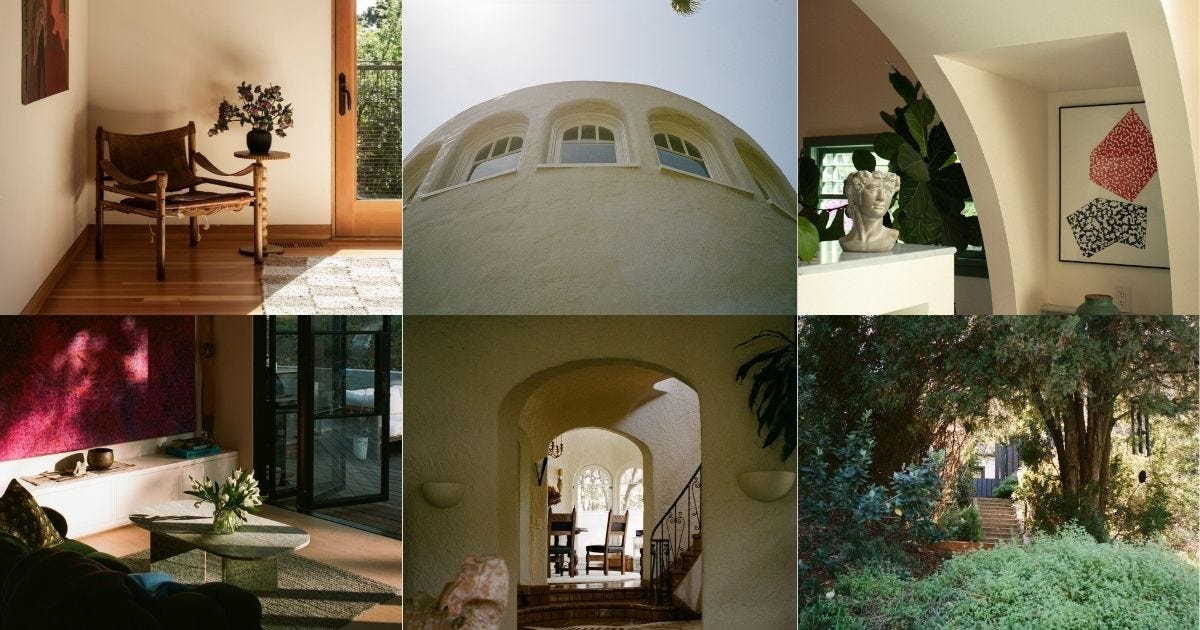
A home is not a product.
But by the time one comes to market, it has often been made to look like one. Family photographs disappear. Bookshelves are thinned. Countertops are cleared.
The evidence of routines, eccentricities, and ordinary life is edited away. What remains is translated into the language of a listing: bedrooms, bathrooms, square footage, lot size, finishes, views.
This serves a purpose; a prospective buyer needs enough room to imagine a life of their own. But somewhere in the effort to make a home legible to everyone, we risk removing the very thing that made it valuable to someone.
The life that happened there.
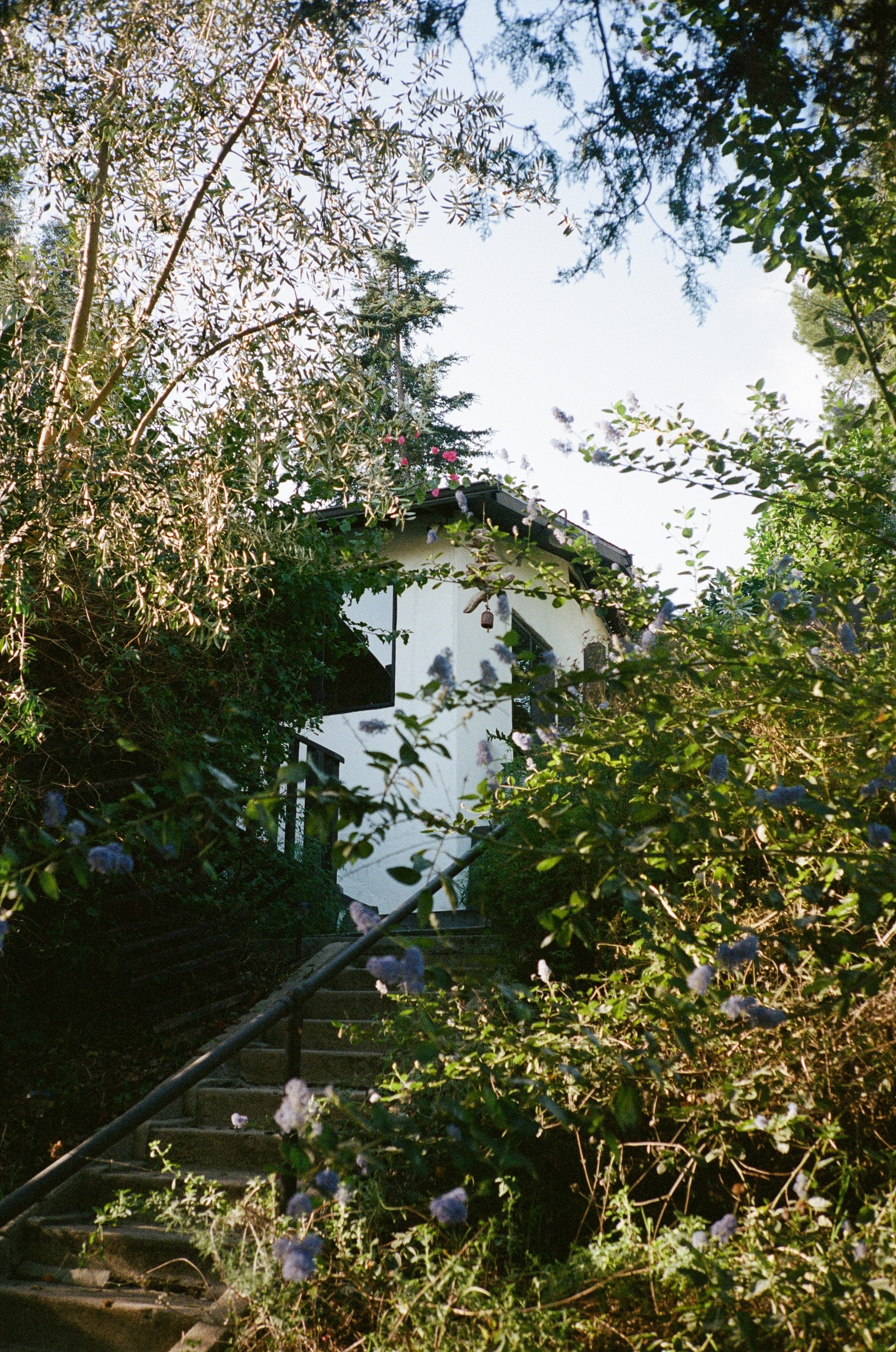
Preservation and adaptation are not opposites; adaptation is often what allows a place to survive.
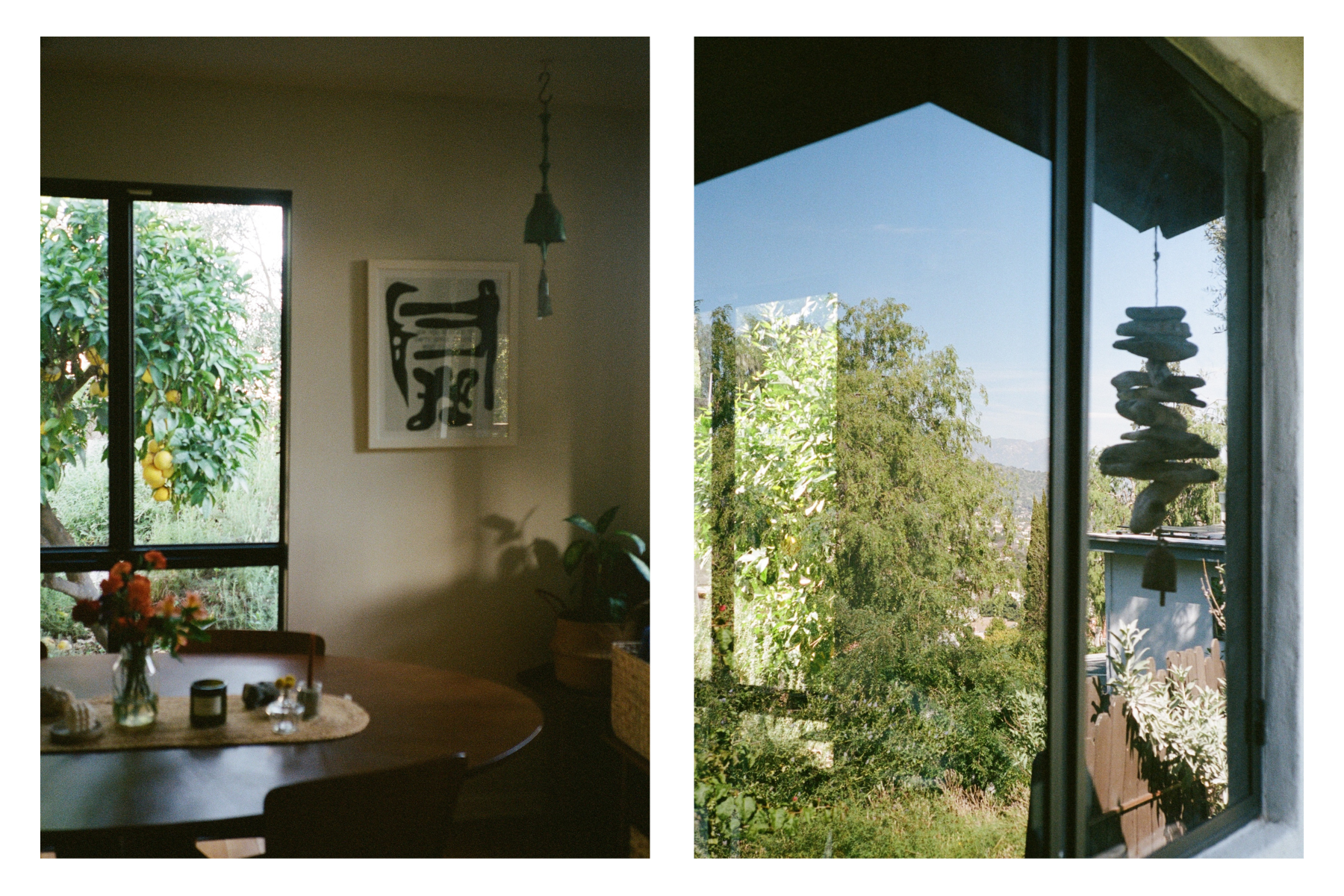
When we bought our house in Northeast Los Angeles, the previous owner was a union set builder and fabricator. You could see his way of thinking everywhere: an industrial wok turned into a kitchen sink, a custom glass door with its lock set into the wall, a small opening cut between the bedroom and living room to pull light deeper into the house.
These interventions were beautiful, practical, and slightly strange. Without their history, they might have read as things to correct. Knowing who made them changed the way I saw them. They became evidence of someone solving problems with the skills and materials he understood.
The house was nearly a century old when we arrived. It had been built, modified, repaired, and adapted by people we would never meet. We did not inherit an untouched artifact.
We inherited an accumulation of a hundred years of life lived: childhoods, deaths, laughter, grief. That accumulation is the house.
I thought about this concept again when I met Bradford Craig.
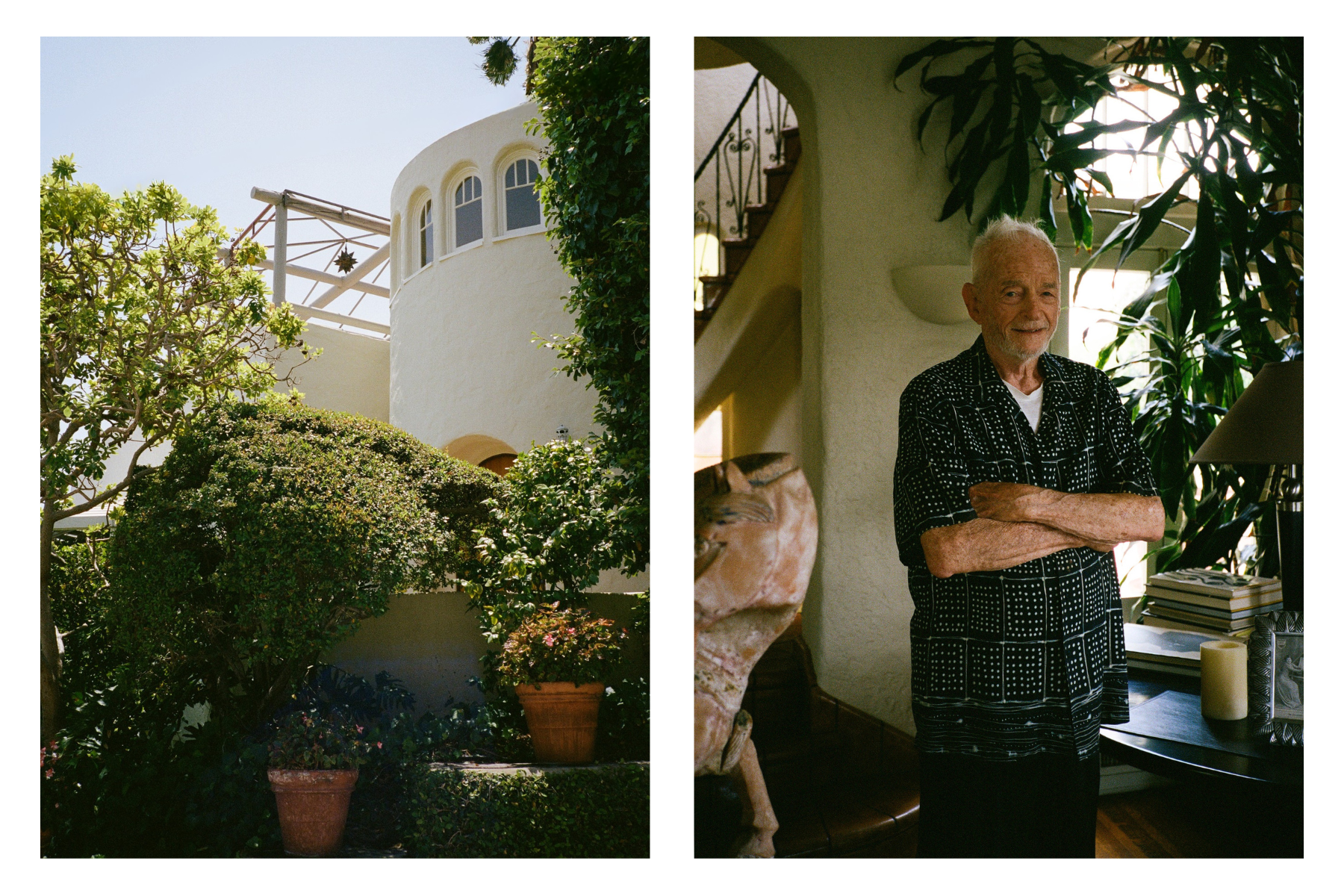
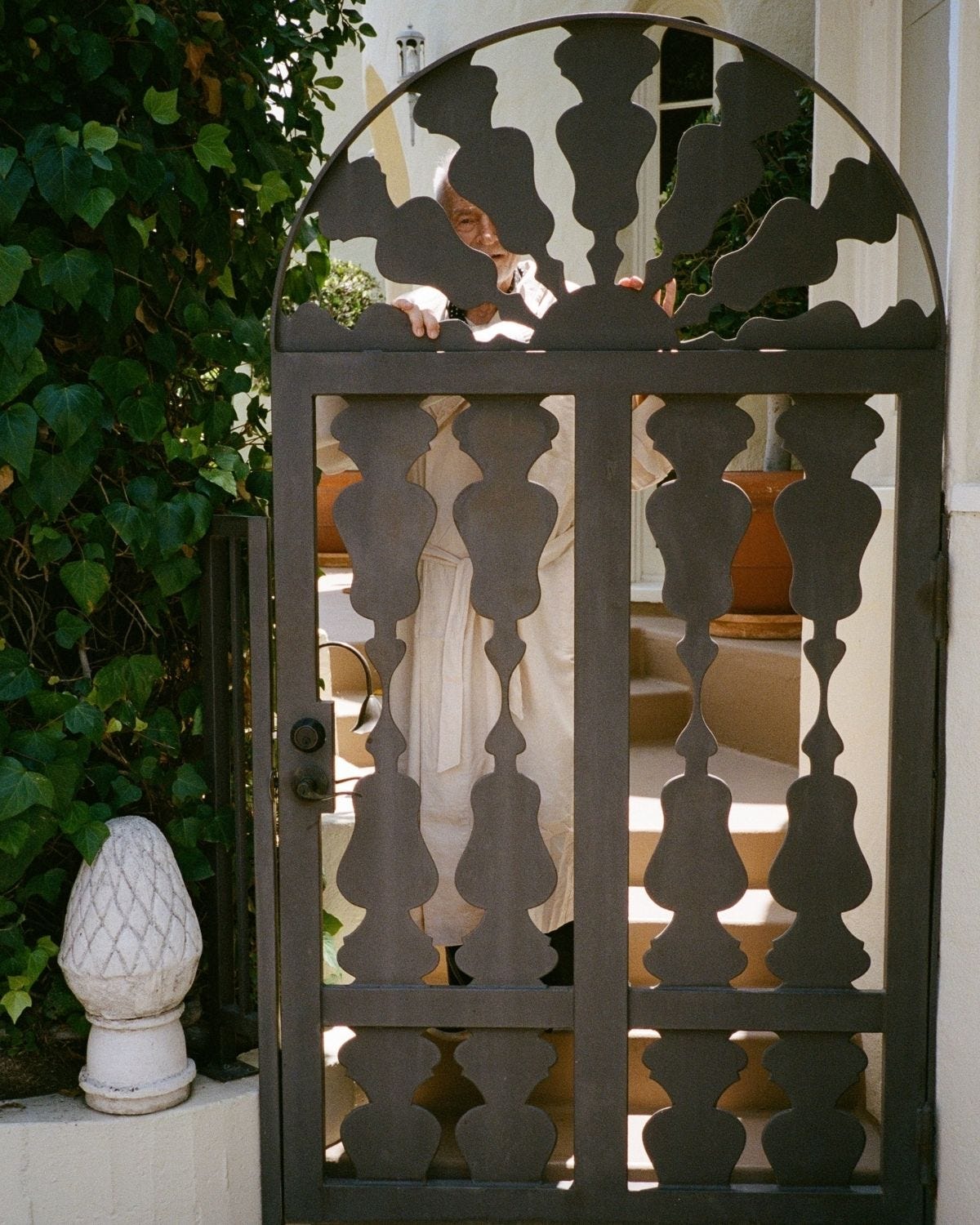
Bradford has lived in his Hollywood Hills home since 1969. He says the house was originally built for Greta Garbo. He bought it from a landlord who needed to sell, taking over the mortgage without a down payment. In the decades since, it has held dancers, songwriters, strangers sleeping on couches, gowns sent over by Halston, a Michael Jackson advertising shoot, paintings, parties, friends, housemates, loss, and an enormous amount of joy.
The house is architecturally extraordinary. The original tile, theatrical arches, strange staircases, and views across the hills would be enough to make it significant. But they are not what made the time spent with Bradford unforgettable.
The house has become a second autobiography. Every room contains a story; every object activates another memory. He cannot be separated from the house, and the house cannot be fully understood without him.
The Rome Compound revealed another version of the same idea. It was on the market when I covered it, but it never felt like a neutral real-estate product. Kathryn McCullough could explain why every decision had been made: why four residences should function independently but still feel like one home, why the courtyard needed to act as connective tissue, why the original ceiling was kept, why broken concrete was reused across the landscape, why native plantings belonged there.
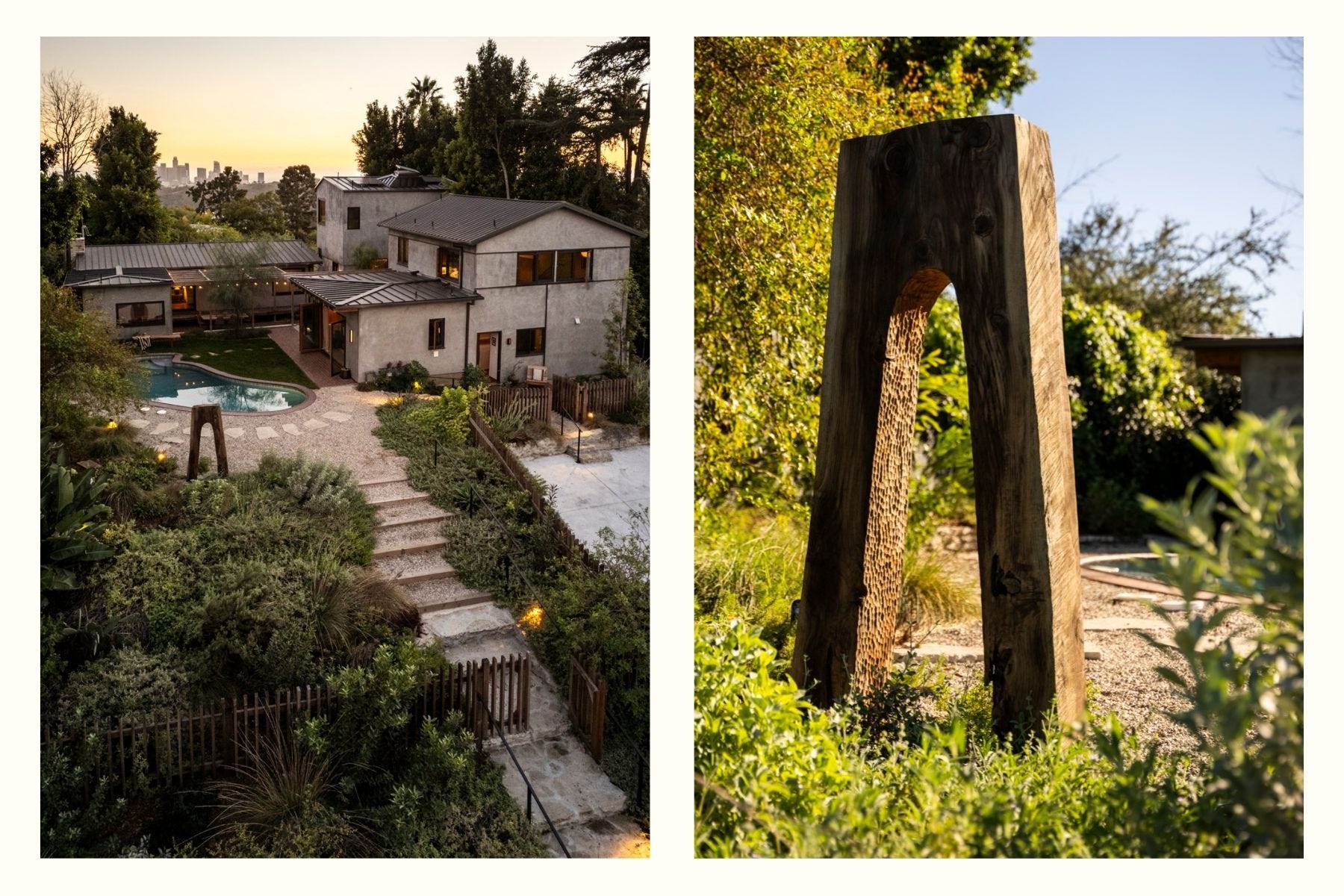
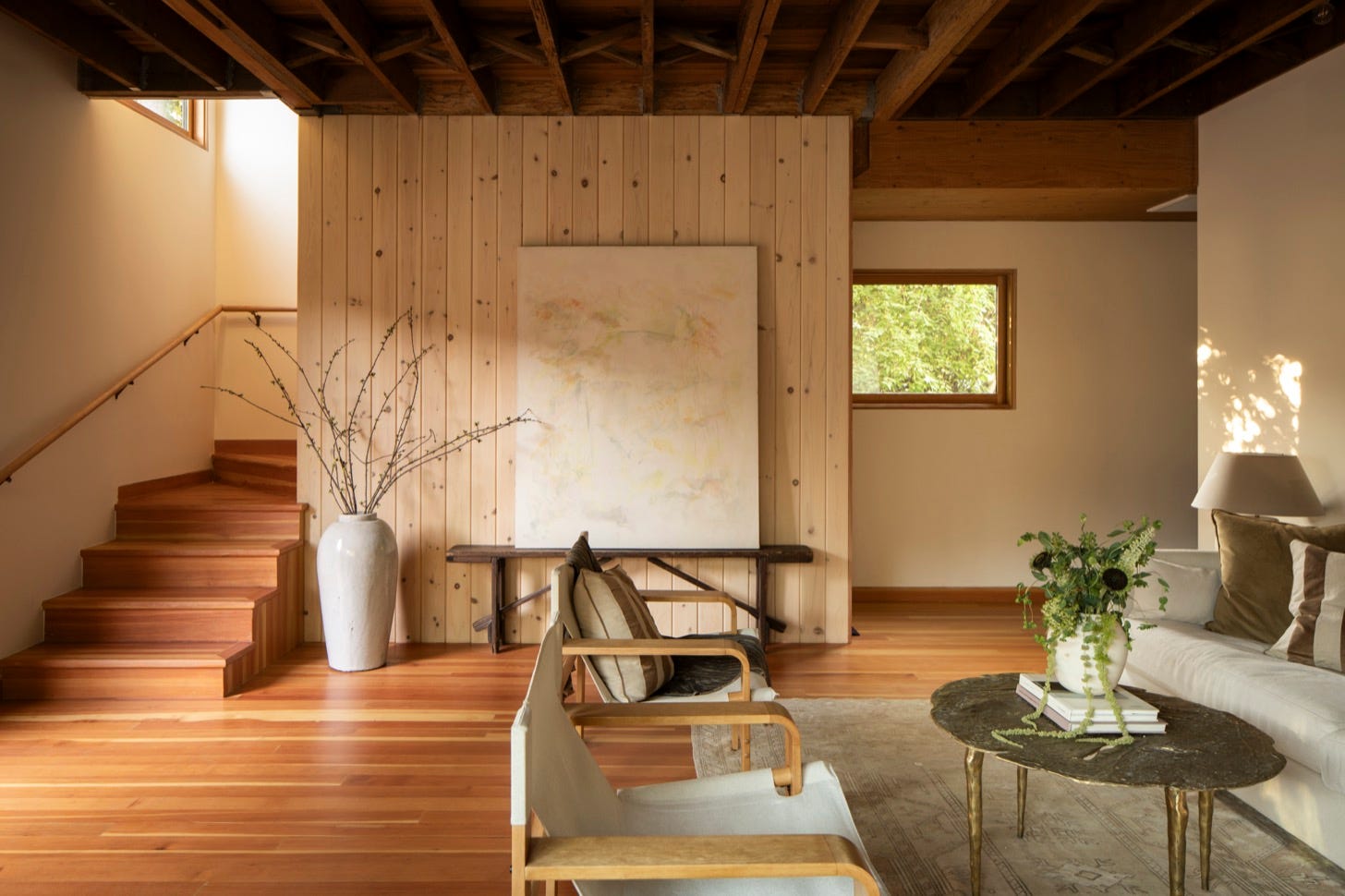
The history in that case was more recent. It was the history of making — the choices, restraints, collaborators, and convictions that gave the property its character.
That knowledge made its value more legible, not less.
I have encountered the same idea in quieter, more personal forms.
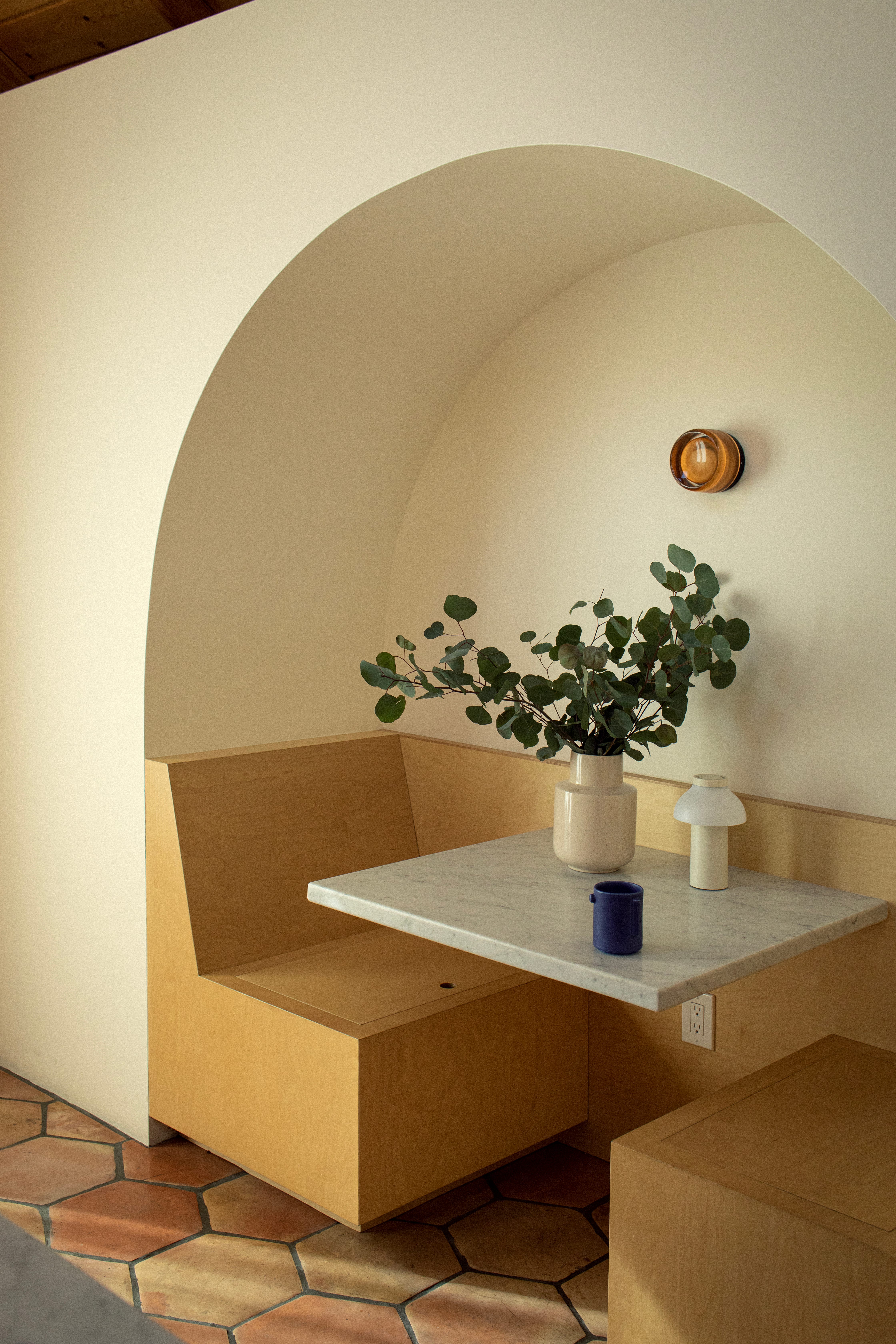
Alfie Koetter’s Highland Park home is a 1926 house he and his wife, filmmaker Cristina Costantini, chose precisely because it had not been flipped into anonymity. He reorganized its awkward plan around how they actually live and entertain, using a new archway motif to bind the rooms together. It is not a period piece or a blank slate, but an old house made more specific to the people inside it.
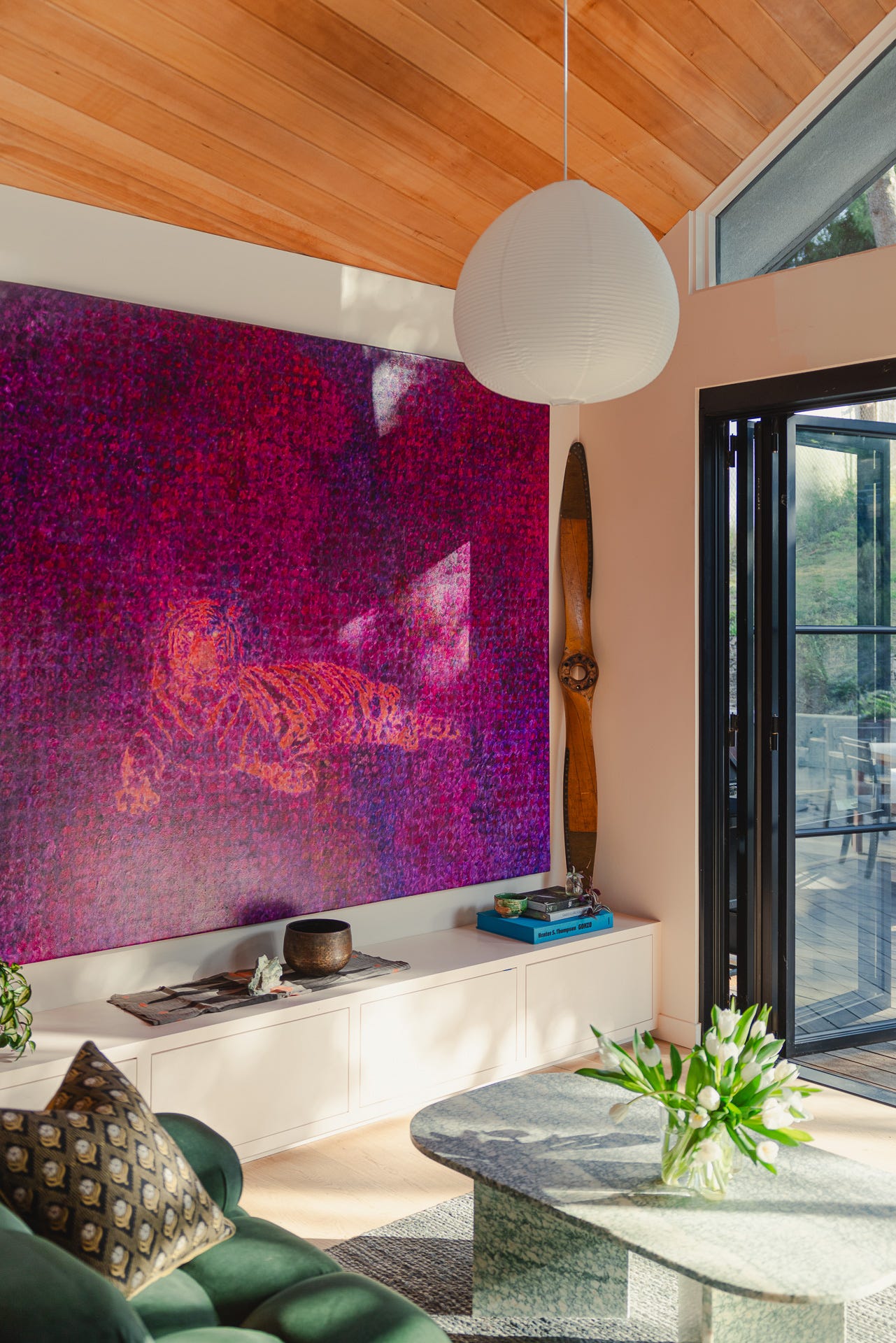
Andrei Pogany’s hillside home is architecture built around family movement. He opened a closed-off 1950s house, expanded it as the family grew, and designed the plan so the children and adults occupy their own sides but meet in the middle. Clerestories track California light; folding doors open the living room to the garden. The house records the rituals and relationships it was made to hold.
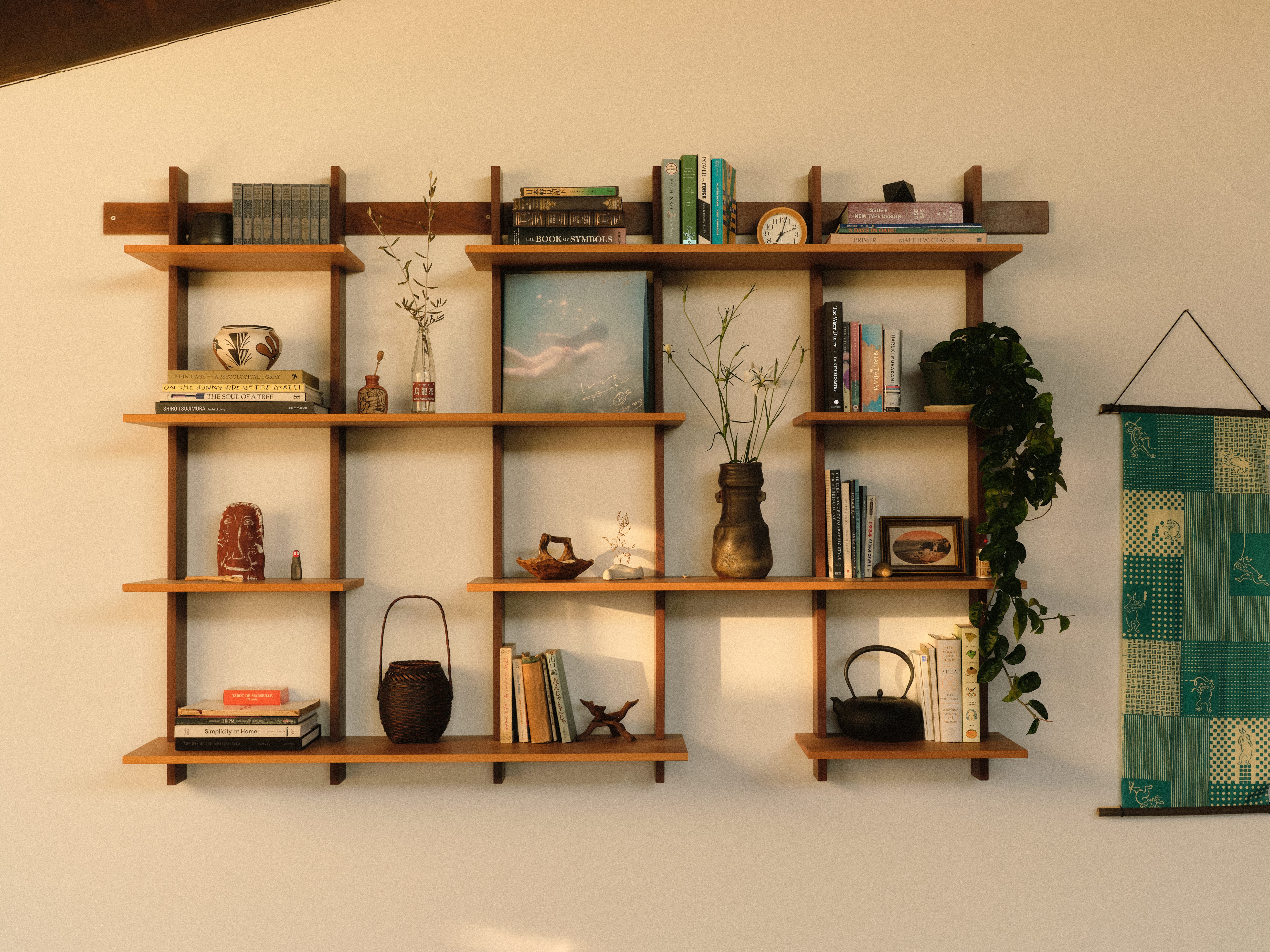
Ellie Benov has shaped her home through slow accumulation: vintage objects from France and Japan, the two cultures that form her history and her brand Marseille Blue, alongside heirlooms, books, and travel keepsakes. Her hanging bookshelf functions almost like a family altar, with ceramics by her late uncle beside books on symbols, Zen, tarot, and mycology. The room is highly curated, but never anonymous; every object makes its inhabitant more legible.
Real estate is very good at documenting what can be measured. It is less practiced at carrying forward what can only be remembered.
What if the history of a home traveled with it?
Not only the architect and year built, although those matter. I mean an oral history from the people who actually lived there:
What almost got removed but was ultimately kept? Which plants were grown from cuttings, and where did they come from? What does the light do over the course of the day?
What rituals formed here? What was changed, and why? What happened in this house that the photographs cannot show? What did living here teach you? What do you hope the next person understands?
These answers would not obligate the next owner to preserve someone else’s life. A house has to continue changing in order to remain alive. New people should be able to paint the walls, move the furniture, adapt rooms, raise children, host friends, plant different things, and become part of its history.
But change made with knowledge is different from change made in a vacuum.
History can reveal why a house works. It can explain an odd repair, a mature landscape, a material choice, or a room whose purpose is not immediately obvious. It can help distinguish something worn out from something that has simply acquired a patina. It can tell us what has endured — and perhaps deserves to endure a little longer.
This is not nostalgia for its own sake. Preservation cannot mean freezing every building at a single moment in time. The places that last are often the ones allowed to adapt: a cabin that becomes a family home, a department store that becomes a school, a factory that becomes a new kind of village, four separate residences that can also become a shared compound.
The goal is not to prevent the next chapter. It is to keep us from mistaking erasure for improvement.
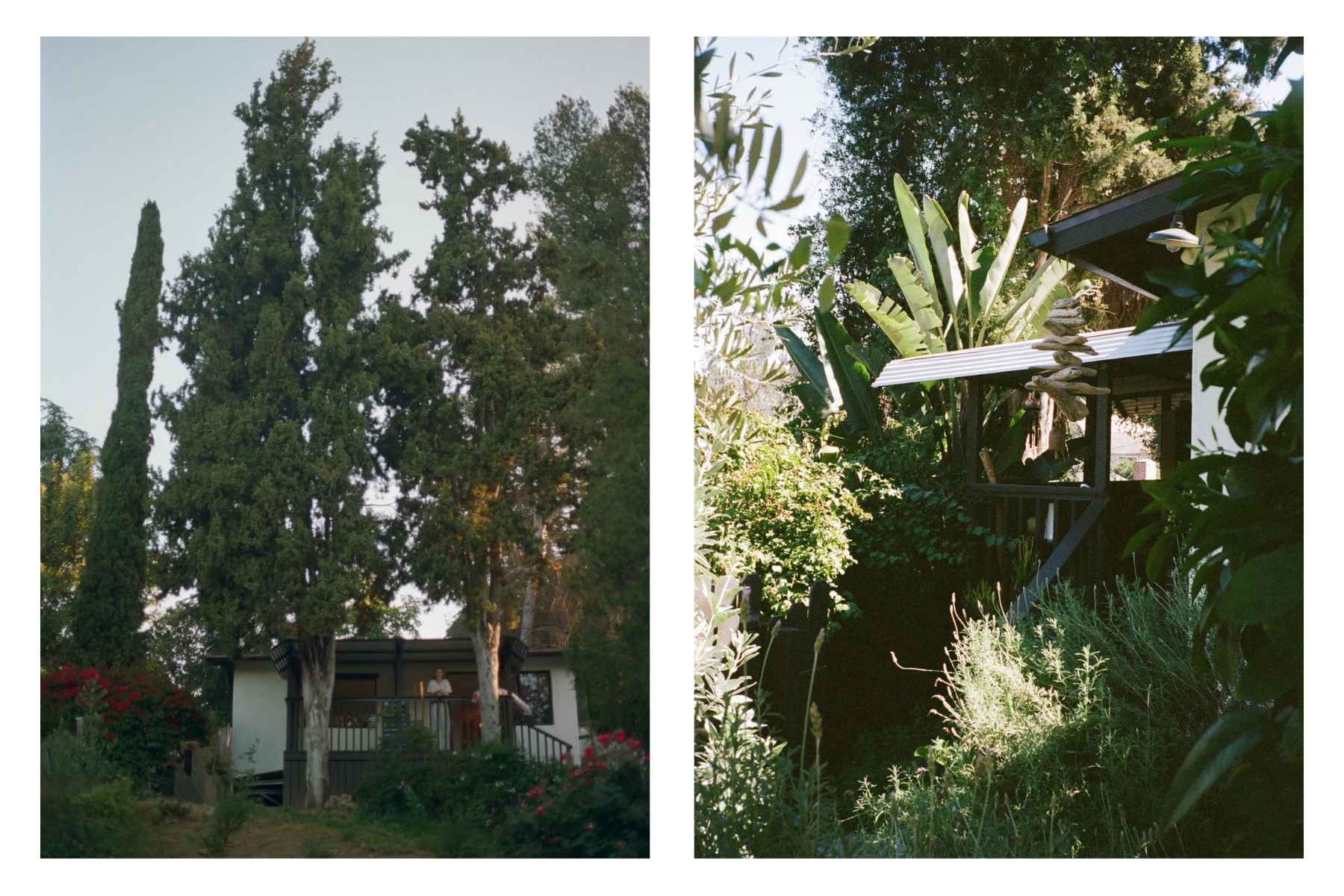
I want Sanctuaries LA to begin making room for these records — particularly when meaningful Los Angeles homes are preparing to change hands. To speak with the people who know where the house creaks, where the afternoon light lands, what has been repaired three times, what they will miss, and what they hope remains.
A listing can tell us what a property contains. I want to understand what it has held.
We do not begin the stories of most homes, and we rarely finish them. We occupy a chapter. We make choices that someone else will eventually inherit. If we are fortunate, we leave the place more useful, more beautiful, and more itself than we found it.
The next owner does not arrive at an empty shell. They arrive in the middle of a life much longer than their own.
And then, for a while, they become its caretaker.
What do you wish you knew about the people who lived in your home before you? Reply and tell me.
If you know of a Los Angeles home with a history worth recording, especially one preparing to change hands, I would love to hear about it.